

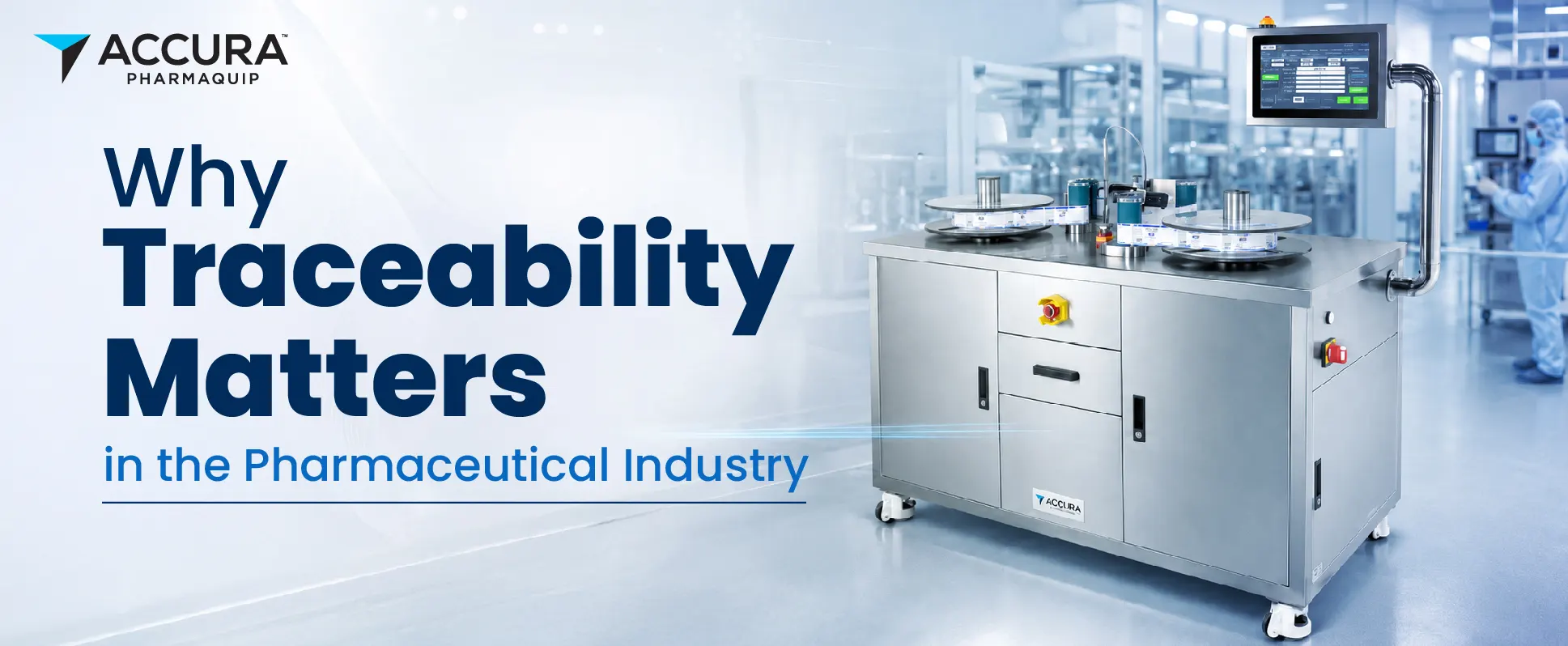
It’s not anymore perceived as merely a regulatory obligation; traceability is today a capability that assists in streamlining operations, ensuring product quality, achieving compliance, and creating confidence within the whole supply chain. The complexity of manufacturing processes makes the use of paper-based records or disconnected systems a risk-prone and inefficient option.
Thanks to digital manufacturing solutions, pharmaceutical companies can enjoy complete visibility of their products from start to finish and can record the information about their manufacture in real-time.
At Accura Pharmaquip, we understand the growing need for smarter, technology-driven manufacturing. By supporting pharmaceutical manufacturers with digital solutions that improve production visibility and compliance, we help organizations move toward more transparent, efficient, and future-ready operations.
Pharmaceutical traceability refers to the ability to monitor and document every stage of a product’s journey-from the procurement of raw materials to the moment the finished medicine reaches the customer. It creates a complete digital history of every product, ensuring manufacturers always know where materials originated, how they were processed, and where the final product has been distributed.
An effective traceability system captures information such as:
This complete visibility enables manufacturers to quickly retrieve information whenever needed, whether for quality investigations, regulatory inspections, or product recalls.
Another aspect that needs to be differentiated among the three terms that are closely interrelated is the following:
The above-mentioned capabilities provide an effective system of safer pharmaceutical manufacturing.
Accuracy of data is a key aspect in modern pharmaceutical production processes. Having everything documented and linked electronically allows for more precise control of the quality of products and operations in general. In addition to meeting regulatory requirements, traceability offers practical benefits for the business.
Patient safety remains at the forefront of concerns during the process of producing pharmaceuticals. The concept of traceability will ensure that all drugs are traced back to their origin, making it easy to find out where quality problems emanate from.
In case there is any problem like contamination or a deviation, the manufacturers can easily establish the exact batches that have been affected. The process reduces risks and instills trust in the products among health care providers and other people.
Pharmaceutical companies work under stringent regulations that require accurate documentation.
The use of digital traceability ensures GMP documentation, EBR, audit readiness, and data integrity, ensuring accurate production records with timestamps. Rather than having to search through paper records, the company can access comprehensive production history at the time of inspection, thereby meeting growing global regulatory requirements.
Traceability allows for complete transparency in all steps of manufacturing, thereby making it possible for organizations to have process consistency and quality monitoring.
With the help of connecting data to the batch genealogy, the manufacturer will be able to understand how each batch is being manufactured and even make improvements based on trends.
While no manufacturer wishes to have any recalls at all, the ability to react to them rapidly is just as vital.
A good traceability system will allow the batches that have problems to be detected right away. Consequently, manufacturers will be able to recall only those items that are affected rather than recalling other production runs.
Traceability goes beyond the manufacturing shop floor to the wider pharmaceutical supply chain.
Visibility is achieved concerning the sourcing of raw materials, the performance of suppliers, the stock levels in the warehouse, and product distribution. This ensures that the suppliers are accountable and enhances inventory management.
The identification of process deviations is made possible by the availability of correct history data.
Through traceability, manufacturers are able to review the complaints, investigate the deviation, solve the CAPAs, and even find the root cause for recurrent problems without assuming anything, but through actual data analysis of the entire production process.
Companies that keep using manual methods of documentation face certain inefficiencies in their operations which may affect both compliance and productivity.
Problems that occur frequently are as follows:
Such problems not only add up to company expenses but may negatively influence the quality of products as well.
Technologies in digital manufacturing have revolutionized traceability practices in the pharmaceutical industry.
MES allows for real-time monitoring of production operations while simultaneously generating vital manufacturing data. EBR allows for the automation of record keeping without any use of manual paperwork, thus improving the documentation process and eliminating any possible gaps in documentation.
The use of barcodes and RFID technology allows for accurate identification and tracking of materials during manufacturing and distribution processes.
Incorporation with ERP systems enables the flow of information in a seamless manner within the production, inventory, procurement, and quality departments. With the help of cloud computing reports and dashboard analytics, the manufacturers will have a complete visibility about their operations, thus making decision-making much easier.
These technologies enable connectivity in the manufacturing process wherein traceability will become a part of the regular operations process.
Implementation of digital traceability system will have following benefits in manufacturing:
All of these benefits contribute to making pharma manufacturers better and more competitive.
In view of the changing dynamics of pharmaceutical manufacturing, it becomes imperative to have technology partners who have the capacity to understand both the manufacturing and the digital aspects.
Accura Pharmaquip is a provider of services to the manufacturing firms in order to help them implement digital technologies in the production processes in an effort to achieve enhanced visibility and better transparency in manufacturing operations.
In whichever case, be it implementing digital production technologies or enhancing visibility in manufacturing and efficiency in quality-oriented operations, Accura Pharmaquip collaborates with manufacturers to enhance their manufacturing processes.
If you’re looking to strengthen traceability and improve manufacturing performance, explore Accura Pharmaquip’s digital manufacturing solutions or connect with our team to discuss your operational goals.
It is now considered one of the most important pillars for any pharmaceutical manufacturer. Traceability does not only ensure regulatory compliance but helps in ensuring product quality and safety, operational efficiencies, and visibility throughout the manufacturing process.
The use of digital traceability tools in pharmaceutical manufacturing makes the organization capable of responding quickly to quality issues, facilitates the regulatory inspection process, and reduces paperwork and documentation issues. With increased manufacturing becoming a data-driven process, companies that invest in traceability systems are well-prepared for future regulatory demands.
At Accura Pharmaquip, we believe that digital manufacturing should empower organizations to achieve greater transparency, efficiency, and operational confidence. By supporting pharmaceutical manufacturers with technology-driven solutions, we help build smarter manufacturing environments that are ready for the evolving demands of the pharmaceutical industry.
High quality has always been the core essence of pharmace...
Read More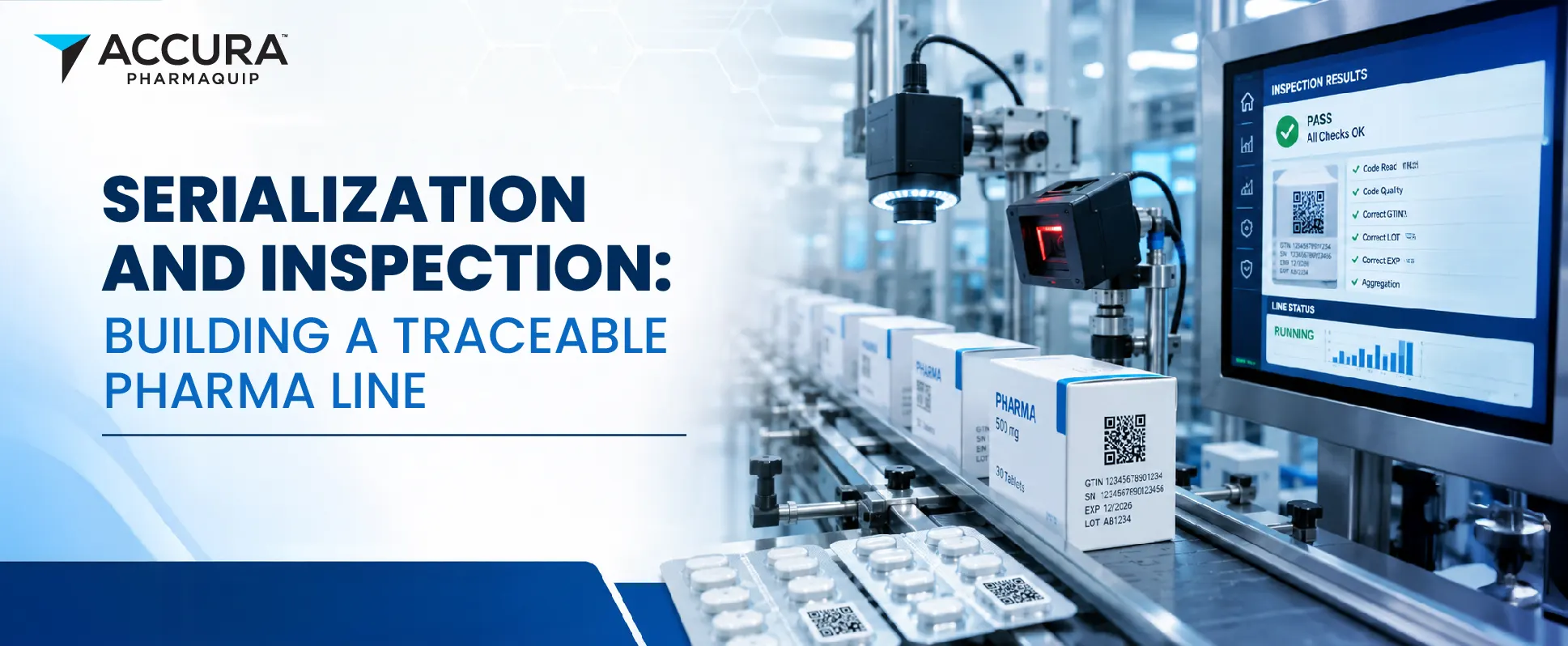
How Accura Pharmaquip’s advanced inspection techno...
Read More
Pharmaceutical companies are now choosing to selec...
Read More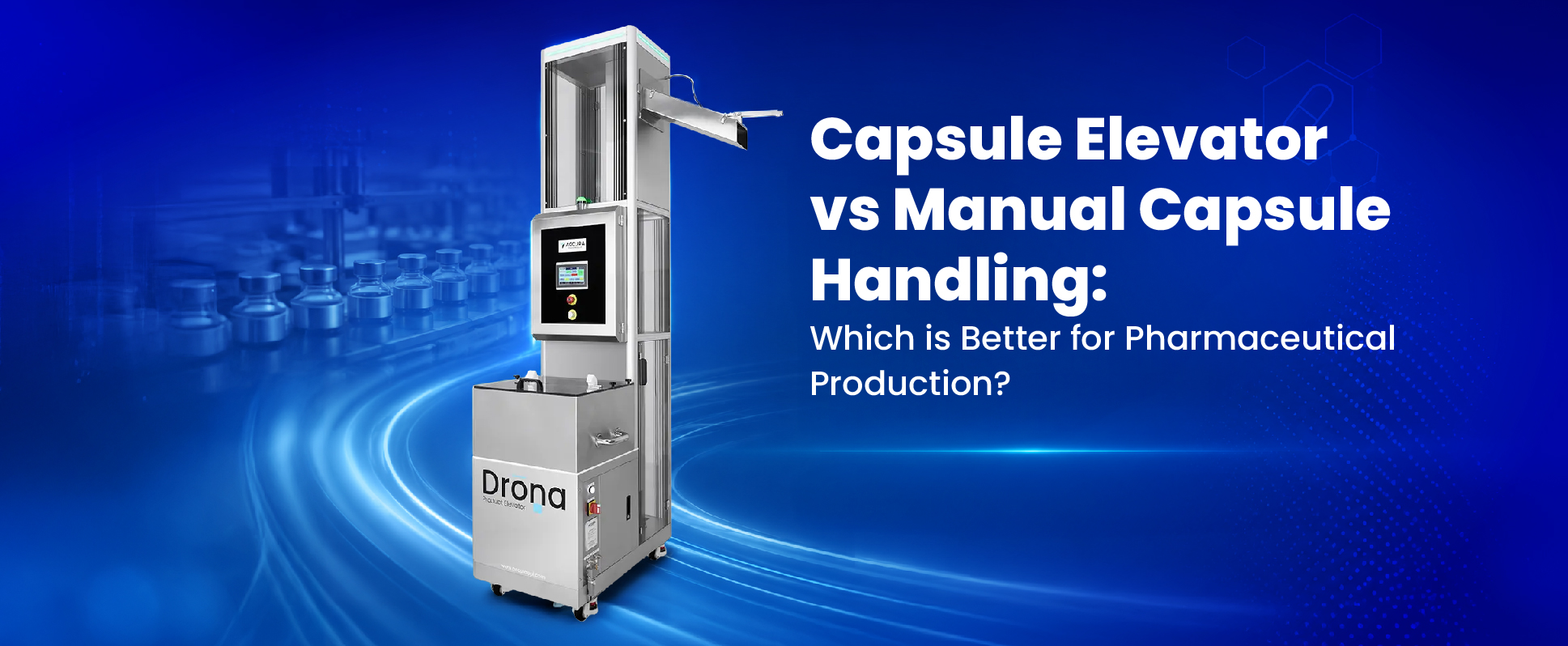
In addition to improving efficiency, reducing cost...
Read More
High quality has always been the core essence of pharmaceutical manufacturing from the design and...
Read More
How Accura Pharmaquip’s advanced inspection technologies can help you implement serializat...
Read More
Pharmaceutical companies are now choosing to select capsules as an alternative to simply p...
Read More
In addition to improving efficiency, reducing costs, and improving productivity, efficient...
Read More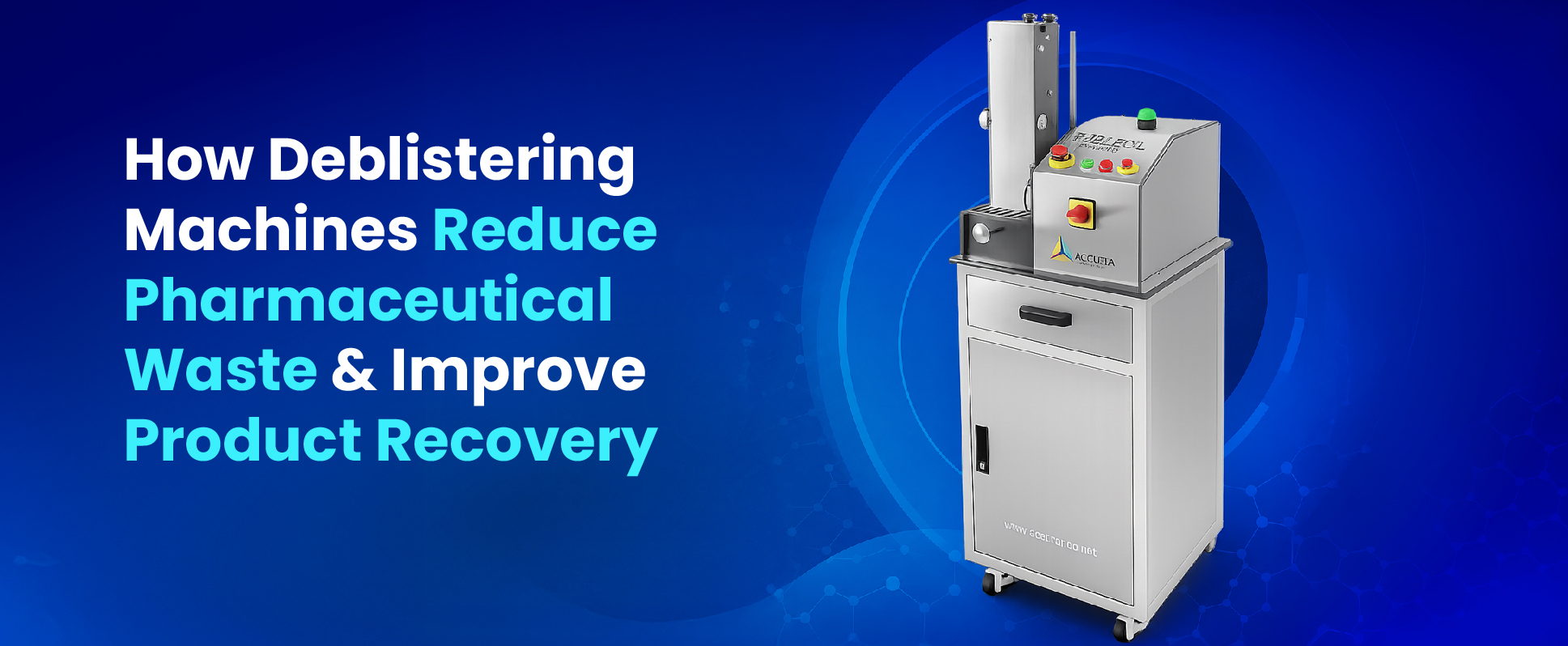
Modern Pharmaceutical manufacturing needs to be precise, compliant and economical. Minor b...
Read More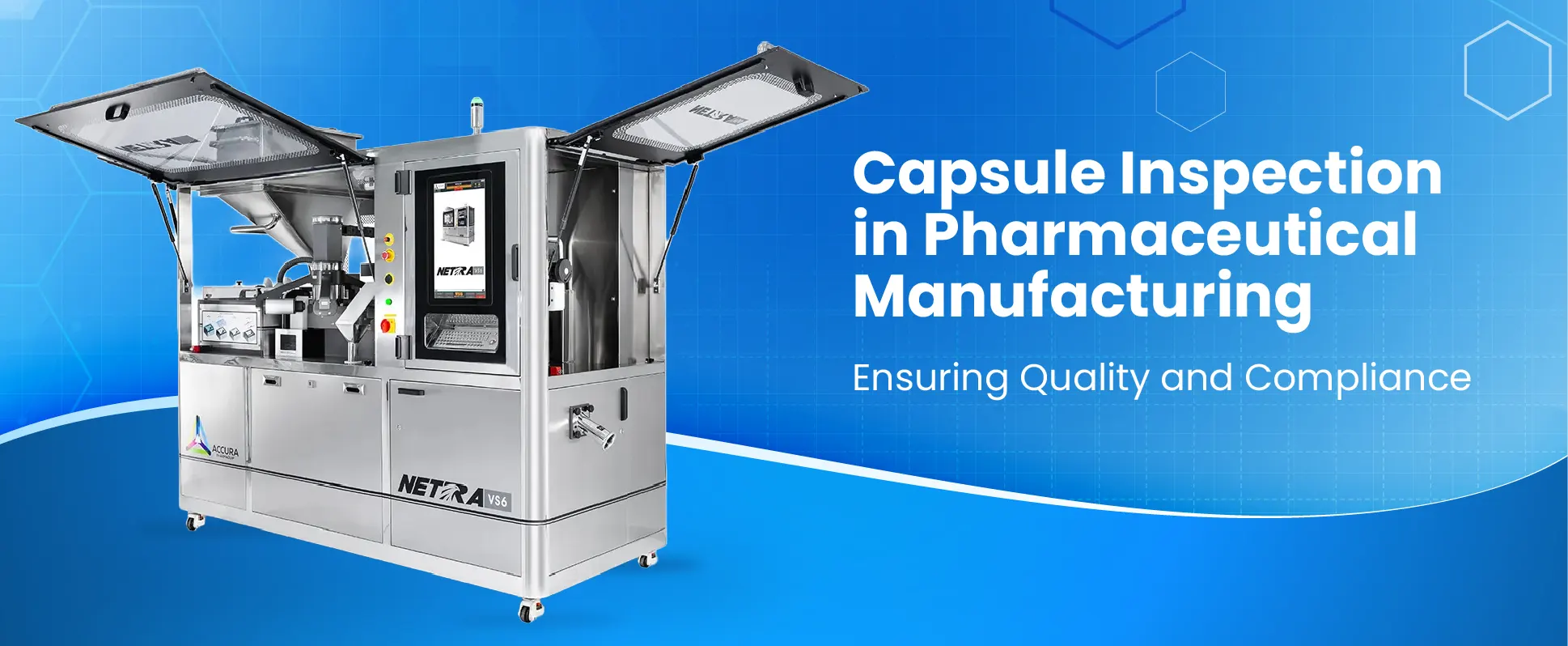
Capsules have been an extremely common dosage form for many years in the pharmaceutical ma...
Read More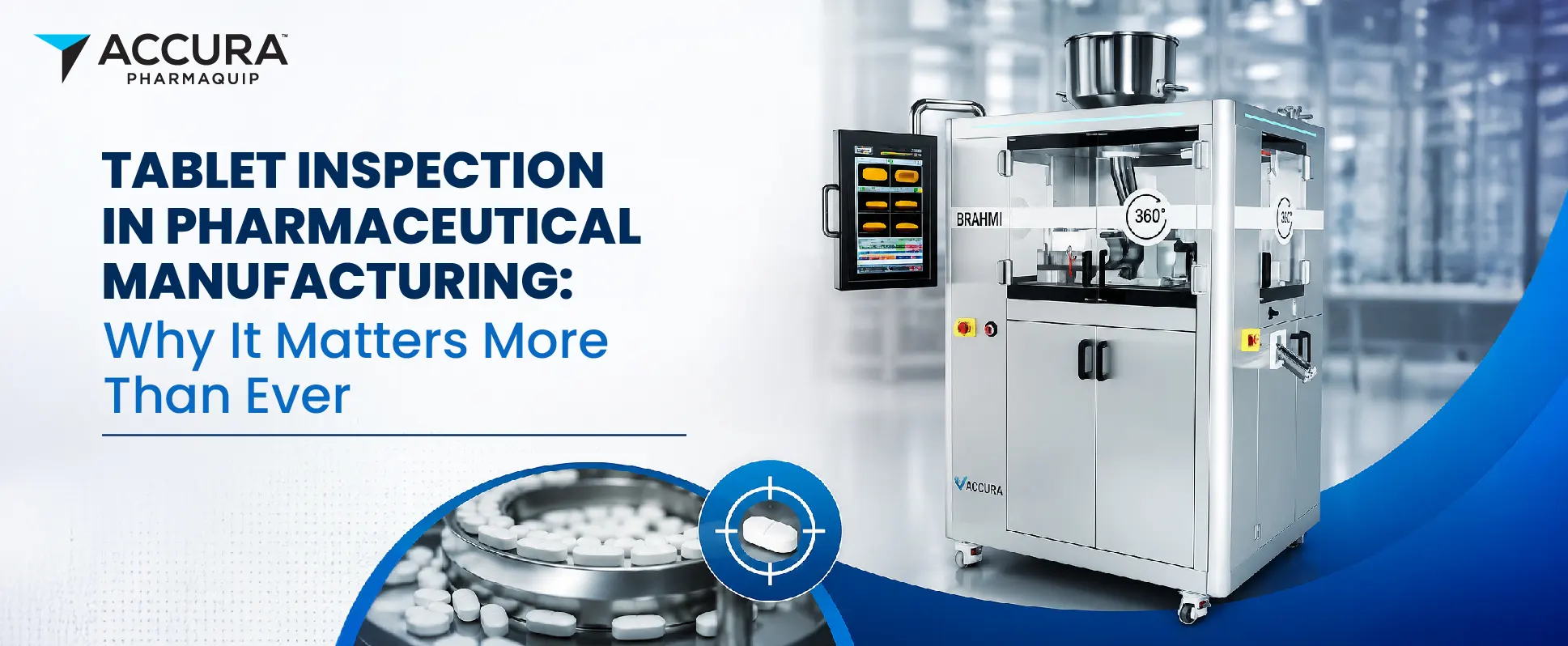
Today’s pharmaceutical manufacturing is far more sophisticated than in years past, d...
Read More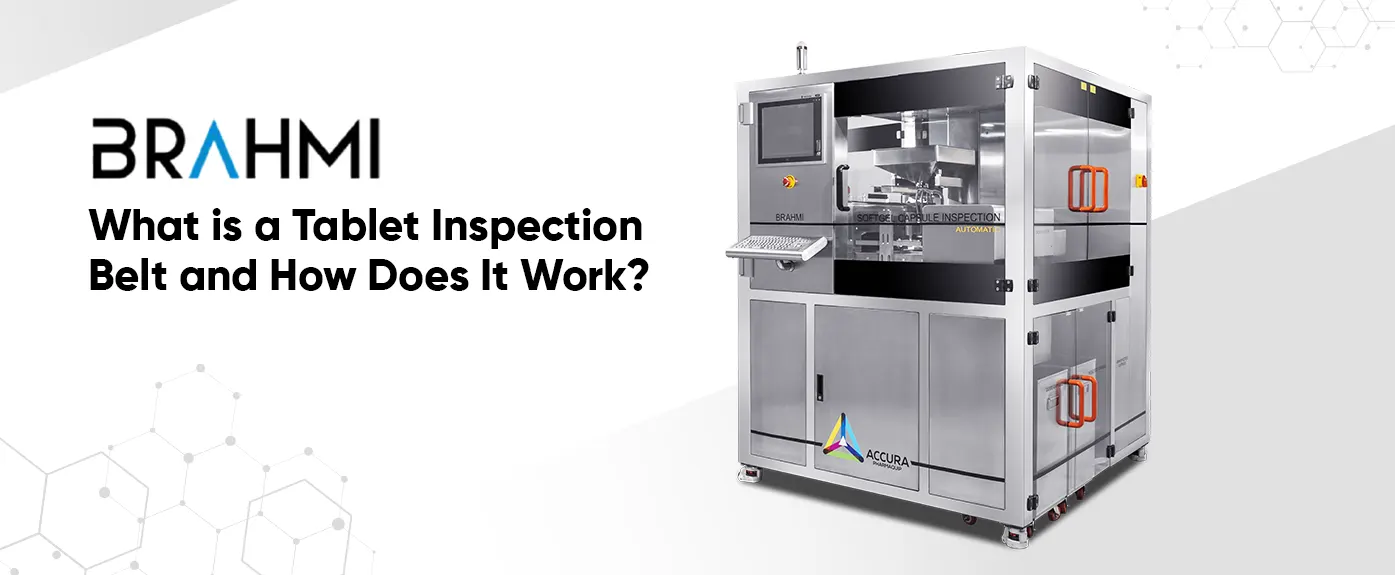
In drug manufacturing, the focus on quality control is paramount. The presence of one defe...
Read More
Packing line conveyor are an excellent solution for eliminating inefficiencies created in ...
Read More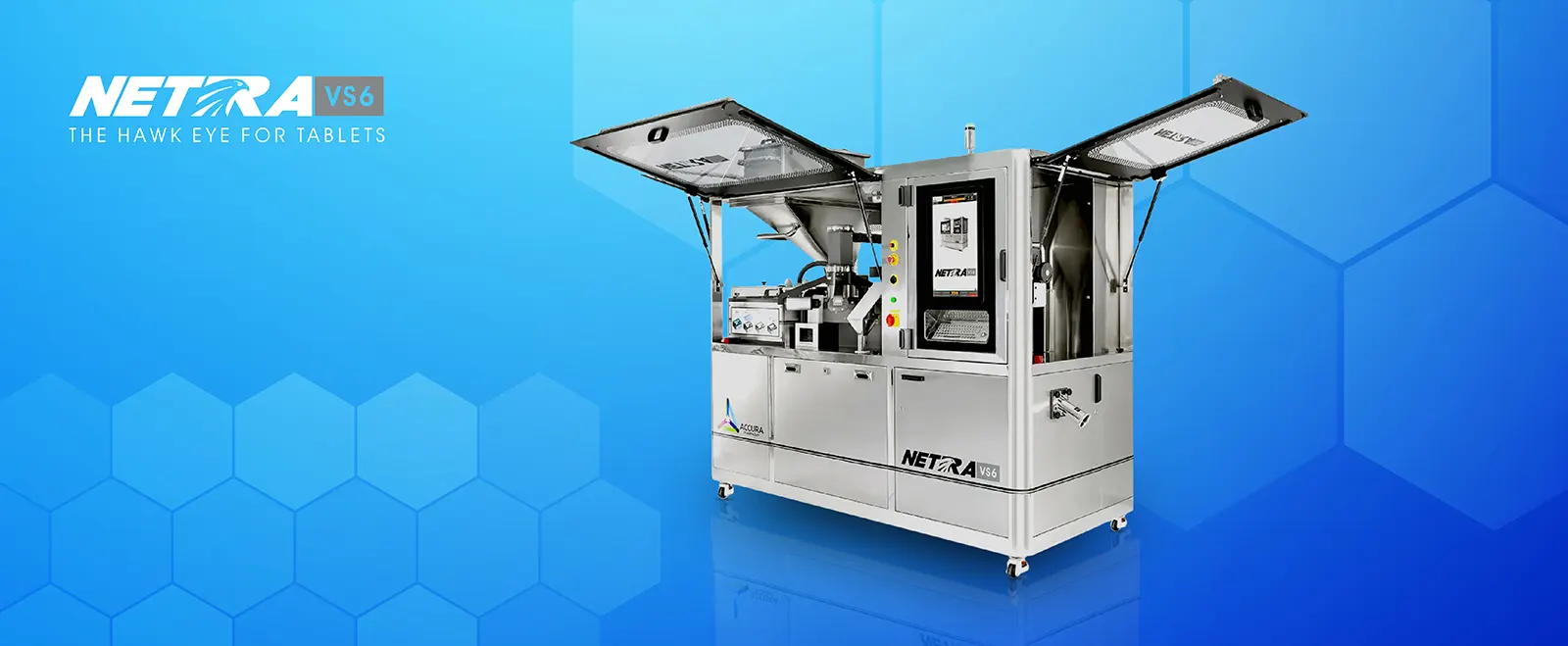
Automatic Inspection Systems are an integral part of today’s Pharmaceutical Manufact...
Read More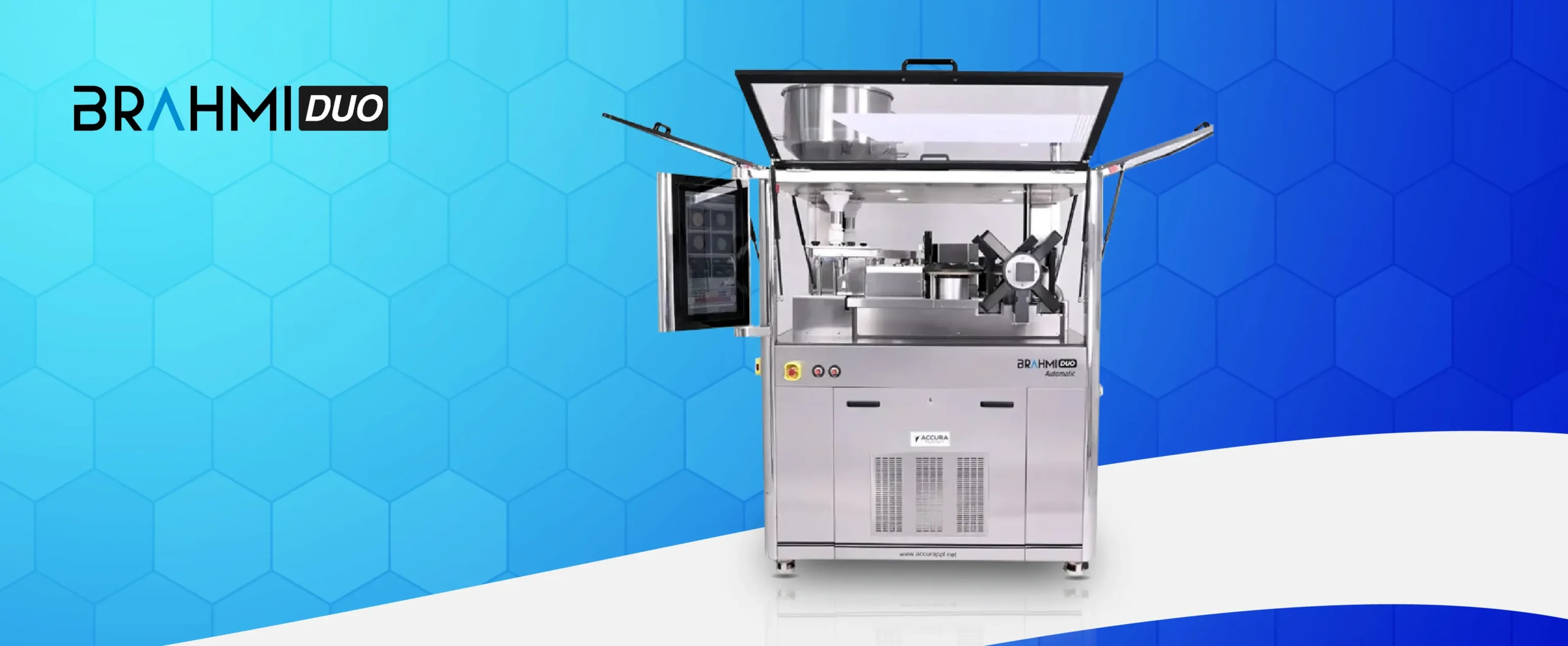
Regulatory compliance is mandatory in Solid Dosage Manufacturing as a means of protecting ...
Read More
Liquid drug products require very high levels of quality and precision. Microscopic contamination...
Read More
Ensuring that all of the drug ampules produced for injection are complete and meet the required q...
Read More
Automated inspection of injectable vials, vaccine vials, biologic vials and many other high value...
Read More
In the glass packaging industry, maintaining high-quality standards is essential. Whether used fo...
Read More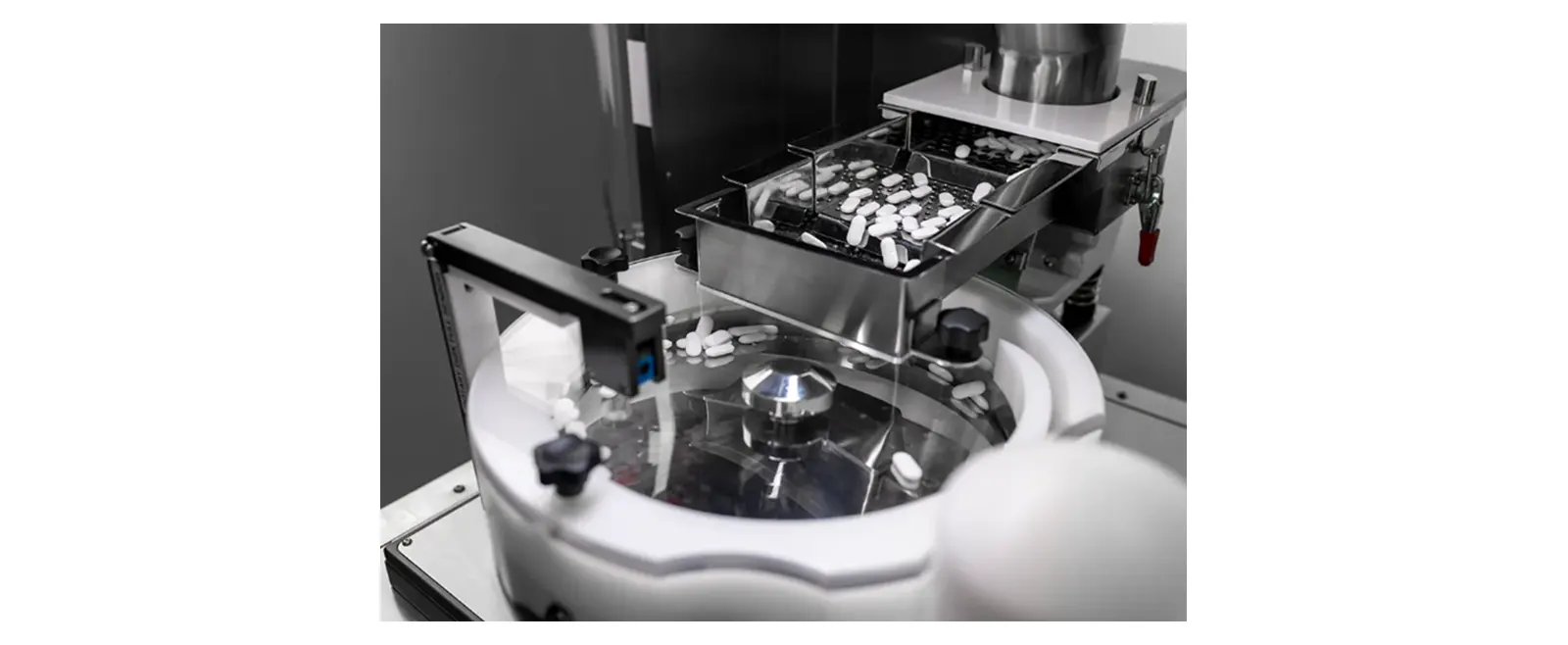
The pharmaceutical industry requires tablets produced at its highest possible quality to protect ...
Read More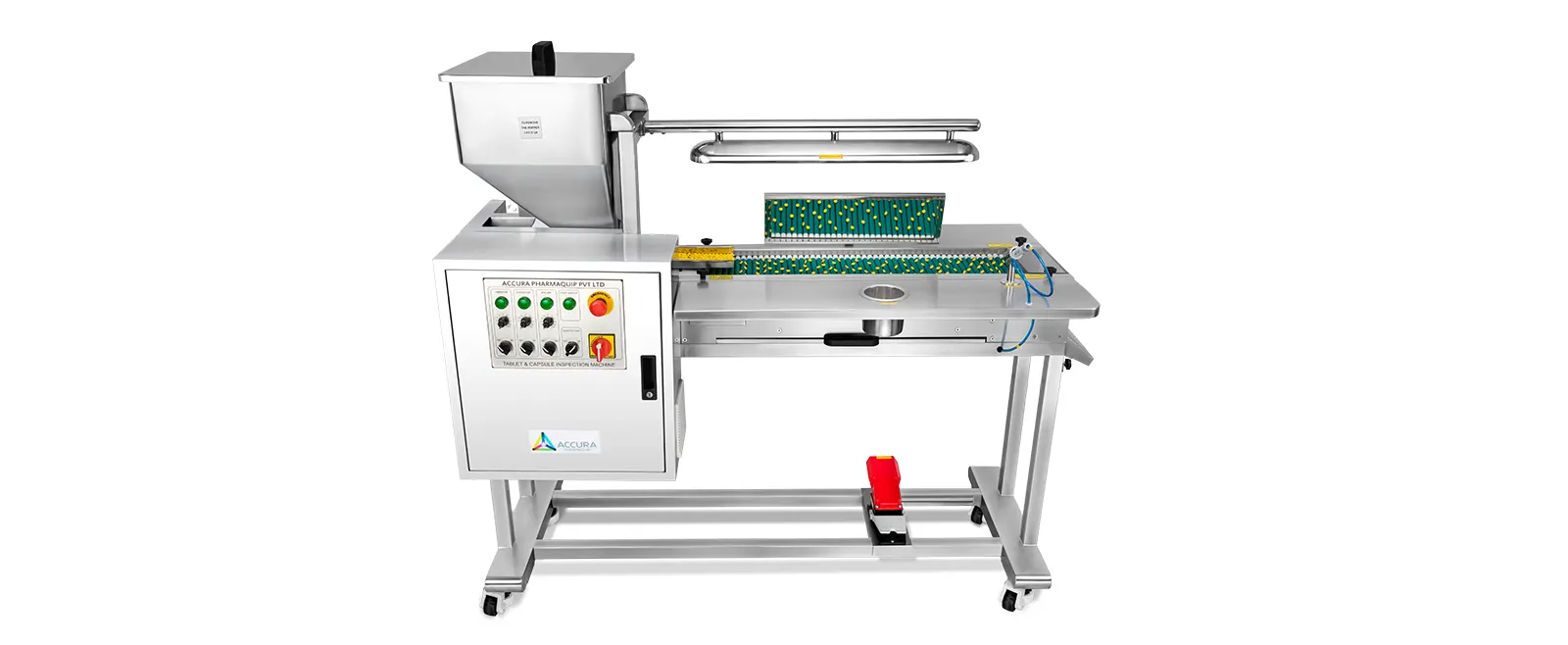
Quality assurance in the pharmaceutical industry is not simply a legal requirement; it is a moral...
Read More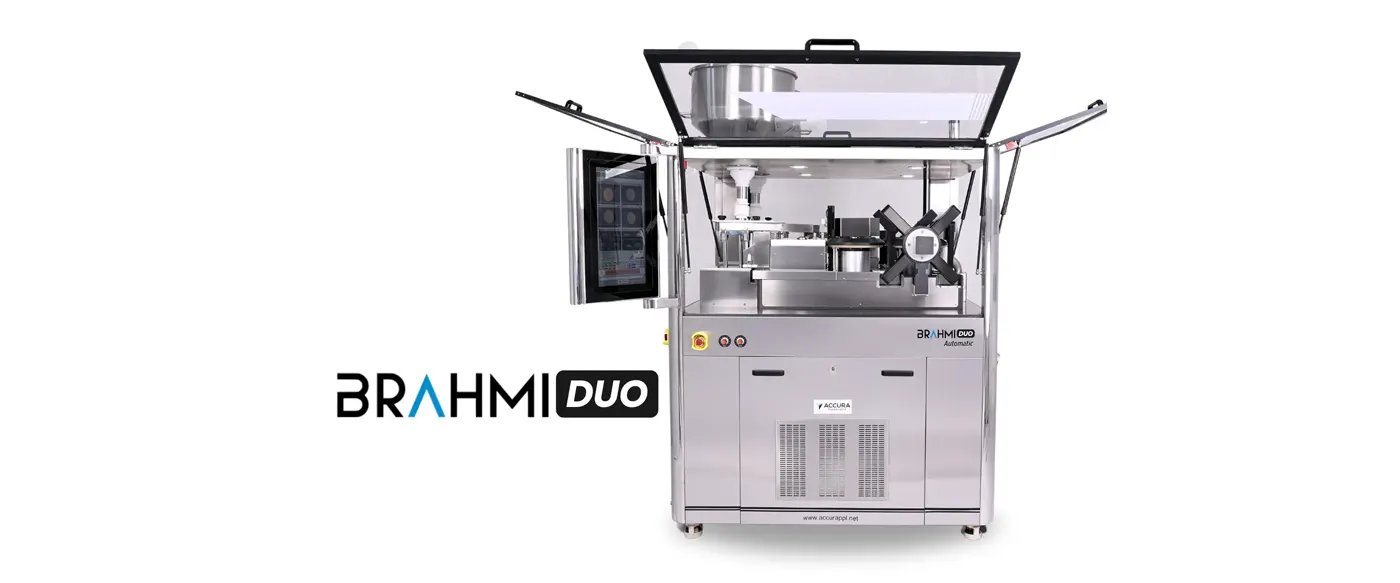
Precision, efficiency and adherence to regulatory requirements are essential in the manufacture o...
Read More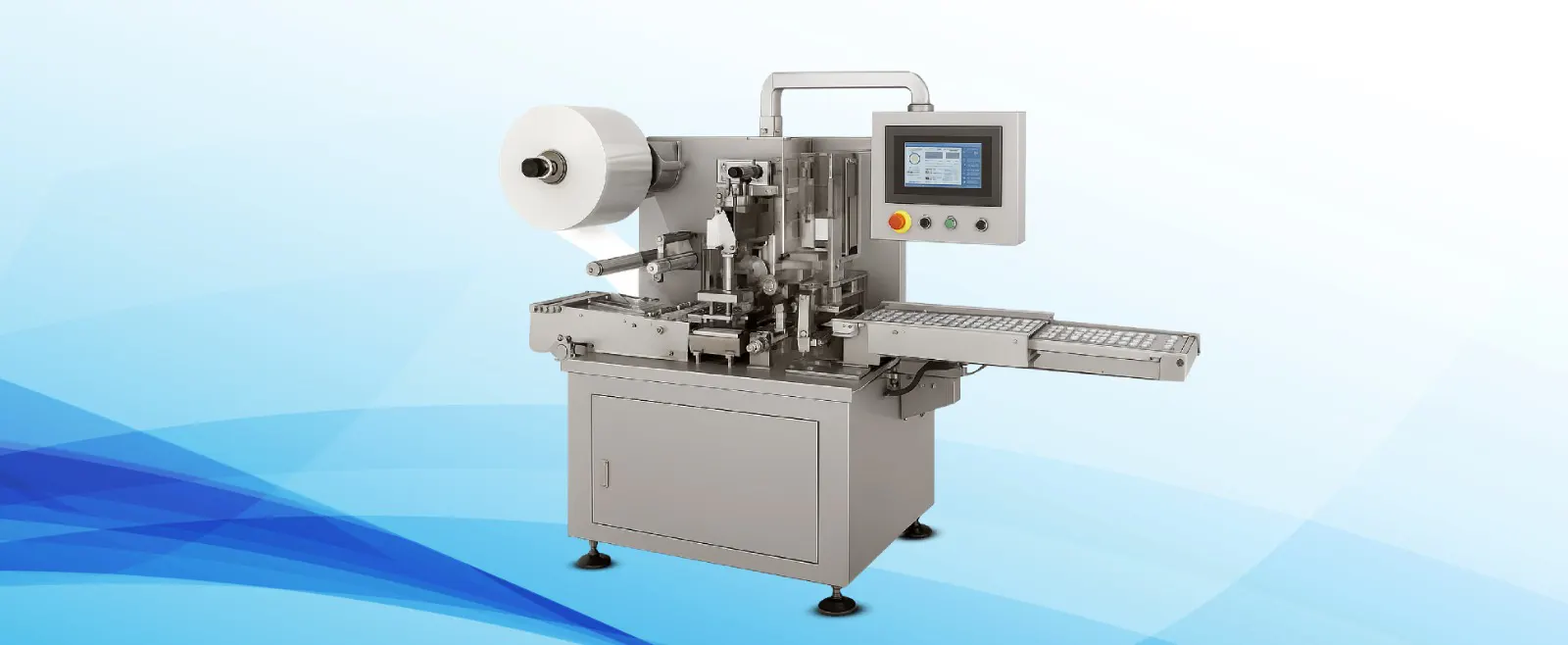
Strip packing is the most preferred and high-volume method of packaging solid oral dose forms, in...
Read More
Pharmaceutical and nutraceutical manufacturers need to accurately count tablets and capsules to g...
Read More
Blister packaging plays a significant function in product safety, correct dosing, and consumer co...
Read More
Within pharma production, accuracy and productivity are not an option. Among the most critical bu...
Read More
Nutraceutical and pharmaceutical production quality assurance is a no-compromise necessity. Ensur...
Read More
Deblistering machines play a vital role in pharmaceutical production by ensuring that tablet and ...
Read More
With the speed of the world accelerating further, efficiency and hygiene are increasingly importa...
Read More
In the pharmaceutical industry, packaging is not just about presentation, it is a critical part o...
Read More
Have you ever wonder why automated inspection is no longer optional and how Automatic Tablet and ...
Read More
Quality control in pharmaceuticals isn’t just a step — it’s the heart of safe medication. Every p...
Read More
Enhancing Pharmaceutical Quality Control with Brahmi: The Best Tablet and Capsule Sorter. Common ...
Read More
In pharmaceutical manufacturing, quality control is essential. The safety of medicines depends on...
Read More
Suppose a scenario. A shipment of pills departs a pharma plant. They don’t know it, but som...
Read More
Accura Pharmaquip continues to lead the charge in pharmaceutical quality inspection technology wi...
Read More
The Revolutionary Brahmi DUO (Automatic Tablet and Capsule Inspection Machine) working principle:...
Read More
Brahmi DUO (Automatic tablet and capsule inspection machine): Revolutionizing Pharmaceutical Qual...
Read More
Protect Your Brand: By Detecting Defective Capsules in Production: In the ever-evolving pharmaceu...
Read More
Drona: The Innovative Product Elevator Transforming the Pharmaceutical Industry. In an era where ...
Read More
Pharmaceutical companies have a crucial responsibility to ensure that their products are of the h...
Read More
Why is quality assurance critical in pharmaceutical production? Why is it so crucial for pharmace...
Read More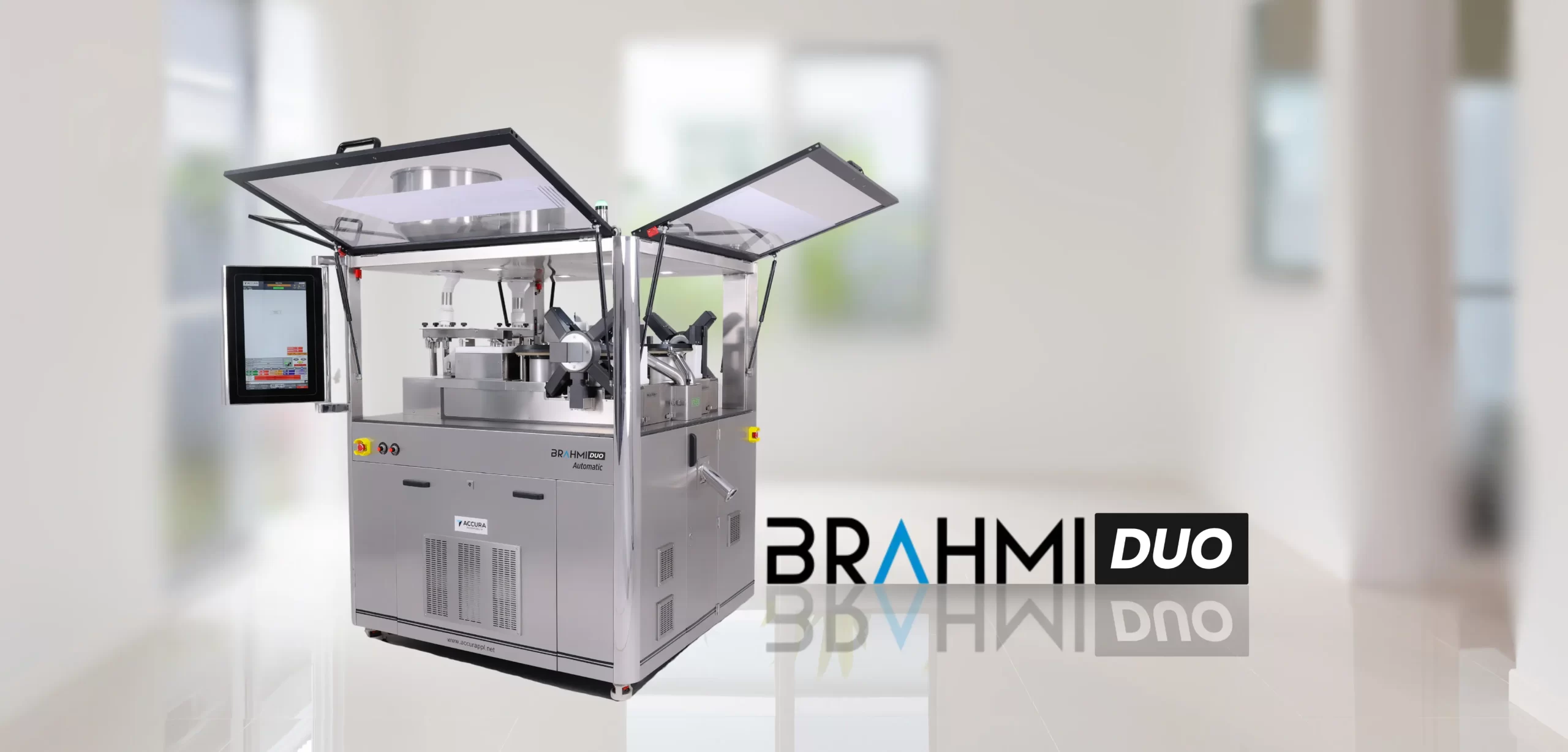
In the fast-paced world of pharmaceutical manufacturing, quality control is paramount. Every tabl...
Read More
In the pharmaceutical industry, the inspection of pills is a crucial step in ensuring the quality...
Read More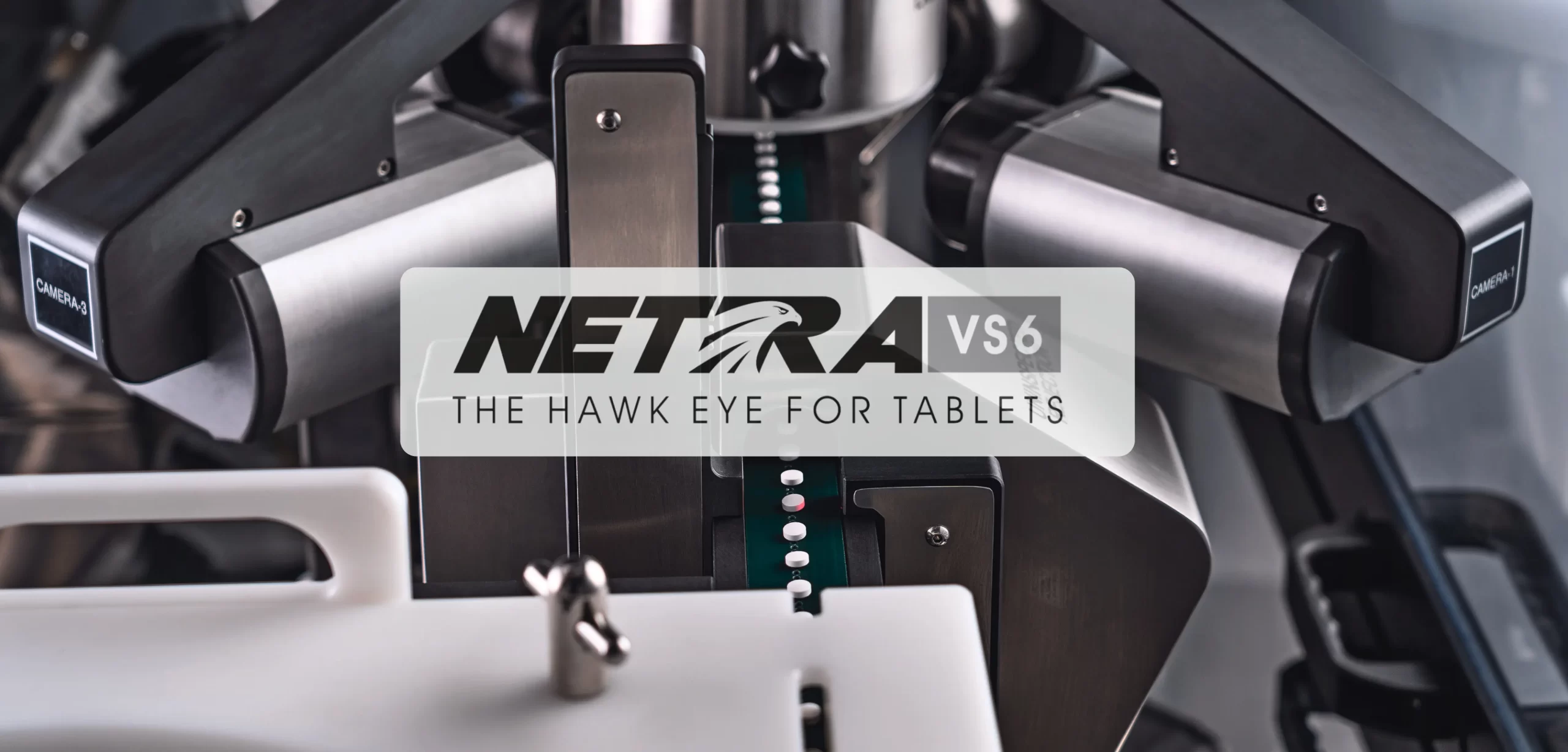
Accura Pharmaquip is a leading provider of advanced vision inspection systems for the pharmaceuti...
Read More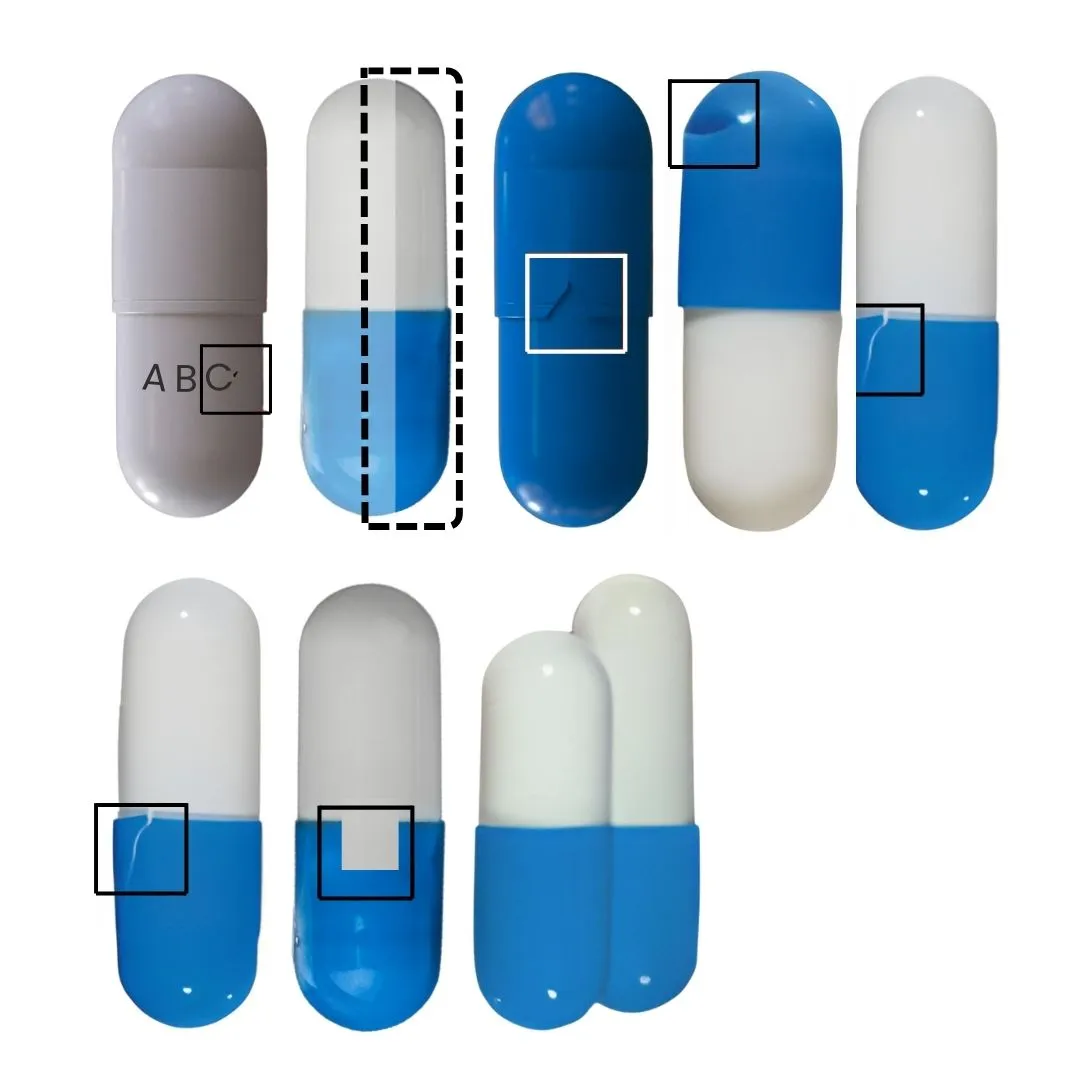
A View on the Most Popular and COMMON HARD GEL CAPSULE DEFECTS and Its Reasons. In the world of p...
Read More
25 compelling reasons to use ACCURA PHARMAQUIP’s automatic tablet and capsule inspection ma...
Read More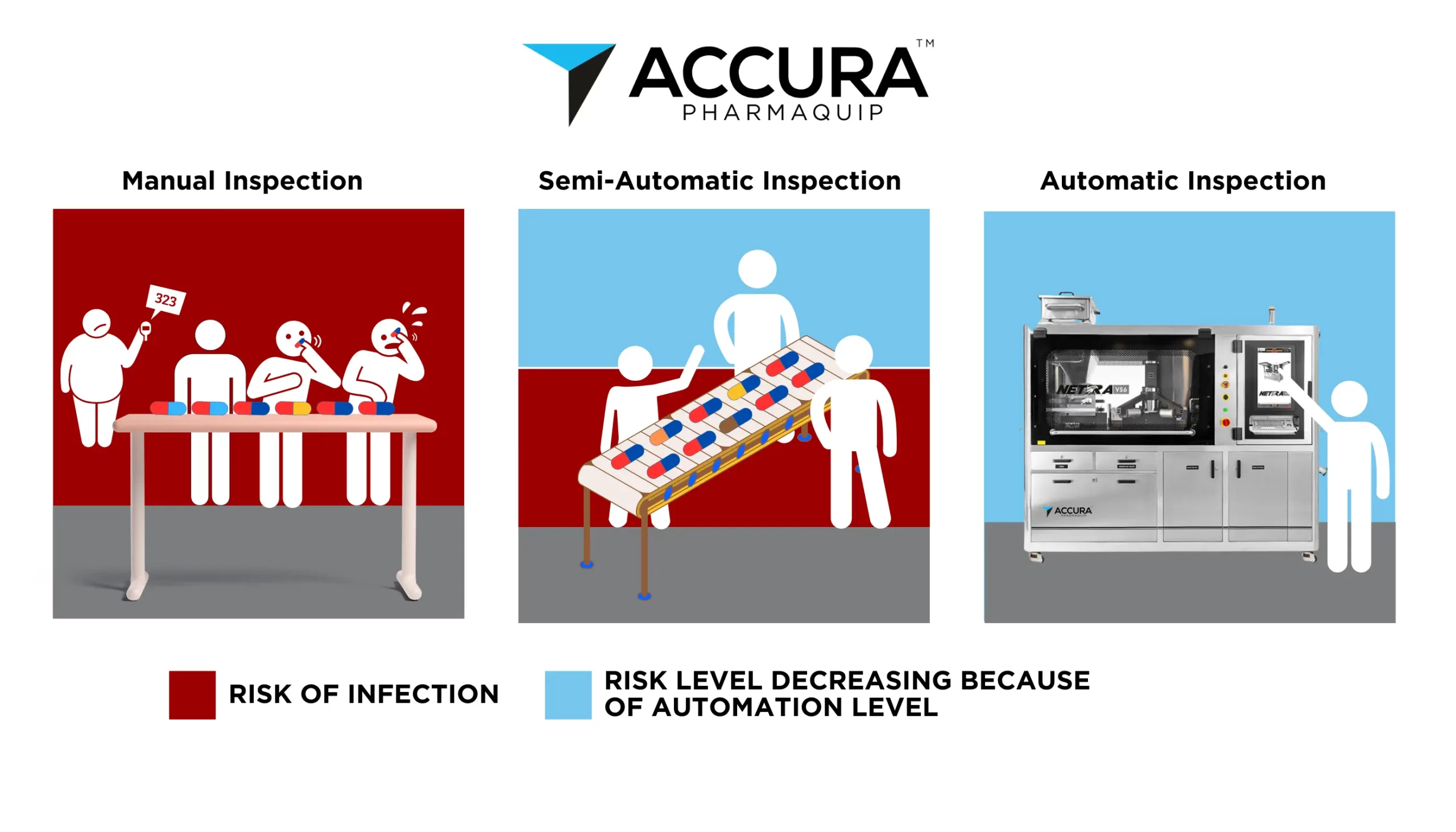
Amid the COVID-19 pandemic and other potential global health crises, the pharmaceutical industry ...
Read More
Accura Pharmaquip, a leading provider of tablet and capsule inspection technology, has been revol...
Read More
Why is 21 CFR Part 211 so crucial for the pharma industry? In the pharmaceutical industry, ensuri...
Read More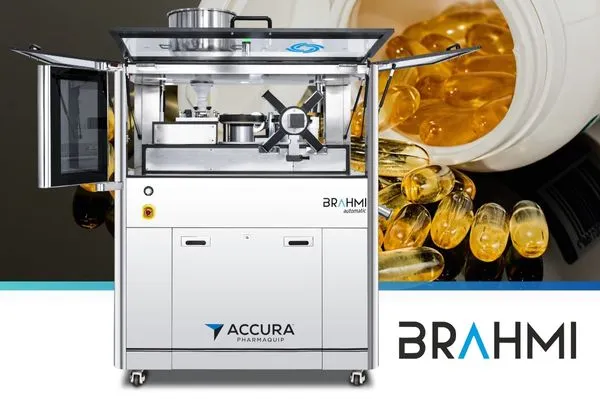
In today’s fast-paced pharmaceutical industry, quality control is of utmost importance. The...
Read More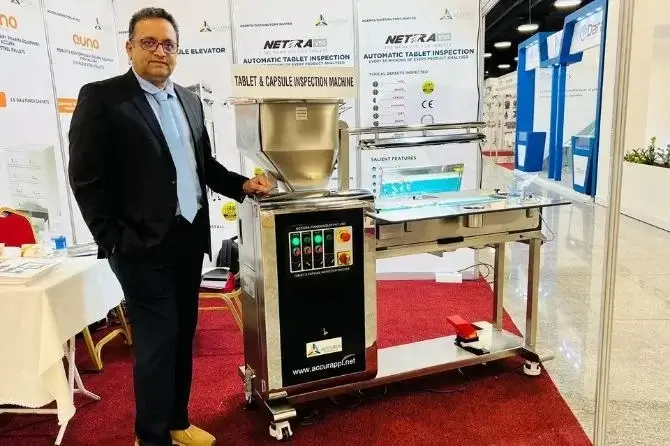
Thanks for visiting our booth and for showing your interest. We were excited to present at ARAB P...
Read More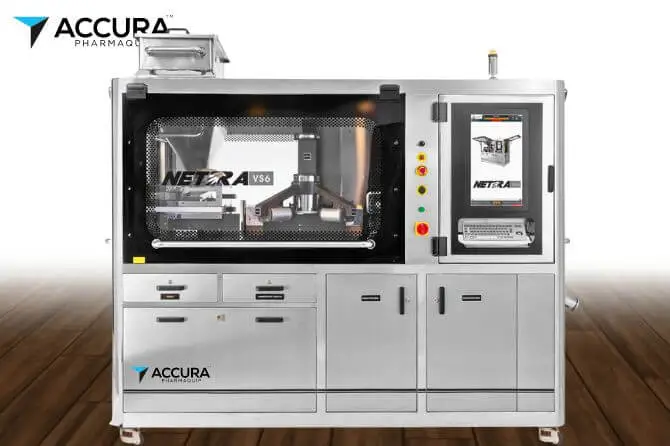
NETRA VS6 is the solution for automatic tablet and capsule inspection in the pharma industry. Our...
Read More
Accura Pharmaquip understands the critical importance of quality control in the pharmaceutical an...
Read More
 Aug 1, 2026