

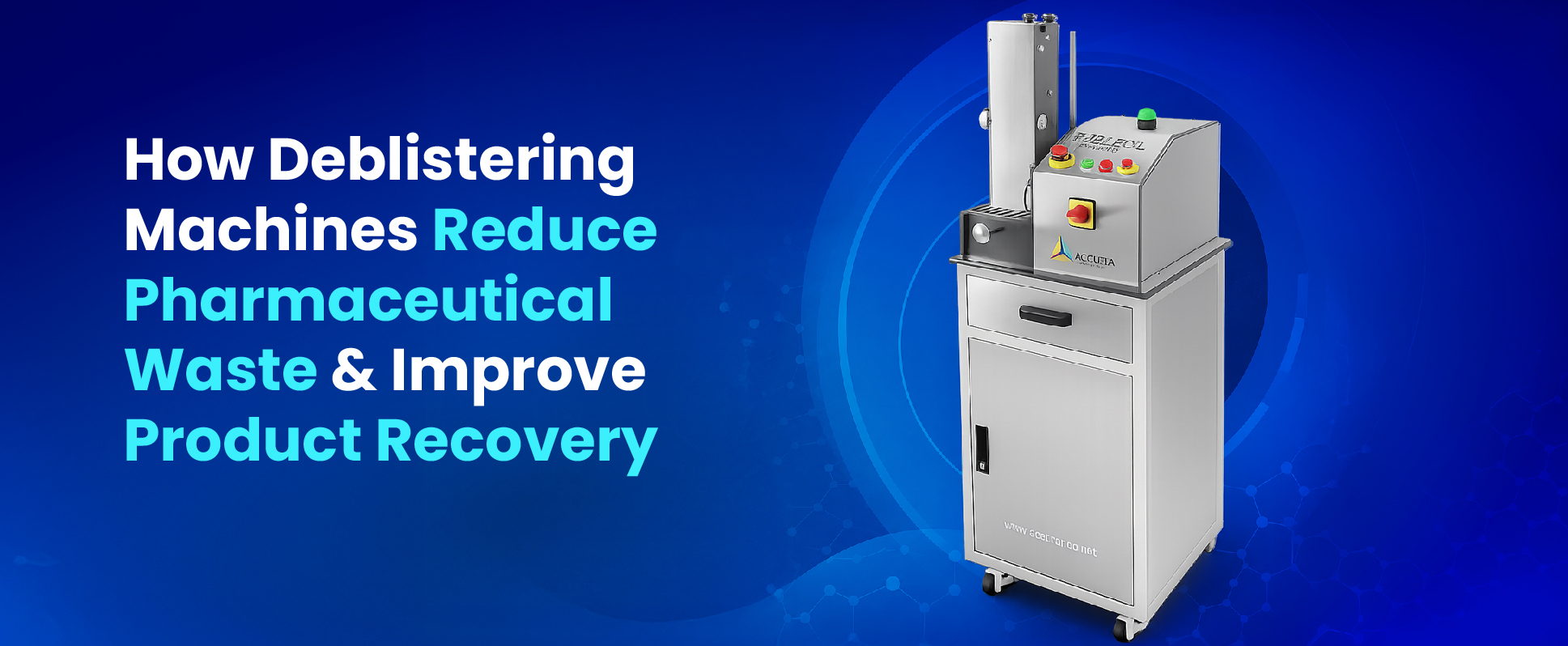
Modern Pharmaceutical manufacturing needs to be precise, compliant and economical. Minor blister pack defect will result in large loss of product if no recovery system is implemented for recovered tablets or capsules.
Find out how new de-blistering equipment enables manufacturers to efficiently recover their tablets and capsules from defective packs, reduces waste of operation, increases profitability.
Today’s pharmaceutical manufacturing industry is focusing more and more on the elimination of waste as it relates to production. As a result of increasing production costs, increased regulatory pressures and environmental concerns, manufacturers are under greater pressure than ever before to increase product recovery throughout all aspects of their packaging operations.
Rejected blister packs due to defective seals, misprinted labels, or failed batches can be costly for pharmaceutical manufacturers. If there is no adequate method to recover products that were previously contained within these rejected blister packs, then what would have been useful amounts of tablet and capsule product will ultimately be discarded.
Deblistering machines are becoming an increasingly important part of a manufacturer’s equipment inventory for recovering product (safely and economically) from rejected blister packs; this ultimately reduces the amount of materials wasted during production, and improves the economic viability of the production process.
For pharmaceutical companies looking to improve operational efficiencies and contribute positively to sustainability efforts, deblistering systems represent one of the most important elements of modern packaging technology.
A deblistering machine is a specially-designed pharmaceutical machine that recovers tablets or capsules from rejected or defective blister packaging, while preserving the integrity of the product.
These machines are used to rapidly, efficiently, and safely (in terms of sanitation) remove your product from blister packaging material, with minimal hands on contact.
The blister packs are fed into the equipment. Controlled pressure and precision rollers in the machinery can then remove tablet(s) or capsule(s) from the individual pockets of the blister pack. The extracted product will be segregated based on quality and intended use (i.e. for inspection/rework/approved reuse as per GMP).
Pharmaceutical packaging lines can experience product losses for several reasons. Understanding these issues helps manufacturers reduce waste and improve recovery planning.
Products are damaged by defective seals resulting in a large number of reject blister packs.
Damage to either the upper or lower foil layer of blister packs during production or shipment results in the product being completely unusable.
Poor cavity alignment results in inconsistent packaging which can also be a reason for rejecting a particular batch of products.
Complete batches of pharmaceutical products that have failed quality assurance tests must be destroyed and replaced.
Failure to properly label products or labeling errors may cause a complete batch of products to be rejected as well as all related packaging materials.
Some types of recalls will necessitate the removal of safe products from their original packaging materials.
Error resulting from wrong product inserted into package.
Errors created during machine adjustments or calibration results in temporary waste generated on the packaging line.
These challenges contribute significantly to pharmaceutical packaging waste, increasing the cost associated with rejected blister packs and overall product loss in pharma manufacturing.
Also Read: Semi-Automatic vs. Automatic Deblistering Systems — Choosing the Right Fit for Your Pharma Facility
Deblistering machines are developed to improve tablet/capsule recovery rates by extracting product from blisters efficiently with minimal loss due to breakage or surface damage.
Many pharmaceutical formulations involve expensive APIs and production costs. Recovering usable products helps manufacturers avoid unnecessary financial losses.
Manual product recovery can be slow and labor-intensive. Automated deblistering systems significantly improve recovery speed.
Automated recovery systems reduce direct operator contact with pharmaceutical products.
Modern deblistering systems are designed to support cleanroom operations and GMP requirements.
| Parameter | Typical Improvement |
|---|---|
| Product Recovery Efficiency | Up to 95–98% |
| Manual Recovery Time Reduction | Up to 70% |
| Packaging Waste Reduction | Significant decrease |
| Labor Dependency | Reduced considerably |
Deblistering machines are widely used across multiple healthcare and packaging sectors.
| Feature | Manual | Automatic |
|---|---|---|
| Speed | Low | High |
| Recovery Efficiency | Moderate | Excellent |
| Labor Requirement | High | Low |
| GMP Compliance | Basic | Advanced |
| Production Volume | Small | Large |
Choosing the correct deblistering system depends on:
Accura Pharmaquip can help identify the ideal solution for your packaging line.
Accura Pharmaquip delivers reliable pharmaceutical machinery solutions designed to meet modern industry requirements.
Deblistering machines are a key tool for the Pharmaceutical industry’s goal to be less wasteful, save money by recovering wasted product, and make processes more productive.
By enabling efficient recovery of tablets and capsules from rejected blister packs, these systems help companies:
Pharmaceutical producers who choose to invest in a smart manufacturing strategy will see significant long-term benefits as an investment in a reliable deblistering machine.
Looking for a reliable deblistering machine for your pharmaceutical facility? Contact Accura Pharmaquip today for expert guidance and customized pharmaceutical recovery solutions.
The recovery efficiencies of Modern automatic deblistering machines depend on the nature of the products being processed as well as the materials used in the manufacture of the blister packaging. Recovery efficiencies may range from approximately 95% to 98%.
Most new deblistering machines are capable of processing both tablets and capsules. In addition, they are capable of handling various different blister formats.
Pharmaceutical grade deblistering equipment meets all requirements for GMP compliance in terms of its construction and hygienic operation.
Deblistering machines commonly support:
Automatic deblistering systems are particularly suited for use in high-volume production environments, which require that products are produced quickly and efficiently at consistent levels of quality.
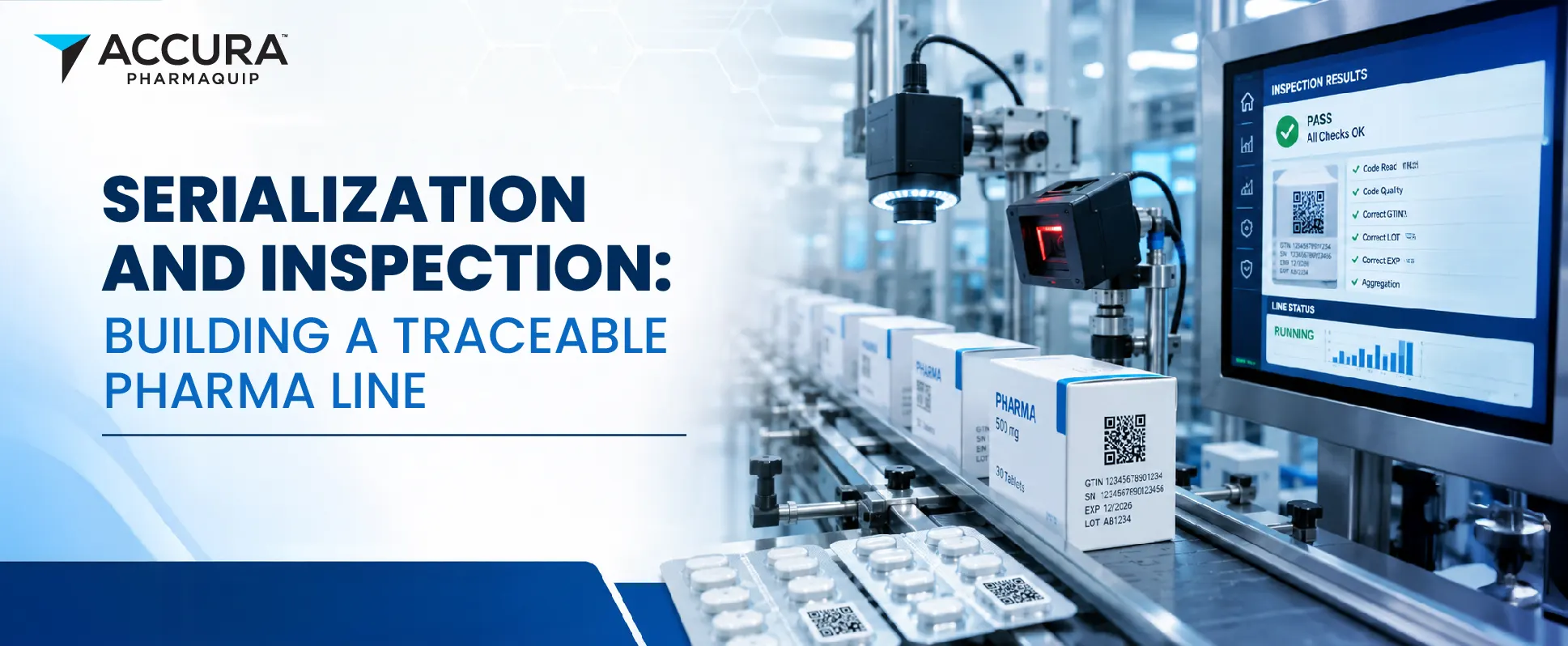
How Accura Pharmaquip’s advanced inspection techno...
Read More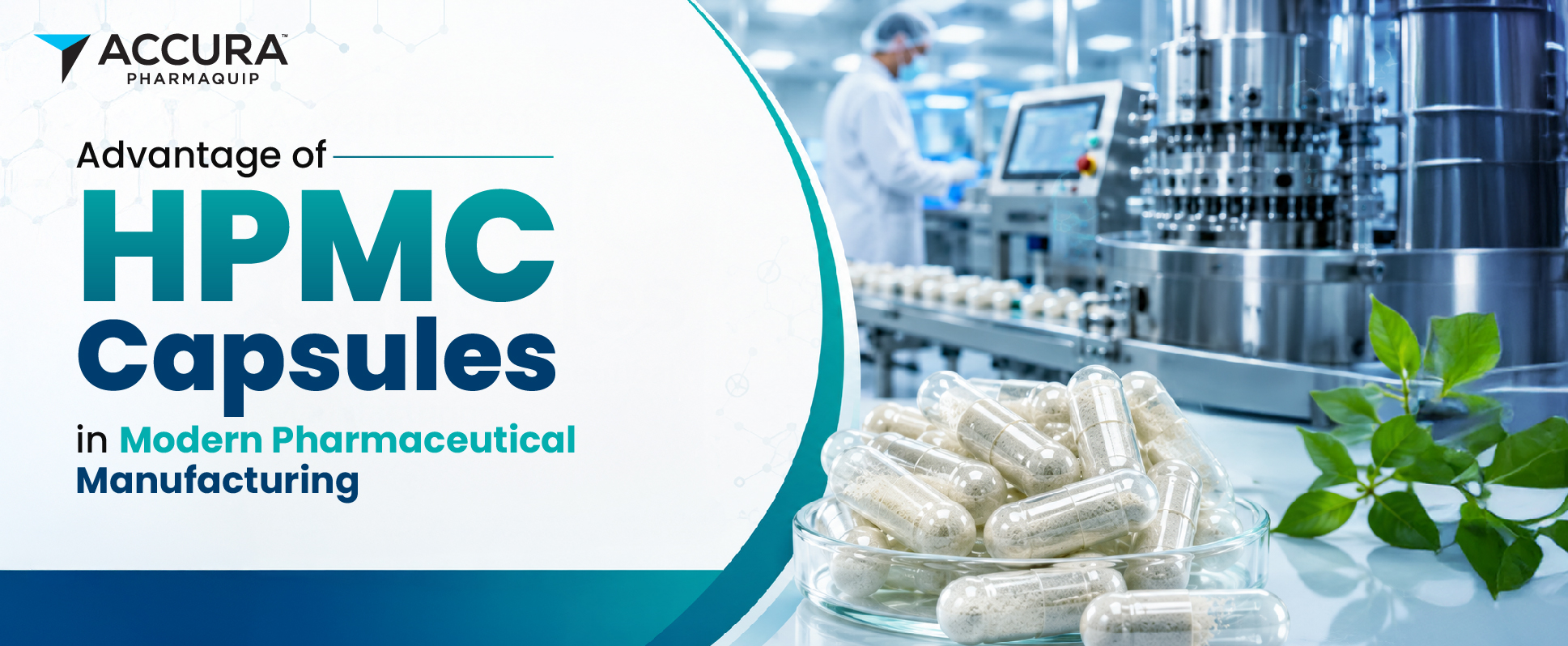
Pharmaceutical companies are now choosing to selec...
Read More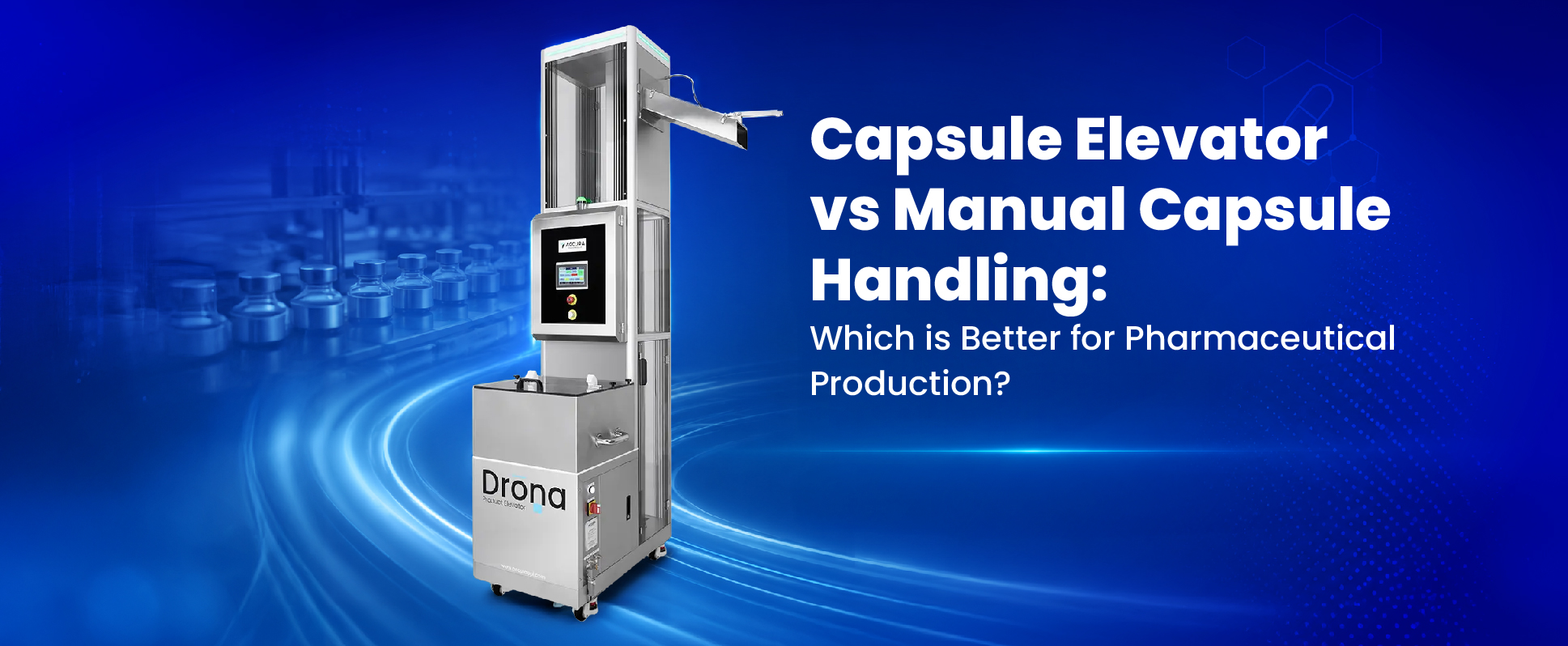
In addition to improving efficiency, reducing cost...
Read More
Capsules have been an extremely common dosage form...
Read More

How Accura Pharmaquip’s advanced inspection technologies can help you implement serializat...
Read More
Pharmaceutical companies are now choosing to select capsules as an alternative to simply p...
Read More
In addition to improving efficiency, reducing costs, and improving productivity, efficient...
Read More
Capsules have been an extremely common dosage form for many years in the pharmaceutical ma...
Read More
Today’s pharmaceutical manufacturing is far more sophisticated than in years past, d...
Read More
In drug manufacturing, the focus on quality control is paramount. The presence of one defe...
Read More
Packing line conveyor are an excellent solution for eliminating inefficiencies created in ...
Read More
Automatic Inspection Systems are an integral part of today’s Pharmaceutical Manufact...
Read More
Regulatory compliance is mandatory in Solid Dosage Manufacturing as a means of protecting ...
Read More
Liquid drug products require very high levels of quality and precision. Microscopic contamination...
Read More
Ensuring that all of the drug ampules produced for injection are complete and meet the required q...
Read More
Automated inspection of injectable vials, vaccine vials, biologic vials and many other high value...
Read More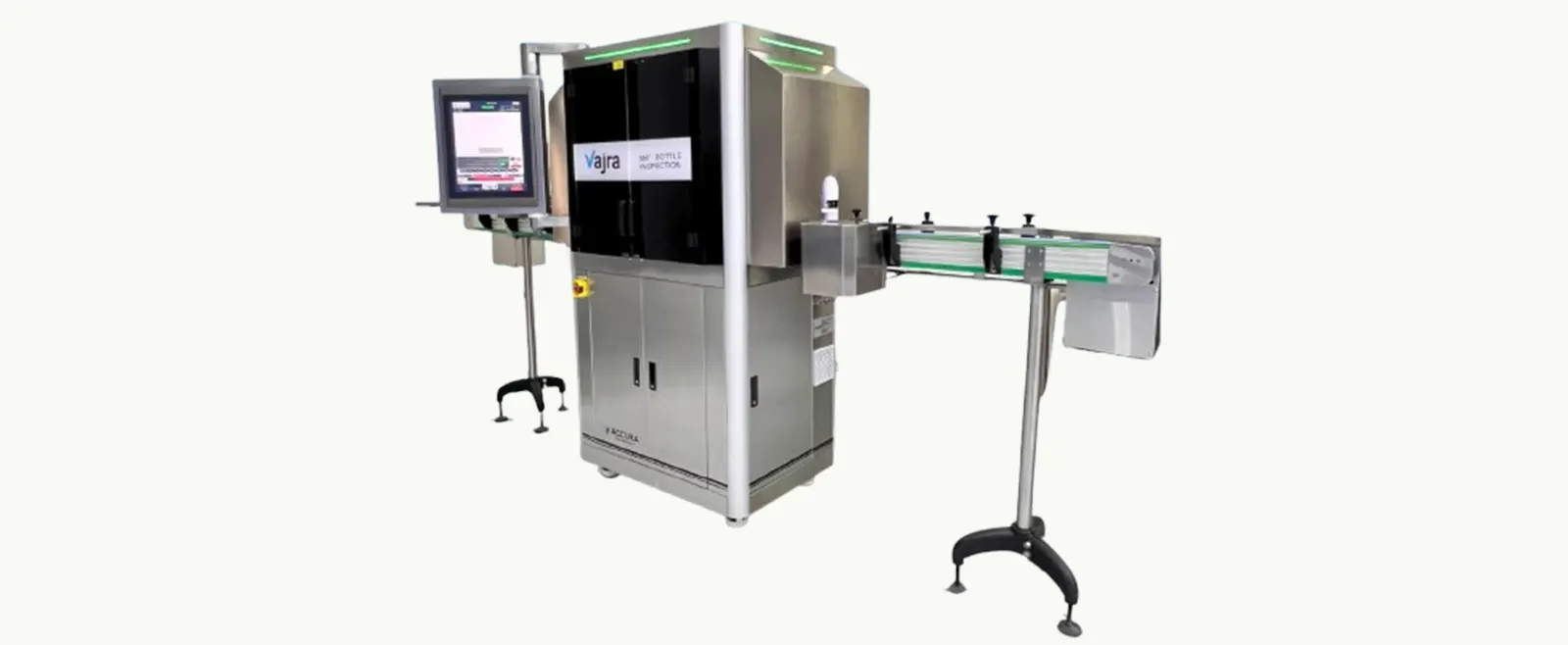
In the glass packaging industry, maintaining high-quality standards is essential. Whether used fo...
Read More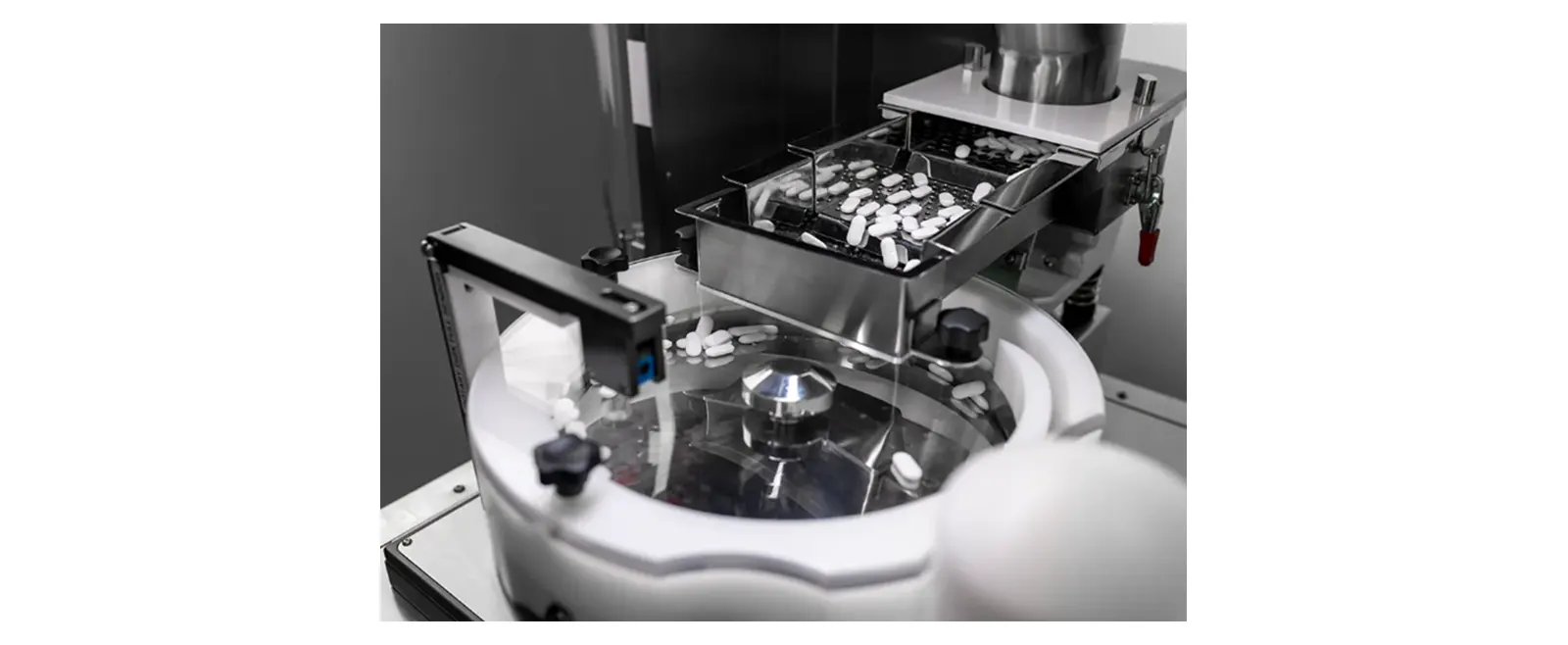
The pharmaceutical industry requires tablets produced at its highest possible quality to protect ...
Read More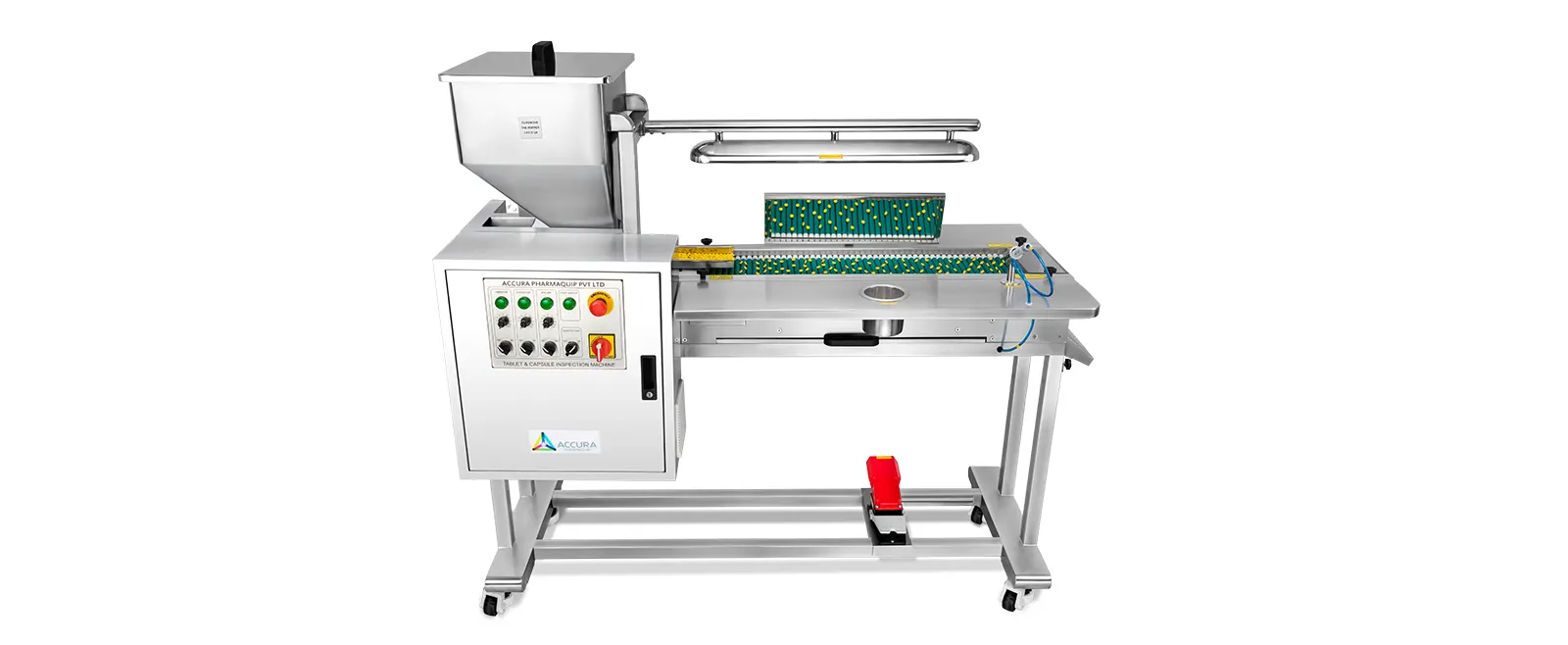
Quality assurance in the pharmaceutical industry is not simply a legal requirement; it is a moral...
Read More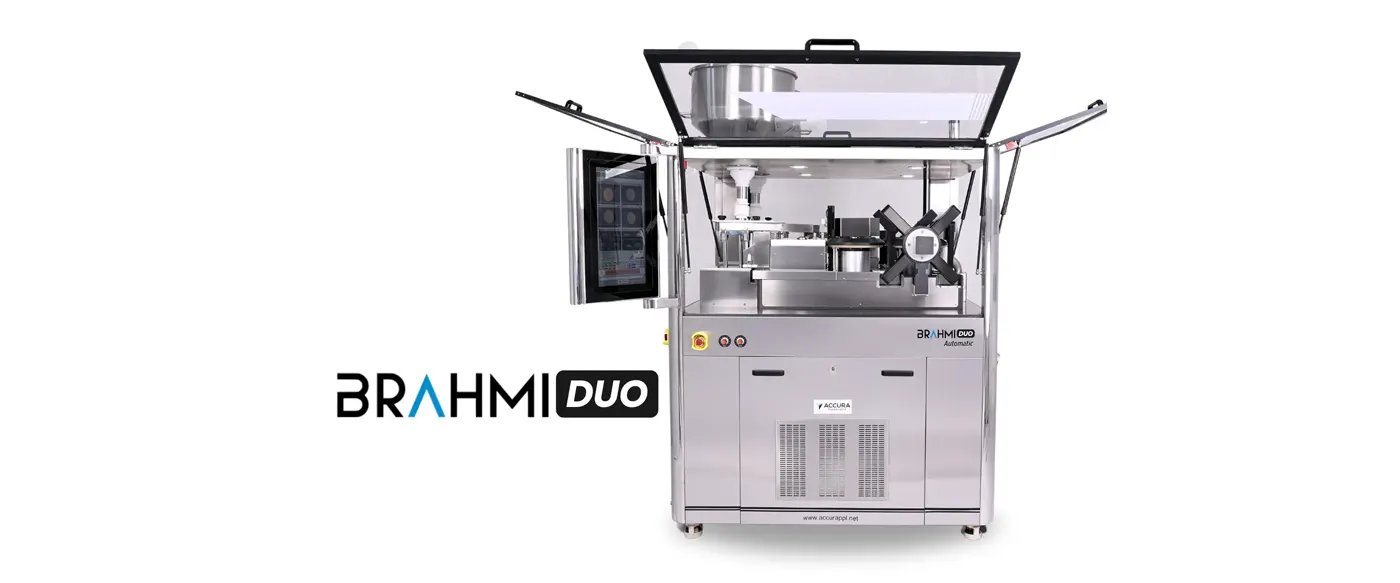
Precision, efficiency and adherence to regulatory requirements are essential in the manufacture o...
Read More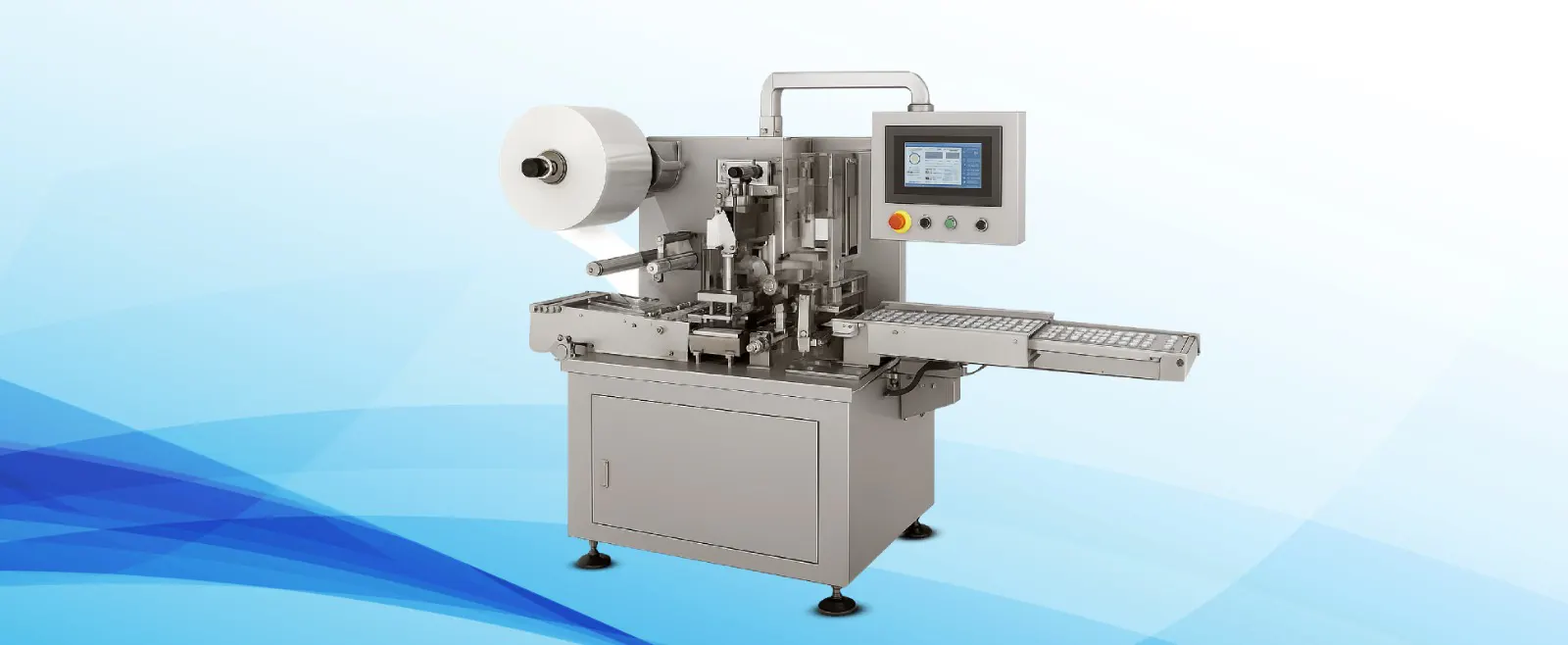
Strip packing is the most preferred and high-volume method of packaging solid oral dose forms, in...
Read More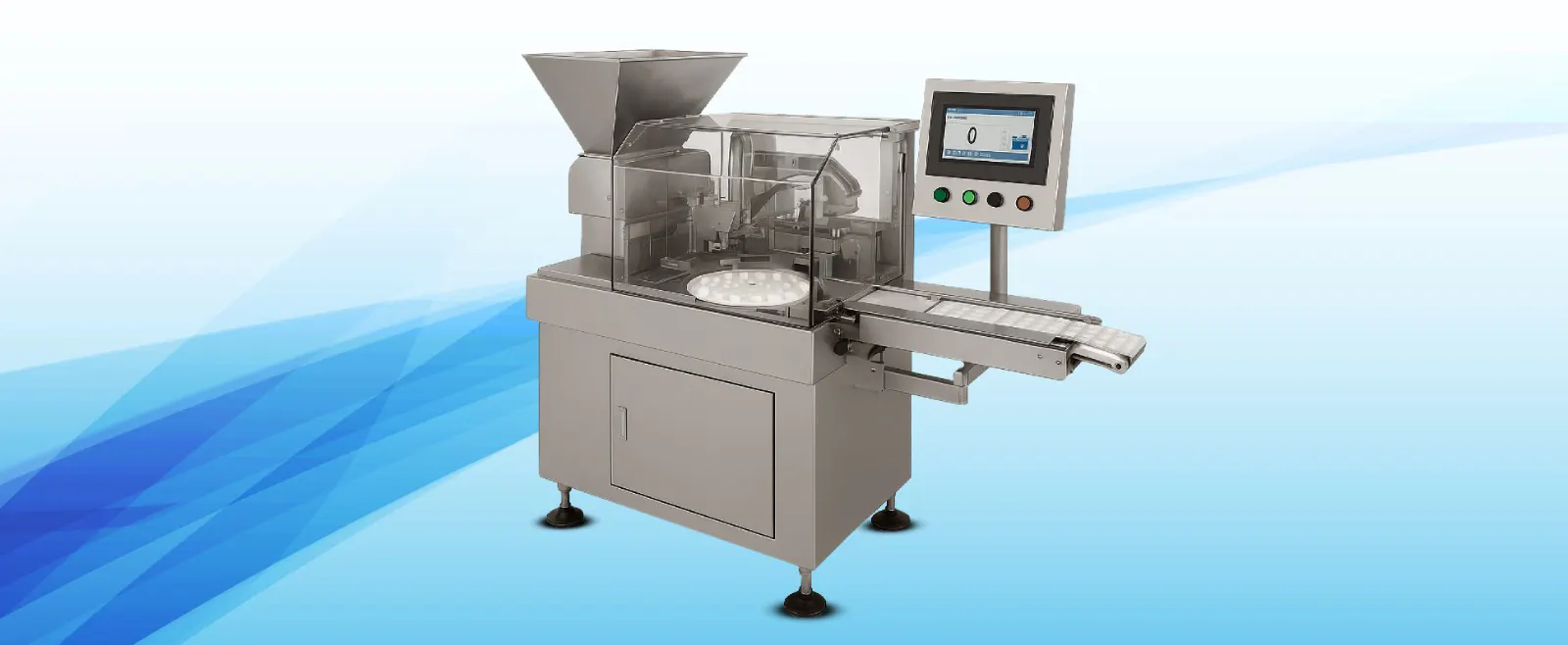
Pharmaceutical and nutraceutical manufacturers need to accurately count tablets and capsules to g...
Read More
Blister packaging plays a significant function in product safety, correct dosing, and consumer co...
Read More
Within pharma production, accuracy and productivity are not an option. Among the most critical bu...
Read More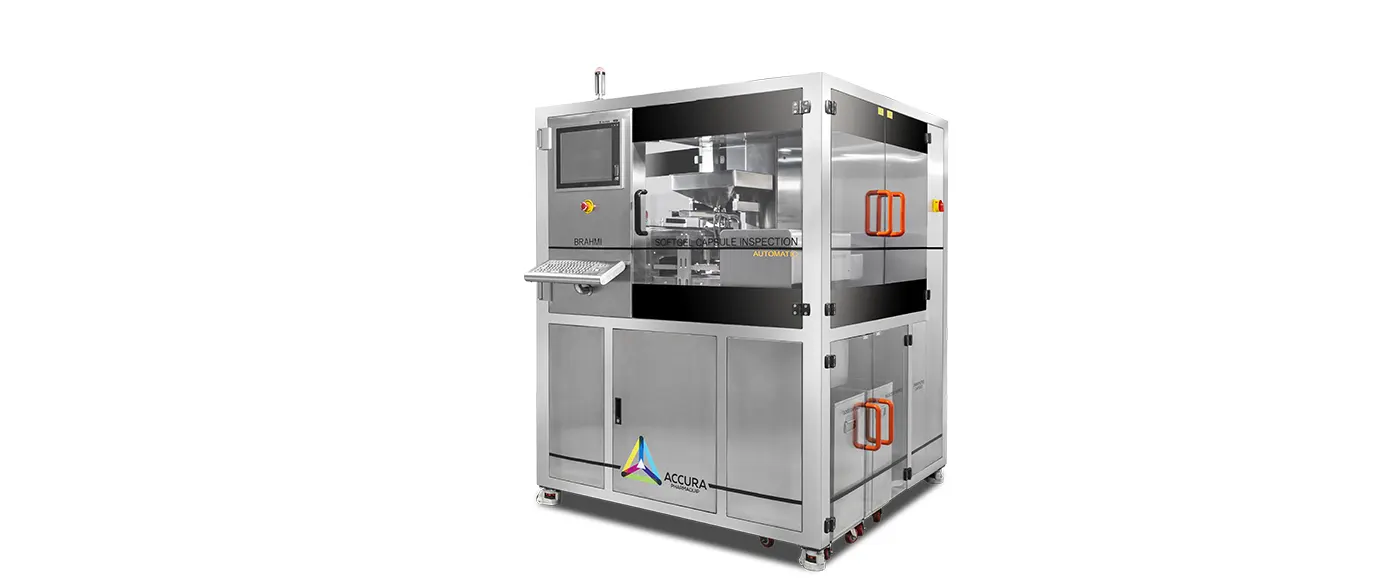
Nutraceutical and pharmaceutical production quality assurance is a no-compromise necessity. Ensur...
Read More
Deblistering machines play a vital role in pharmaceutical production by ensuring that tablet and ...
Read More
With the speed of the world accelerating further, efficiency and hygiene are increasingly importa...
Read More
In the pharmaceutical industry, packaging is not just about presentation, it is a critical part o...
Read More
Have you ever wonder why automated inspection is no longer optional and how Automatic Tablet and ...
Read More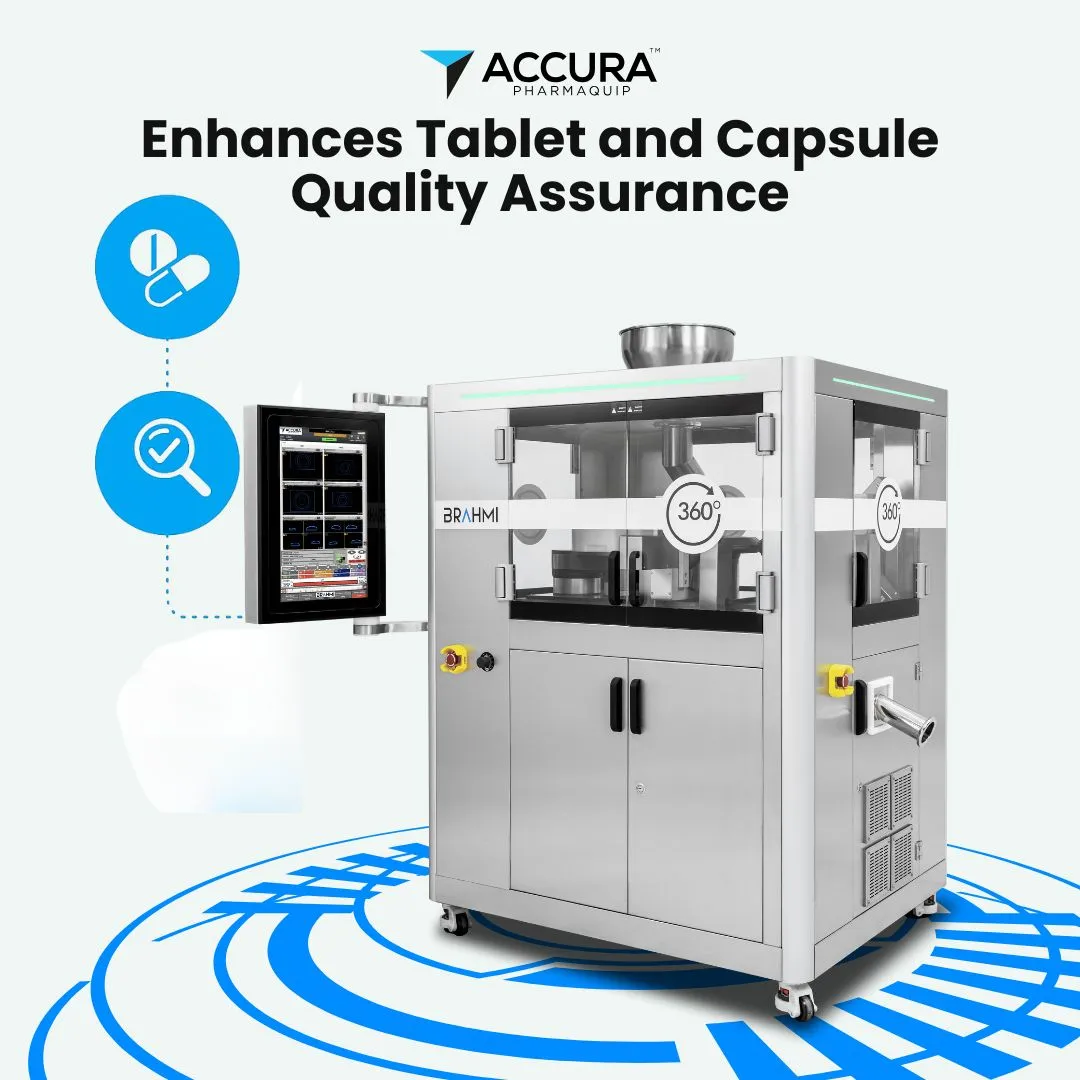
Quality control in pharmaceuticals isn’t just a step — it’s the heart of safe medication. Every p...
Read More
Enhancing Pharmaceutical Quality Control with Brahmi: The Best Tablet and Capsule Sorter. Common ...
Read More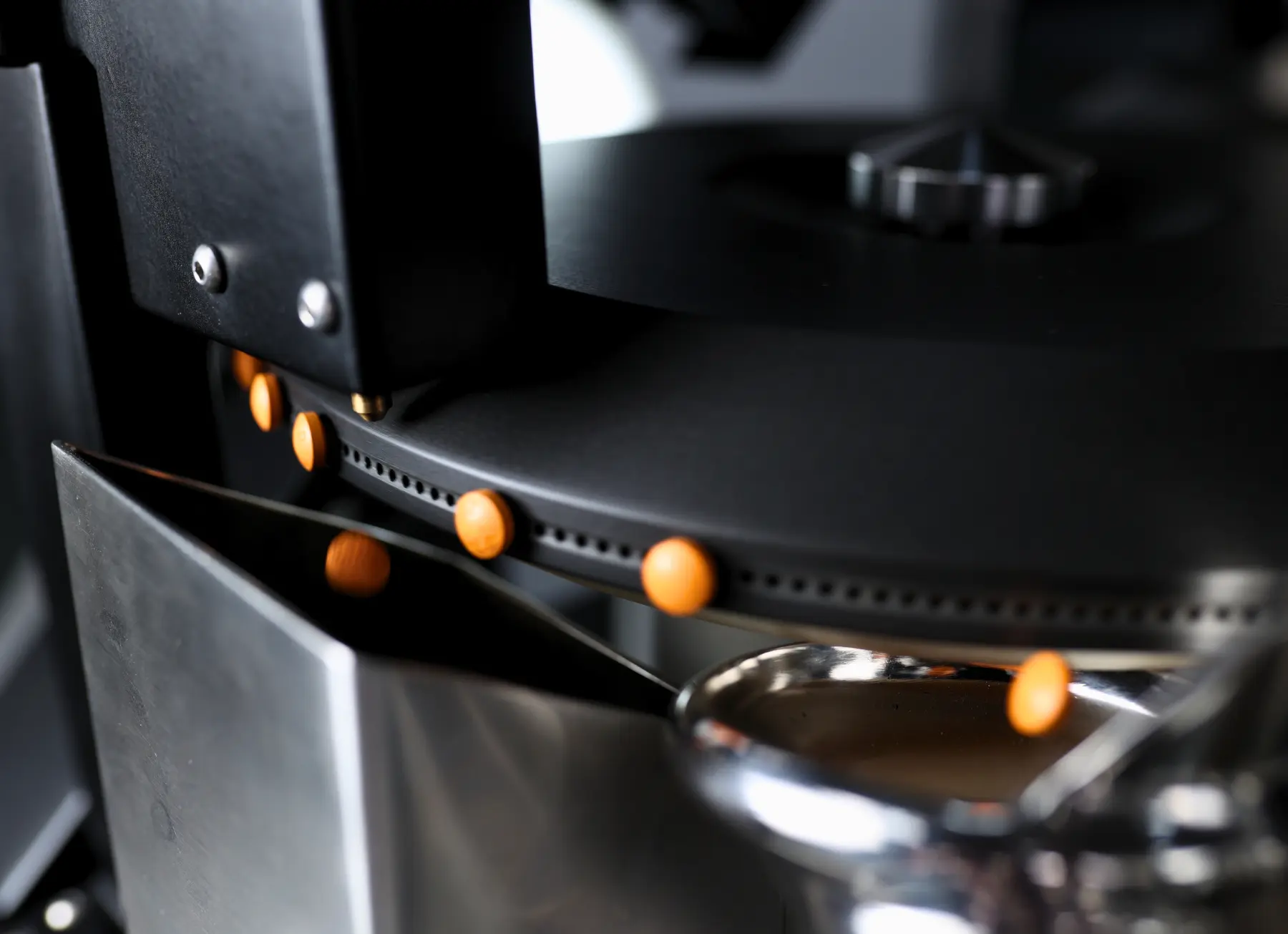
In pharmaceutical manufacturing, quality control is essential. The safety of medicines depends on...
Read More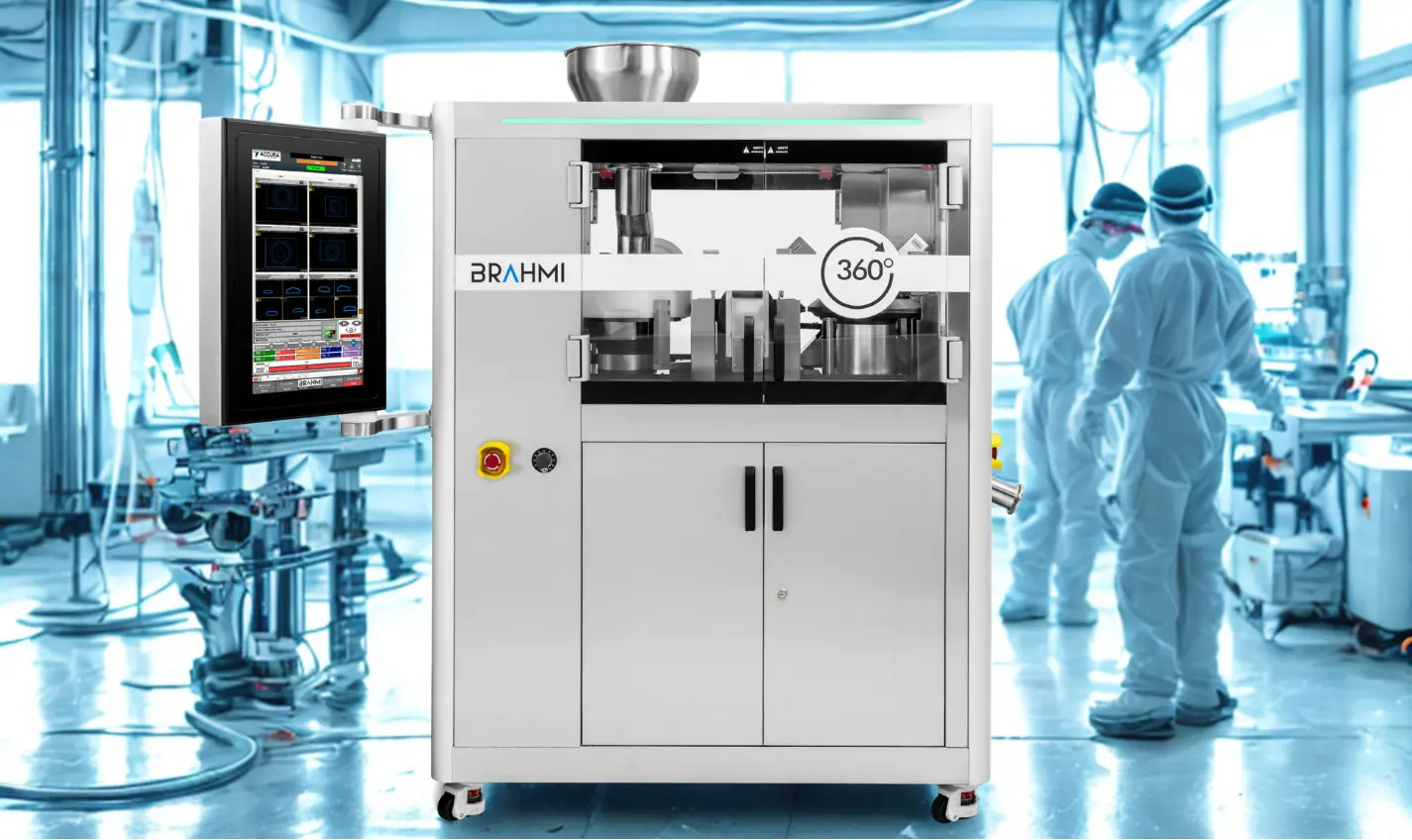
Suppose a scenario. A shipment of pills departs a pharma plant. They don’t know it, but som...
Read More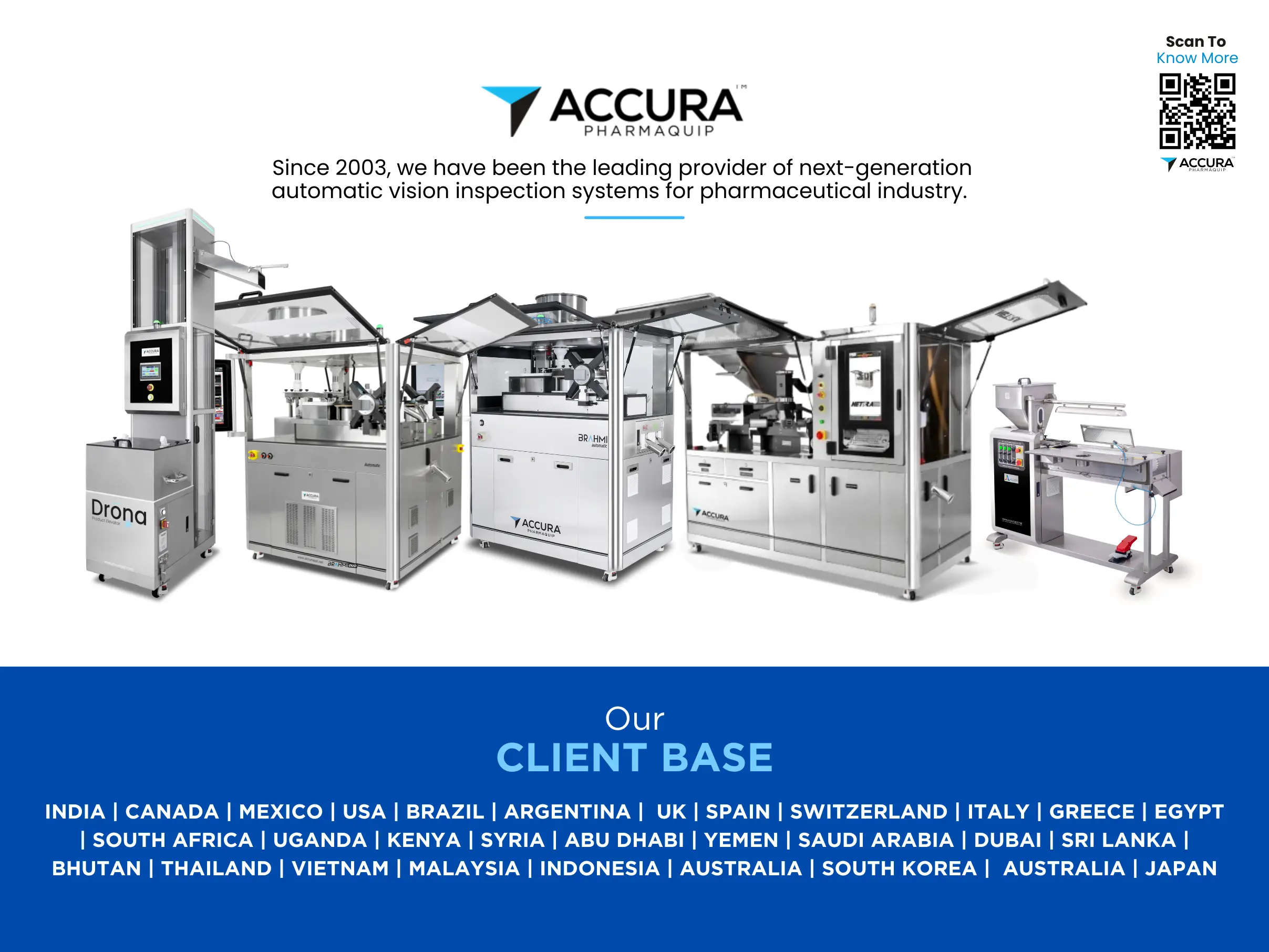
Accura Pharmaquip continues to lead the charge in pharmaceutical quality inspection technology wi...
Read More
The Revolutionary Brahmi DUO (Automatic Tablet and Capsule Inspection Machine) working principle:...
Read More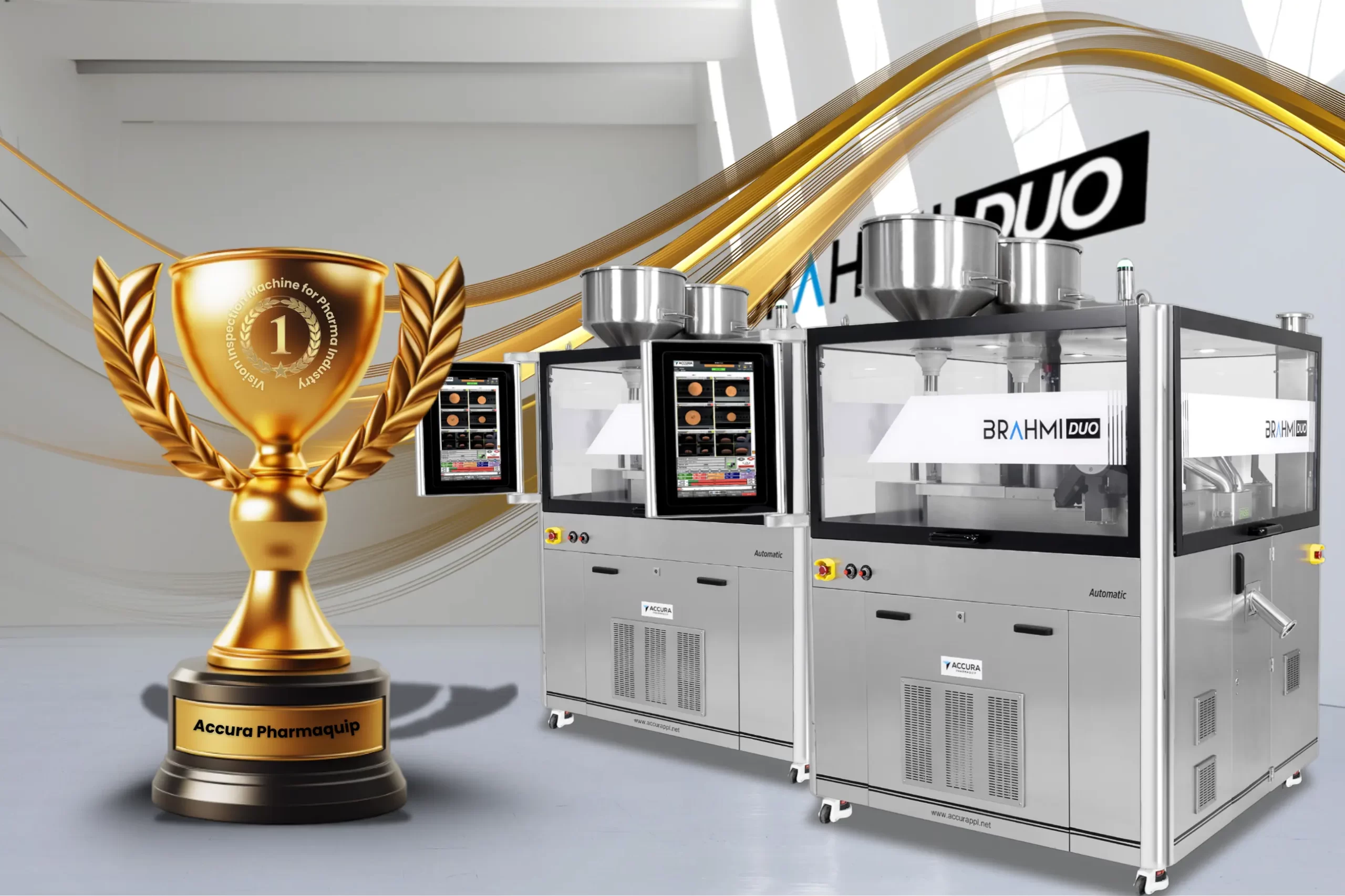
Brahmi DUO (Automatic tablet and capsule inspection machine): Revolutionizing Pharmaceutical Qual...
Read More
Protect Your Brand: By Detecting Defective Capsules in Production: In the ever-evolving pharmaceu...
Read More
Drona: The Innovative Product Elevator Transforming the Pharmaceutical Industry. In an era where ...
Read More
Pharmaceutical companies have a crucial responsibility to ensure that their products are of the h...
Read More
Why is quality assurance critical in pharmaceutical production? Why is it so crucial for pharmace...
Read More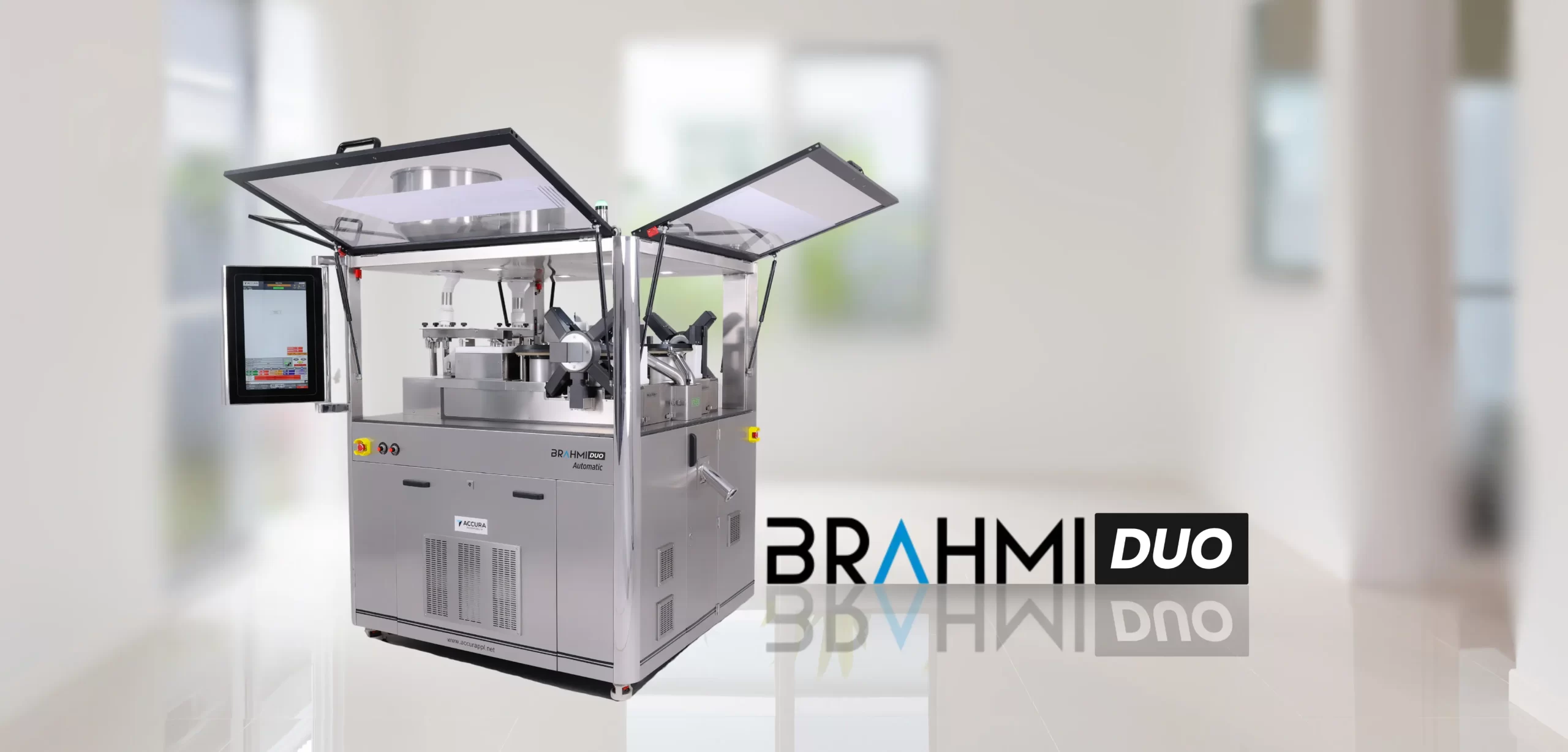
In the fast-paced world of pharmaceutical manufacturing, quality control is paramount. Every tabl...
Read More
In the pharmaceutical industry, the inspection of pills is a crucial step in ensuring the quality...
Read More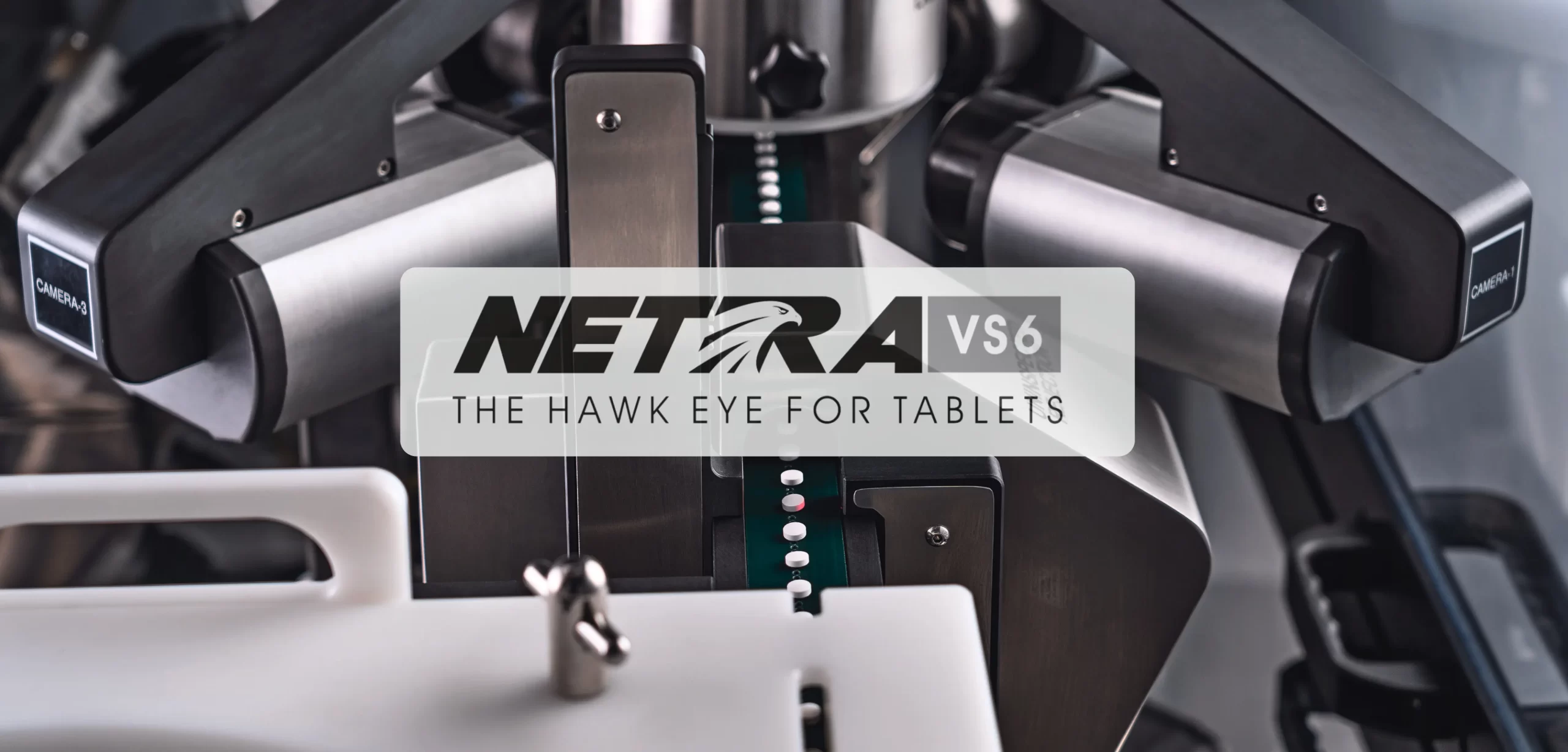
Accura Pharmaquip is a leading provider of advanced vision inspection systems for the pharmaceuti...
Read More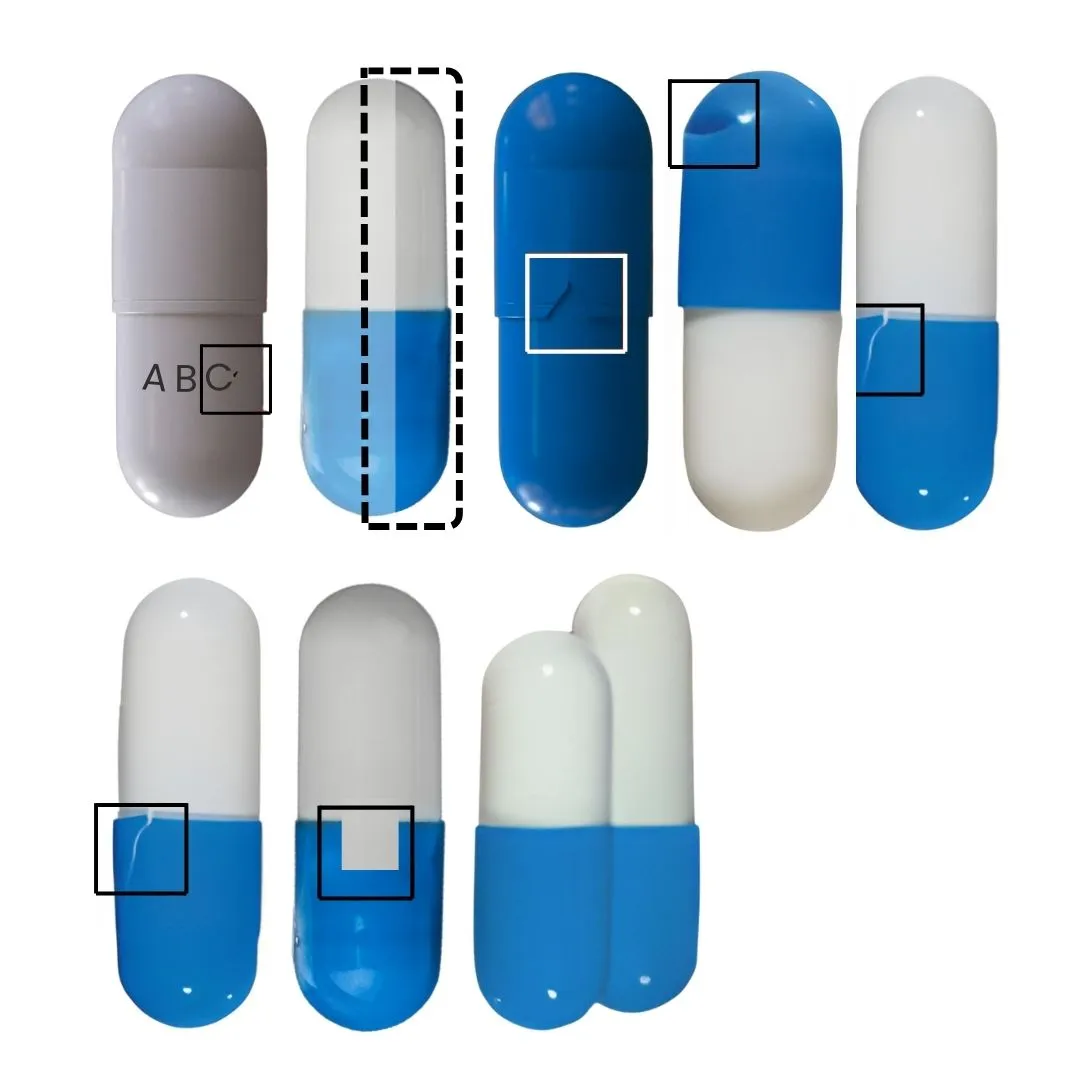
A View on the Most Popular and COMMON HARD GEL CAPSULE DEFECTS and Its Reasons. In the world of p...
Read More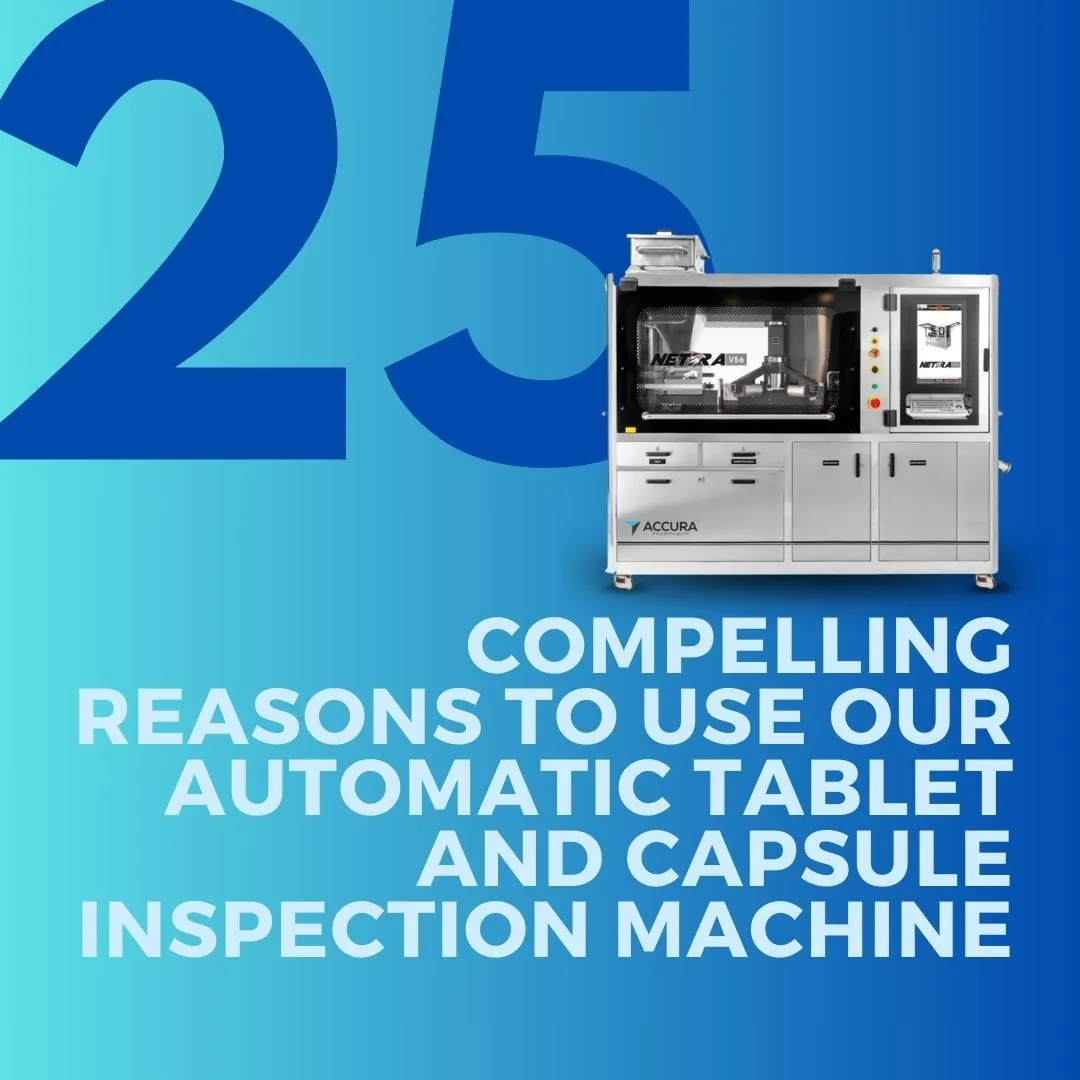
25 compelling reasons to use ACCURA PHARMAQUIP’s automatic tablet and capsule inspection ma...
Read More
Amid the COVID-19 pandemic and other potential global health crises, the pharmaceutical industry ...
Read More
Accura Pharmaquip, a leading provider of tablet and capsule inspection technology, has been revol...
Read More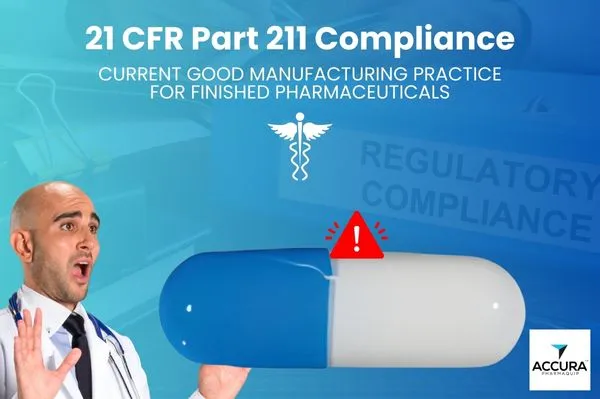
Why is 21 CFR Part 211 so crucial for the pharma industry? In the pharmaceutical industry, ensuri...
Read More
In today’s fast-paced pharmaceutical industry, quality control is of utmost importance. The...
Read More
Thanks for visiting our booth and for showing your interest. We were excited to present at ARAB P...
Read More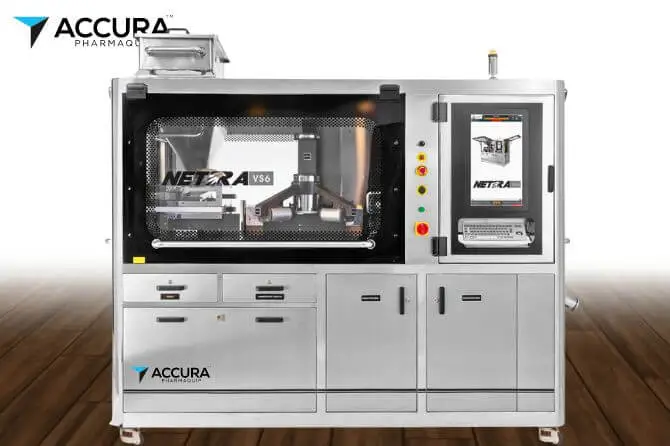
NETRA VS6 is the solution for automatic tablet and capsule inspection in the pharma industry. Our...
Read More
Accura Pharmaquip understands the critical importance of quality control in the pharmaceutical an...
Read More
 May 23, 2026