

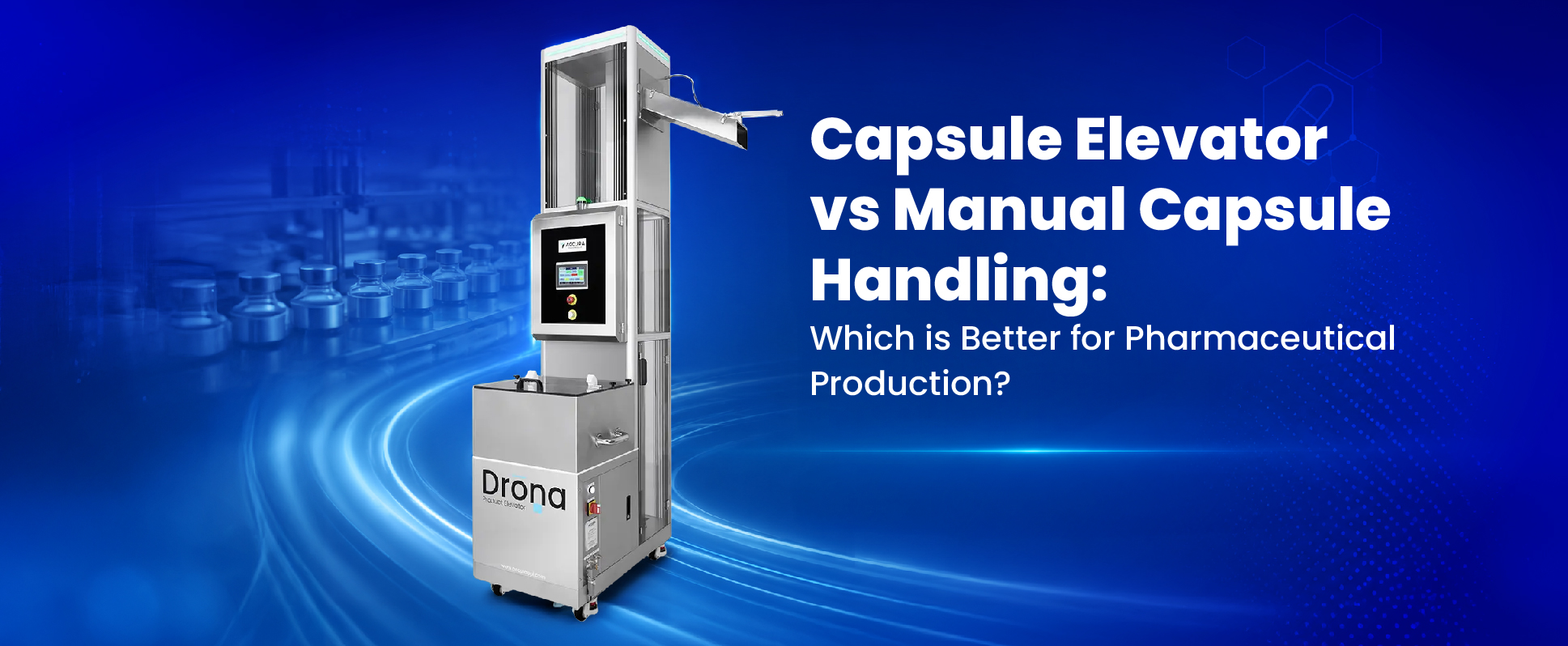
In addition to improving efficiency, reducing costs, and improving productivity, efficient capsule handling is also an essential element of compliance with Good Manufacturing Practice (GMP) in all areas of the Pharmaceutical Industry. Automated capsule elevators are being compared to Manual Handling Methods as well as other solutions that will help determine which method will provide the best operational results while reducing risk for contamination and improve GMP compliance.
Pharmaceutical manufacturing today is greatly dependent upon efficiently designed Material Handling Systems to ensure that it maintains both Productivity and Quality. Because manufacturers are now producing greater volumes than ever before, there is a growing trend towards Automation in order to limit downtime, improve hygiene conditions, and limit operator error.
Manual Capsule Transfer methods have traditionally created problems for manufacturers with issues such as Spillage, Unreliable or Inconsistent Transfer Processes, Labor Dependency, Contamination Risks. These types of issues in regulated pharmaceutical environments can lead to significant loss of Production Efficiency and Losses related to GMP Compliance.
Capsule elevator type automated systems are becoming a mainstay within most modern manufacturing facilities due to their ability to provide Reliable, clean and faster capsule transfer between Stages of production.
As there continues to be a focus on Process Optimization and Containment Control (and related areas) many pharmaceutical companies are turning to Automated Handling Equipment to help Improve Overall Performance in their Operations.
Capsule elevators are primarily automated systems that enable safe and efficient transportation of capsule materials among various phases of the drug manufacturing process.
Capsule elevators are used to elevate and transport capsules from bins, buckets, or other containers to a capsule filler, packaging device, or a storage area with limited operator involvement.
Capsules are transferred into an elevator hopper from where they are lifted by a controlled lifting mechanism to the necessary elevation or to some processing machinery. The capsule lift process is designed to provide smooth, clean and safe movement of capsules in order to minimize potential for both damage and dust generation.
Capsule elevators can be integrated with:
Manual capsule handling refers to the traditional method of transporting capsules between different production stages using operators and handheld containers.
In this process, workers manually load, carry, transfer, and unload capsules throughout the manufacturing cycle.
Also Read: Top 5 Features to Look for in a Modern Tablet and Capsule Elevator
| Parameter | Capsule Elevator | Manual Handling |
|---|---|---|
| Productivity | High | Moderate/Low |
| Labor Requirement | Minimal | High |
| Contamination Risk | Low | Higher |
| GMP Compliance | Excellent | Limited |
| Product Loss | Minimal | More likely |
| Workflow Efficiency | Streamlined | Slower |
| Operator Fatigue | Reduced | High |
| Scalability | Easy | Difficult |
Capsules elevate your efficiency; automated capsule elevators help the pharmaceutical manufacturer to produce efficiently, to meet the hygienic standards and to eliminate operational bottle-necks for all production lines.
The automation of the handling of capsules can guarantee a continuous transfer of capsules on production lines.
Most modern capsule lifts have been developed with a pharmaceutical clean room environment in mind.
Manual labor is reduced as fewer repetitive handling steps are required due to automation of manual tasks.
Using an automatic capsule transfer system can help prevent accidental spillage/damage of product during transfer when compared to use of an uncontrolled manual transfer method.
Automated capsule lift systems have a better ability for compliance with the manufacturing practices (GMP) requirements of all pharmaceutical companies.
While automation is beneficial in many ways, some situations may make manual capsule transferring acceptable.
As volume increases, manufacturers transition from manual to automated systems in order to decrease risk of contamination; streamline operations; and be compliant with stricter GMP guidelines.
When selecting a pharma capsule elevator, manufacturers should evaluate features that improve performance, hygiene, and operational flexibility.
The key objective of modern automated capsule transferring systems is to enhance production efficiency as well as ensure that all production meets strict regulatory guidelines with regard to the manufacture of pharmaceutical products.
In addition to improving production efficiency, selecting the correct capsule lifting equipment can also help improve overall workflow processes as well as increase the reliability of an organization’s processing methods.
Accura Pharmaquip offers state-of-the-art manufacturing equipment specifically engineered for use in the pharmaceutical manufacturing sector including hygienic, reliable, and high-productivity processes.
Efficient capsule management is a necessity of the industry’s ability to be productive, maintain good hygiene practices, and follow regulatory compliance requirements. In comparison to traditional manual methods of handling capsules, capsule elevators provide significant benefits relative to operating efficiently and controlling contamination.
By automating capsule transfer processes, manufacturers can achieve:
Automated Capsule Handling Systems are going to be an increasingly smart long term business decision as demand continues to increase in the pharmaceutical industry for production of all types of capsules.
Need a GMP compliant Capsule Elevator Solution for your Pharmaceutical Facility? We at Accura Pharmaquip can assist you with custom-built, GMP compliant capsule handling systems designed for efficient pharmaceutical production.
An automated capsule elevator can be used to move capsules from one stage of production to the next. It enables better production efficiencies, better cleanliness/hygiene levels as well as it provides consistency of operations.
Automated capsule elevators assist in reducing employee interaction with equipment, support a “dust-free” environment during transfer operations, and utilize hygienically constructed materials such as stainless steel, which is acceptable for GMP compliant production areas.
Most modern capsule elevators have been designed to easily interface with various levels of production including but limited to; capsule filling machines, packaging machinery, and material handling systems.
Yes. Automated capsule elevators have become a staple in the design of many nutraceutical and healthcare supplement production facilities due to their ability to transfer capsules in a clean/hygiene-controlled manner.
You should clean all surfaces; inspect components; lubricate moving parts; and perform routine preventive maintenance to make sure your capsule elevator is reliable for the duration of its service life.
How Accura Pharmaquip’s advanced inspection techno...
Read More
Pharmaceutical companies are now choosing to selec...
Read More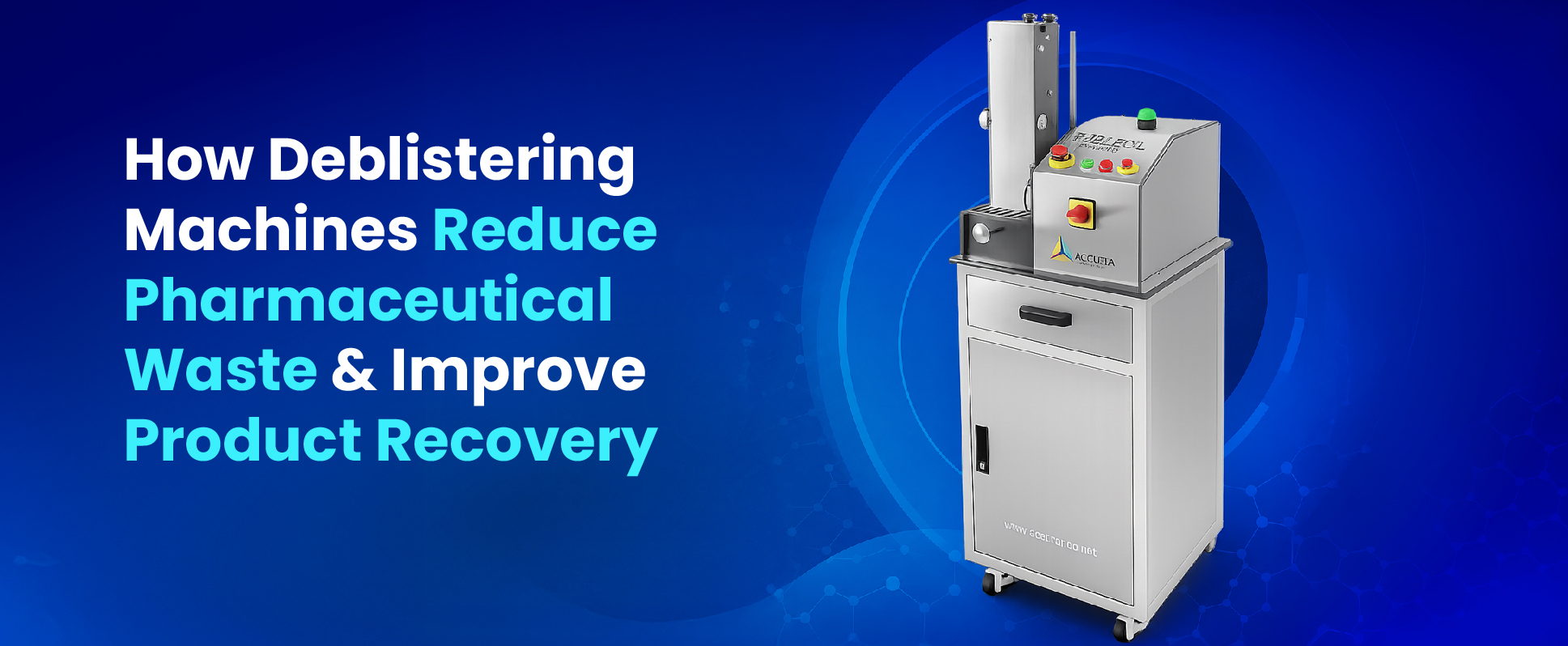
Modern Pharmaceutical manufacturing needs to be pr...
Read More
Capsules have been an extremely common dosage form...
Read More

How Accura Pharmaquip’s advanced inspection technologies can help you implement serializat...
Read More
Pharmaceutical companies are now choosing to select capsules as an alternative to simply p...
Read More
Modern Pharmaceutical manufacturing needs to be precise, compliant and economical. Minor b...
Read More
Capsules have been an extremely common dosage form for many years in the pharmaceutical ma...
Read More
Today’s pharmaceutical manufacturing is far more sophisticated than in years past, d...
Read More
In drug manufacturing, the focus on quality control is paramount. The presence of one defe...
Read More
Packing line conveyor are an excellent solution for eliminating inefficiencies created in ...
Read More
Automatic Inspection Systems are an integral part of today’s Pharmaceutical Manufact...
Read More
Regulatory compliance is mandatory in Solid Dosage Manufacturing as a means of protecting ...
Read More
Liquid drug products require very high levels of quality and precision. Microscopic contamination...
Read More
Ensuring that all of the drug ampules produced for injection are complete and meet the required q...
Read More
Automated inspection of injectable vials, vaccine vials, biologic vials and many other high value...
Read More
In the glass packaging industry, maintaining high-quality standards is essential. Whether used fo...
Read More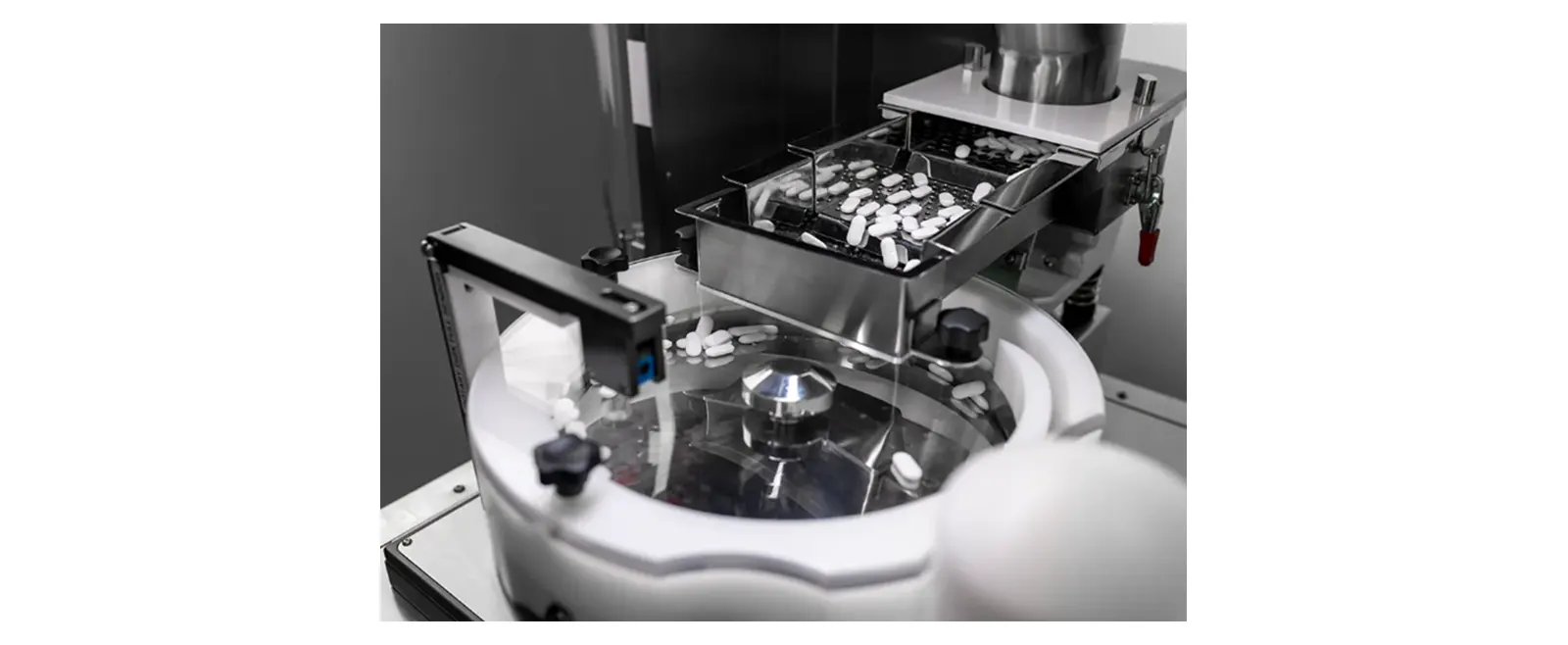
The pharmaceutical industry requires tablets produced at its highest possible quality to protect ...
Read More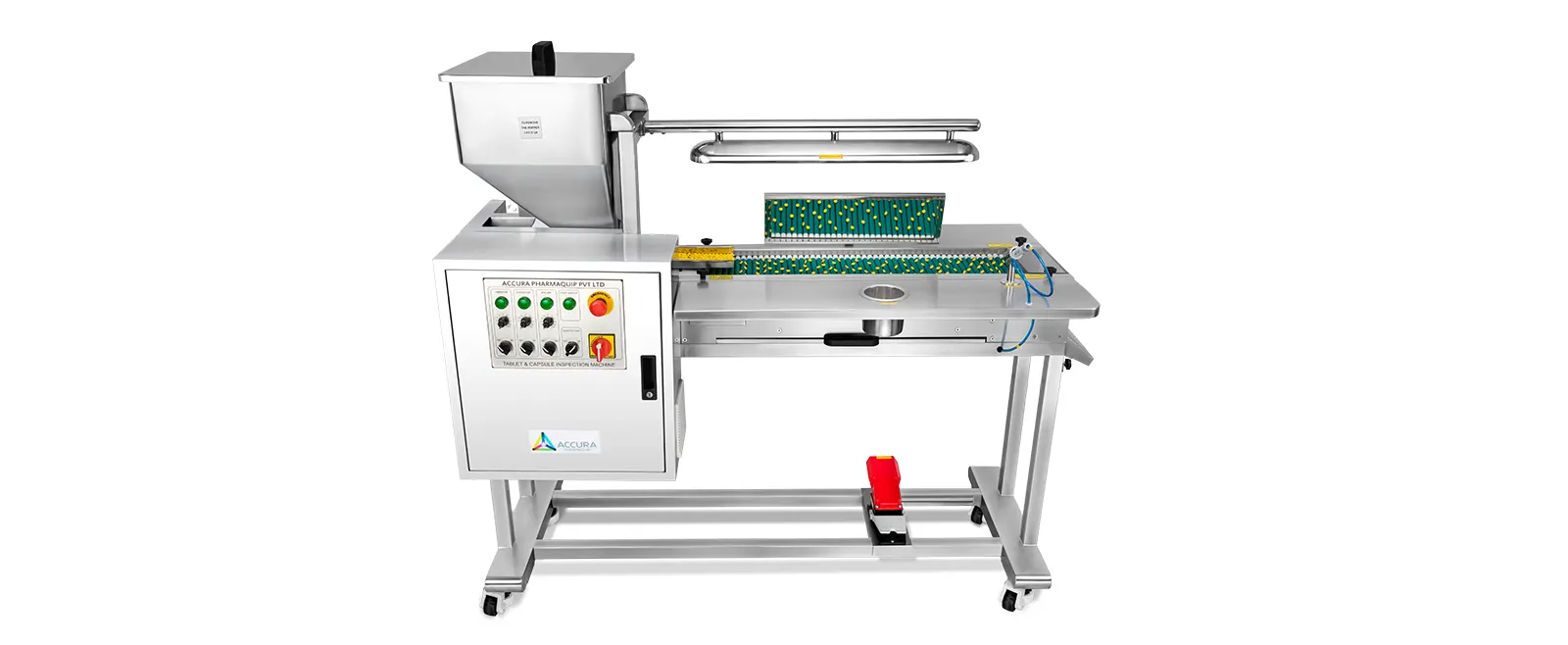
Quality assurance in the pharmaceutical industry is not simply a legal requirement; it is a moral...
Read More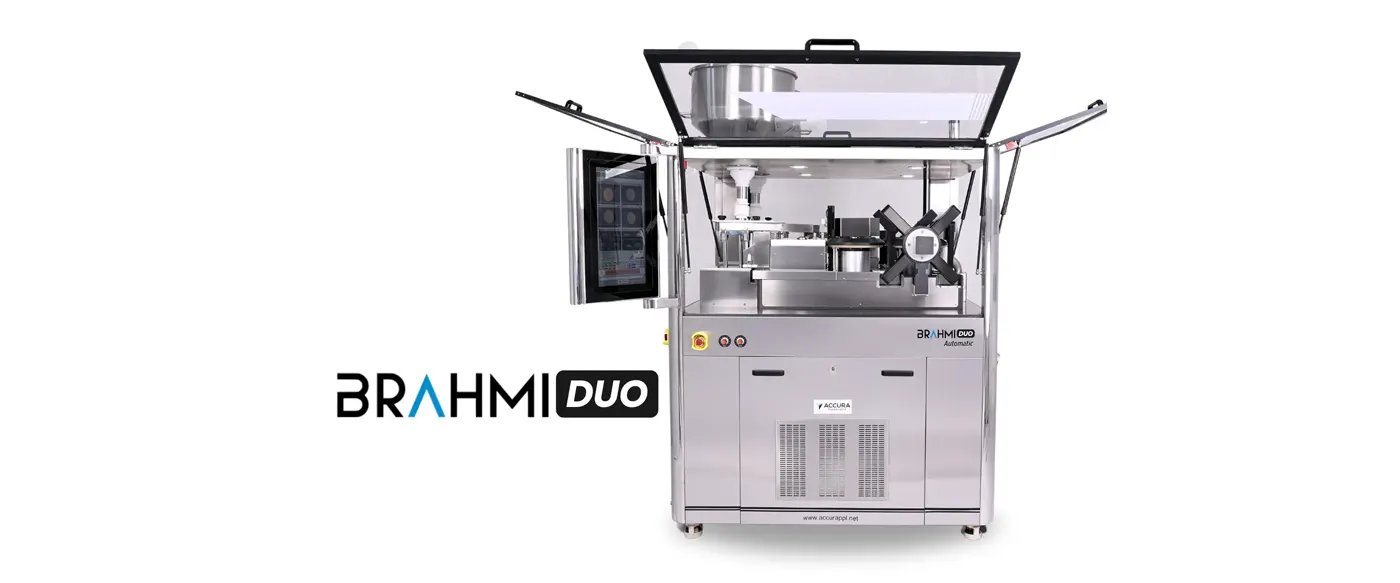
Precision, efficiency and adherence to regulatory requirements are essential in the manufacture o...
Read More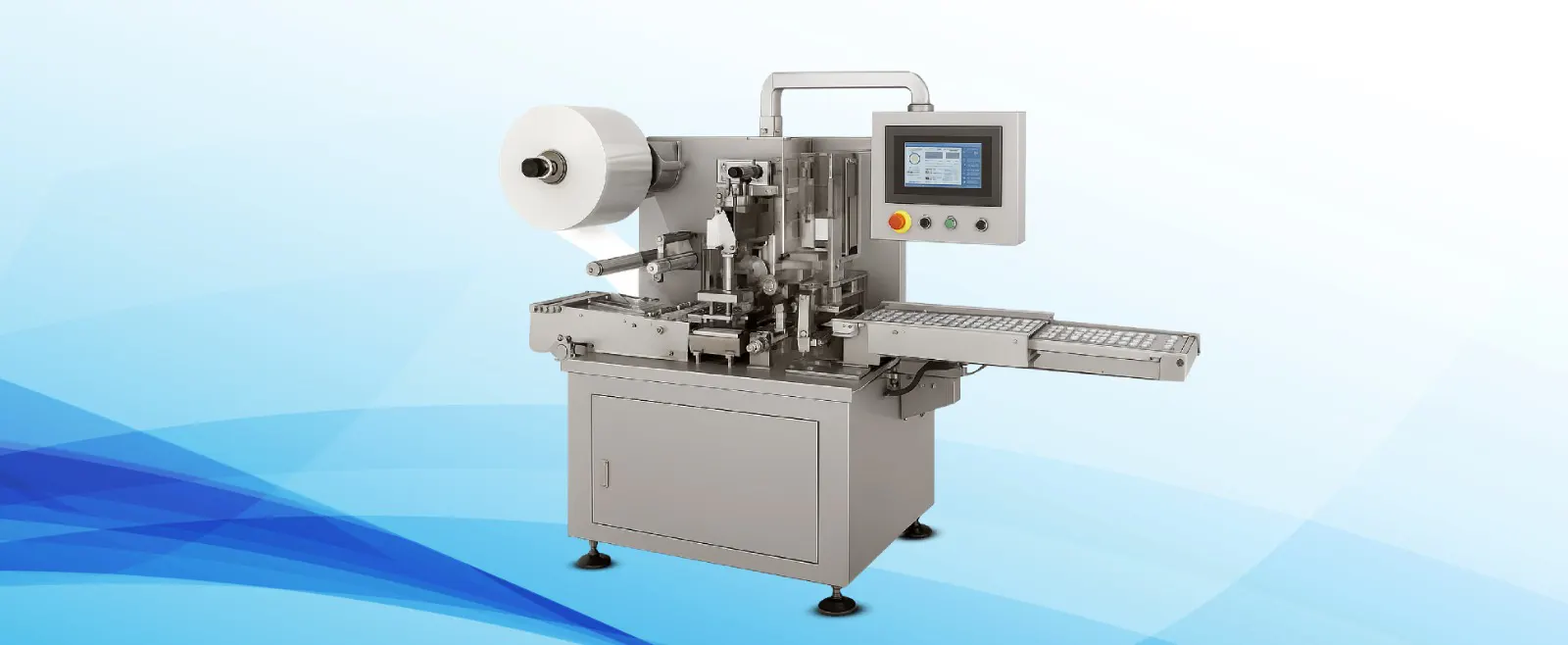
Strip packing is the most preferred and high-volume method of packaging solid oral dose forms, in...
Read More
Pharmaceutical and nutraceutical manufacturers need to accurately count tablets and capsules to g...
Read More
Blister packaging plays a significant function in product safety, correct dosing, and consumer co...
Read More
Within pharma production, accuracy and productivity are not an option. Among the most critical bu...
Read More
Nutraceutical and pharmaceutical production quality assurance is a no-compromise necessity. Ensur...
Read More
Deblistering machines play a vital role in pharmaceutical production by ensuring that tablet and ...
Read More
With the speed of the world accelerating further, efficiency and hygiene are increasingly importa...
Read More
In the pharmaceutical industry, packaging is not just about presentation, it is a critical part o...
Read More
Have you ever wonder why automated inspection is no longer optional and how Automatic Tablet and ...
Read More
Quality control in pharmaceuticals isn’t just a step — it’s the heart of safe medication. Every p...
Read More
Enhancing Pharmaceutical Quality Control with Brahmi: The Best Tablet and Capsule Sorter. Common ...
Read More
In pharmaceutical manufacturing, quality control is essential. The safety of medicines depends on...
Read More
Suppose a scenario. A shipment of pills departs a pharma plant. They don’t know it, but som...
Read More
Accura Pharmaquip continues to lead the charge in pharmaceutical quality inspection technology wi...
Read More
The Revolutionary Brahmi DUO (Automatic Tablet and Capsule Inspection Machine) working principle:...
Read More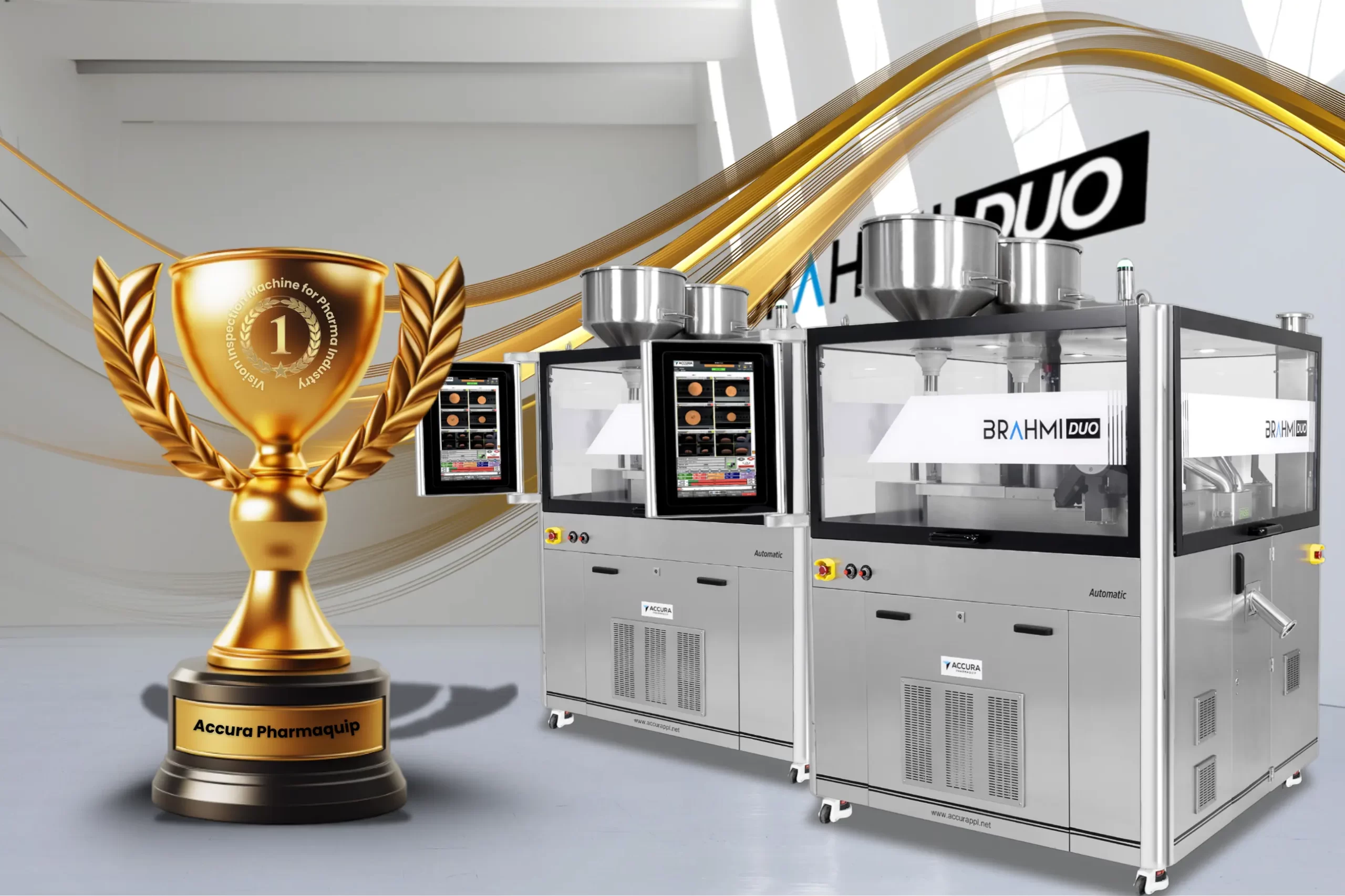
Brahmi DUO (Automatic tablet and capsule inspection machine): Revolutionizing Pharmaceutical Qual...
Read More
Protect Your Brand: By Detecting Defective Capsules in Production: In the ever-evolving pharmaceu...
Read More
Drona: The Innovative Product Elevator Transforming the Pharmaceutical Industry. In an era where ...
Read More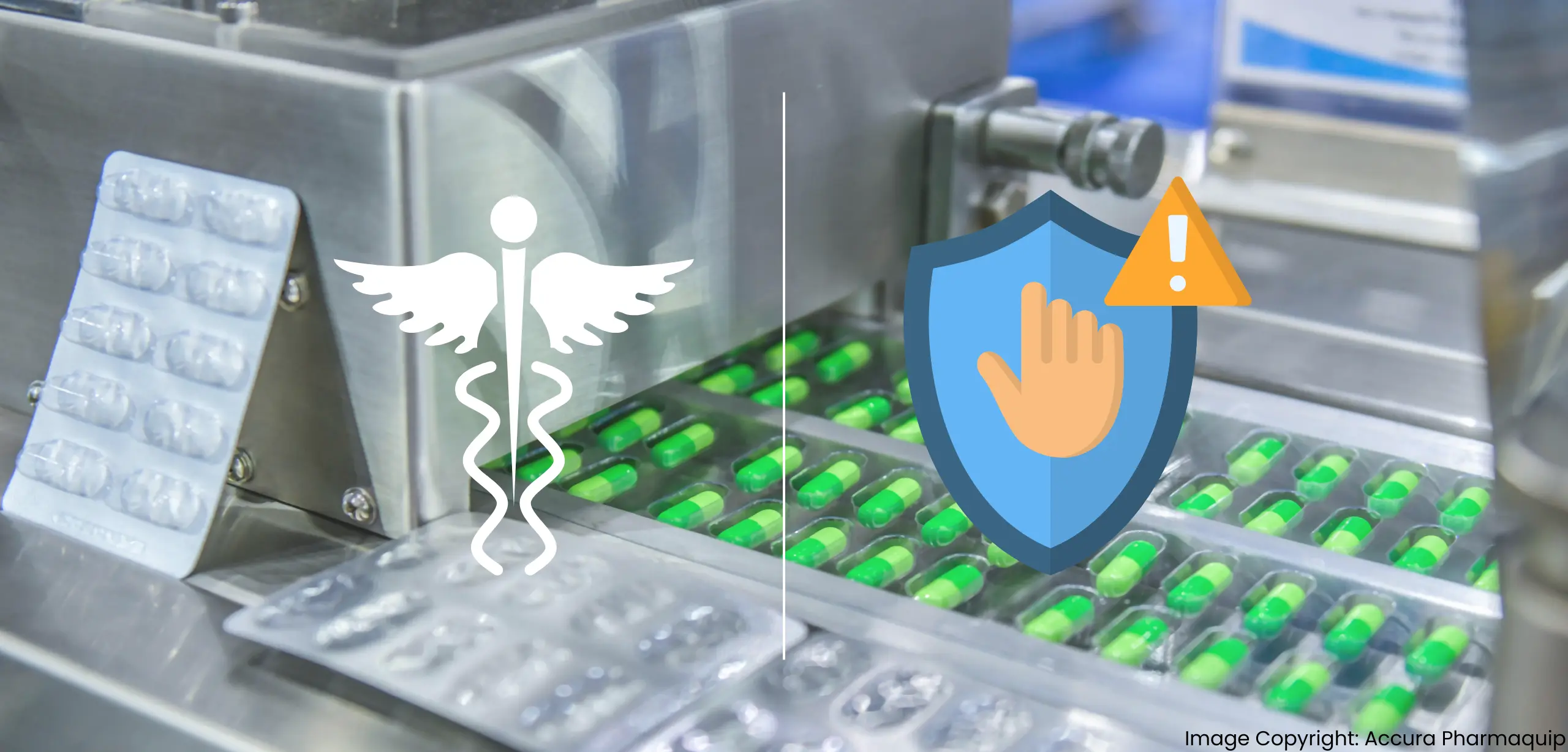
Pharmaceutical companies have a crucial responsibility to ensure that their products are of the h...
Read More
Why is quality assurance critical in pharmaceutical production? Why is it so crucial for pharmace...
Read More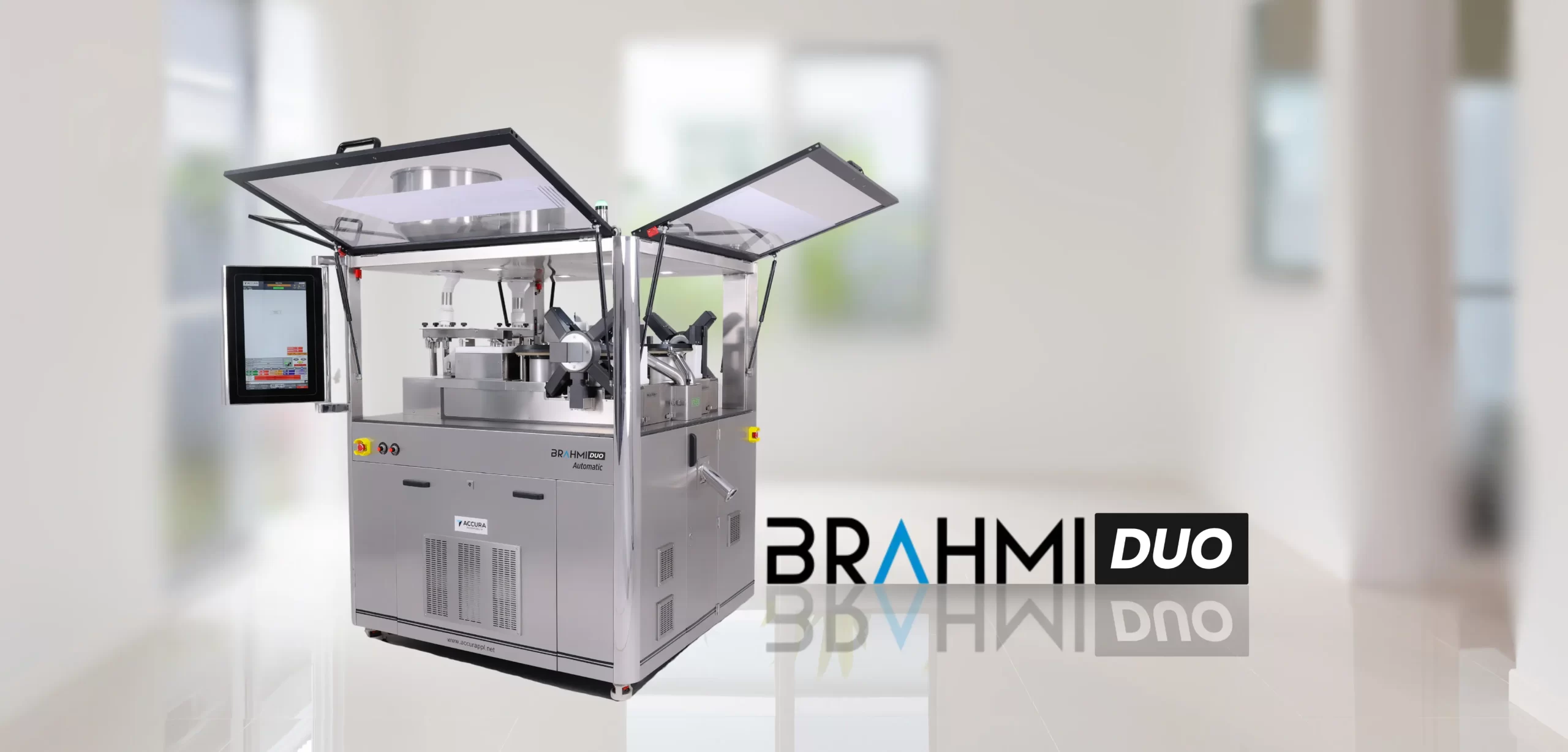
In the fast-paced world of pharmaceutical manufacturing, quality control is paramount. Every tabl...
Read More
In the pharmaceutical industry, the inspection of pills is a crucial step in ensuring the quality...
Read More
Accura Pharmaquip is a leading provider of advanced vision inspection systems for the pharmaceuti...
Read More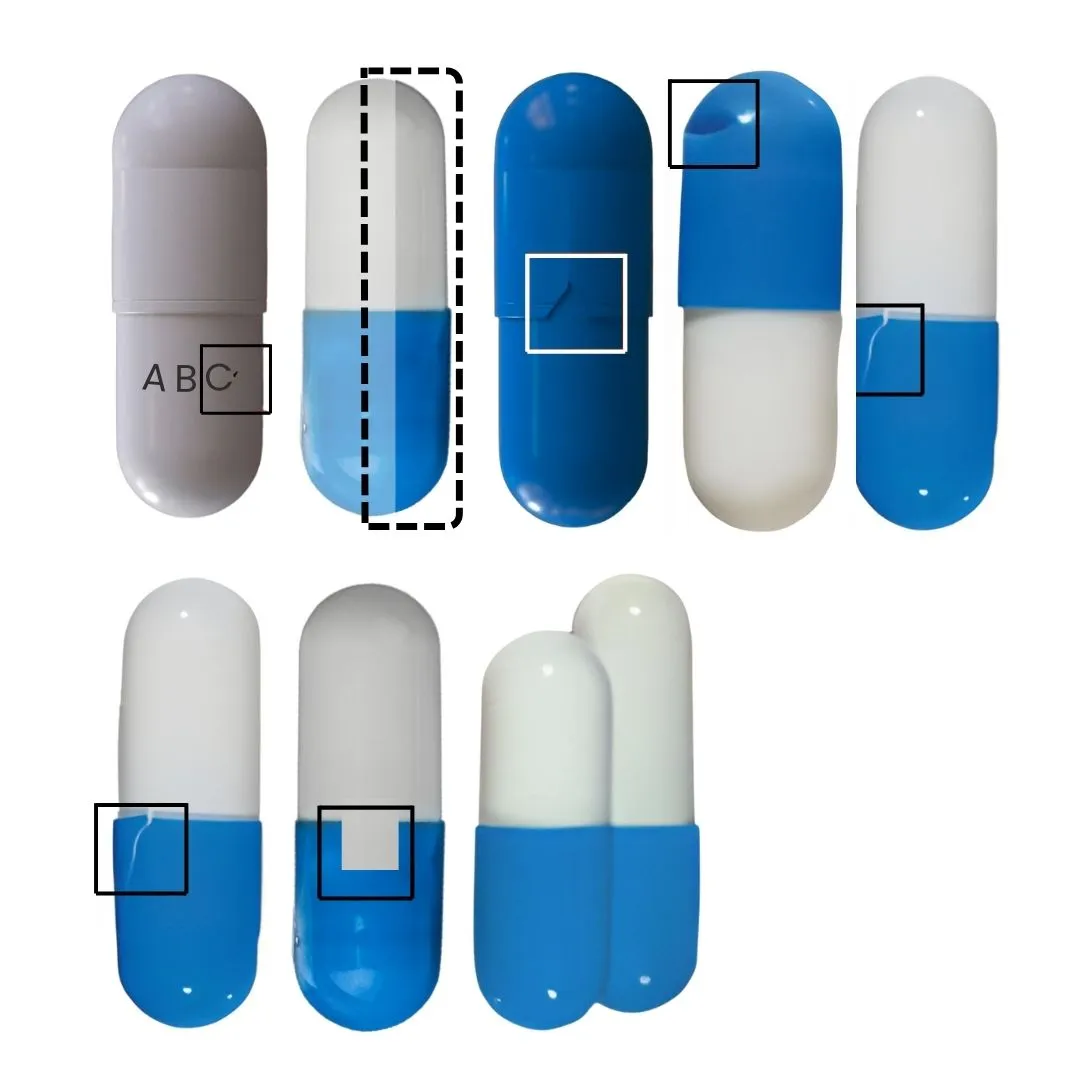
A View on the Most Popular and COMMON HARD GEL CAPSULE DEFECTS and Its Reasons. In the world of p...
Read More
25 compelling reasons to use ACCURA PHARMAQUIP’s automatic tablet and capsule inspection ma...
Read More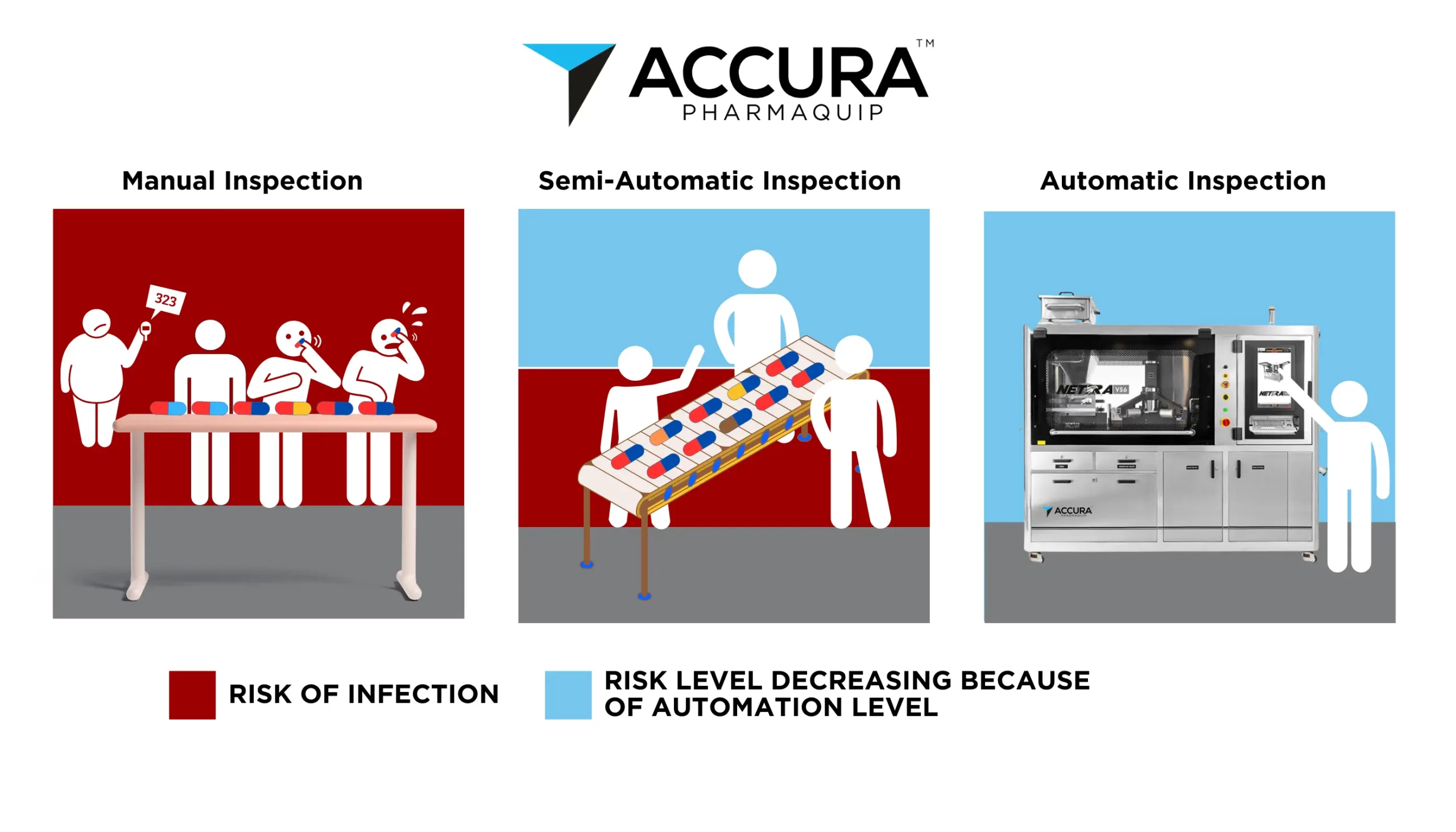
Amid the COVID-19 pandemic and other potential global health crises, the pharmaceutical industry ...
Read More
Accura Pharmaquip, a leading provider of tablet and capsule inspection technology, has been revol...
Read More
Why is 21 CFR Part 211 so crucial for the pharma industry? In the pharmaceutical industry, ensuri...
Read More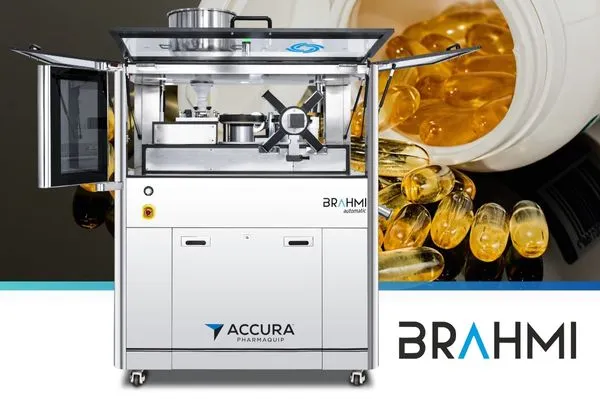
In today’s fast-paced pharmaceutical industry, quality control is of utmost importance. The...
Read More
Thanks for visiting our booth and for showing your interest. We were excited to present at ARAB P...
Read More
NETRA VS6 is the solution for automatic tablet and capsule inspection in the pharma industry. Our...
Read More
Accura Pharmaquip understands the critical importance of quality control in the pharmaceutical an...
Read More
 May 23, 2026