

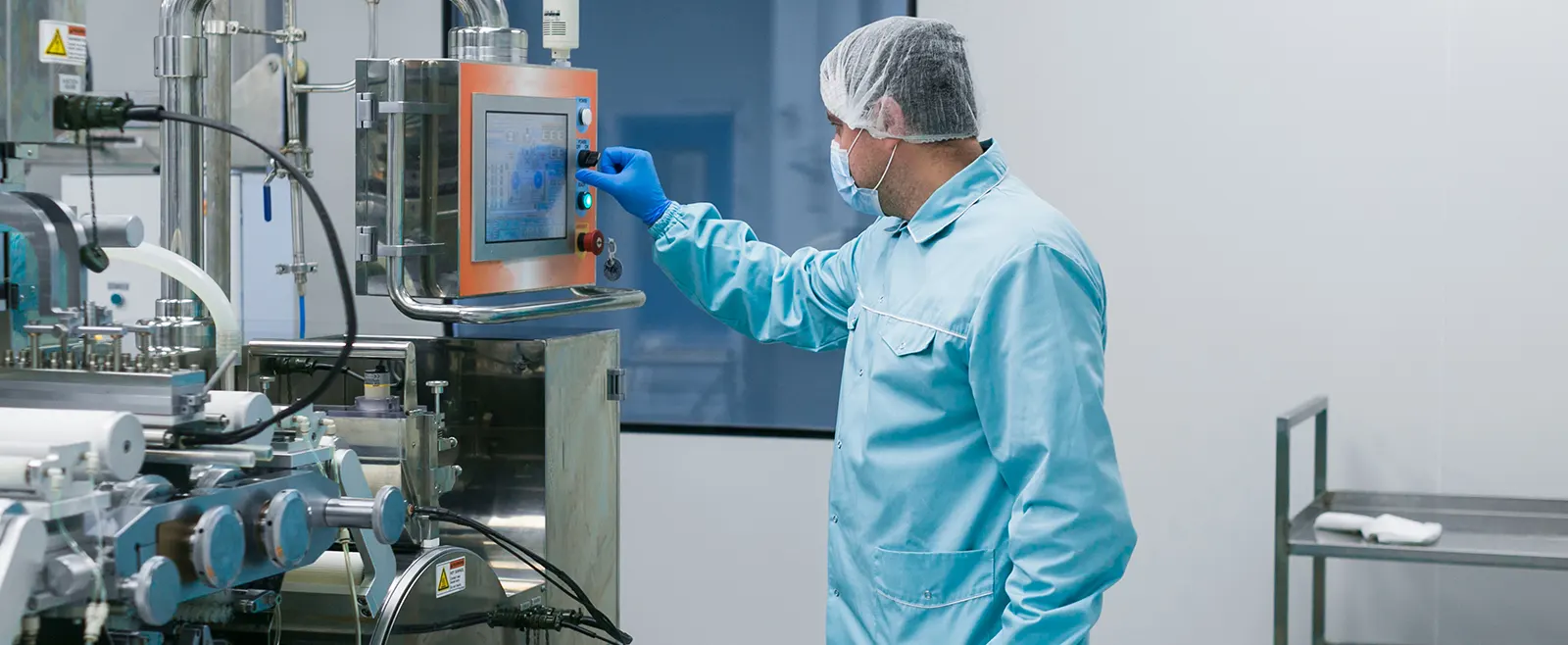
Ensuring that all of the drug ampules produced for injection are complete and meet the required quality specifications is crucial to protecting patients and meeting regulatory requirements. Historically, manual inspection of each individual ampule was performed with visual examination; although there were many negative aspects of this process, such as variability, potential for operator fatigue, which could lead to errors, and general inefficiencies. The increasing demand for the pharmaceutical manufacturing industry to produce products at increasingly higher levels of precision and faster has prompted manufacturers to utilize Automatic Ampoule Inspection Machines (AAM) to perform their quality assurance inspections. This article will be a general overview of what an AAM is, how it functions and why AAMs are so critical to the Pharmaceutical Manufacturing Industry.
A fully automated ampoule inspection system has the ability to inspect ampoules at very high speeds using advanced technology to measure the integrity of the ampoule by identifying defects. These systems are primarily used for assurance that all ampoules meet the strictest quality specifications before entering into the manufacturing process.
The types of defect identification include:
Inspection machines designed for automatic inspection of ampoules have been developed into a variety of configurations based on the requirements of the manufacturing process:
These machines are widely used across:
A series of inspection steps is implemented to allow a thorough examination of each ampoule as it moves through the inspection process:
Trays or bulk feeders introduce ampoules into the machine, orientation devices then ensure that each ampoule will face the camera in the correct position (the proper orientation is required to obtain consistent inspection coverage).
After being properly oriented, the ampoules are spun at a high speed to create turbulence within the liquid contained in the ampoule. The turbulence created by spinning the ampoules helps to expose particulate contaminants present in the solution (particulates may remain hidden in the solution when static).
A variety of lighting methods are used in conjunction with high-resolution cameras to clearly show details of the ampoule as well as to make defects more easily visible:
Since each type of lighting will help identify specific types of defects, they can be combined to provide a complete inspection.
Image Capture & Real-Time Analysis
The analytical results will be used to classify each ampoule in one of two categories, either acceptable or unacceptable. The use of artificial intelligence-based decision-making can significantly reduce the number of rejected samples that are not actually defective, therefore enhancing operational performance. Regulatory requirements related to quality control within the pharmaceutical industry have been met to ensure that no ampoule that may be defective is allowed to advance through the manufacturing process.
Those ampoules identified as being non-conforming due to a defect are mechanically or pneumatically rejected from the manufacturing line. Those ampoules that were classified as conforming are directed to the packaging areas without disrupting the normal flow of products on the manufacturing floor.
Automated Ampoule Inspection Machines are necessary to help in the following ways:
Automatic ampoule inspection machines are used by a variety of industries beyond typical pharmaceutical injectable applications:
These inspection machines can be applied to inspect both clear, tinted and amber glass ampoules that meet the required levels of protection for each of these products.
The integration of Automatic Inspection Machines is seamless in production line processes:
The automatic ampoule inspection equipment increases operational productivity in the following ways:
Pharmaceutical ampoule inspection machines are a must-have for pharmaceutical companies that manufacture injectable products for patient safety. Vision systems, combined with smart software, have dramatically improved the consistency and reliability of inspections compared to manually inspecting each item. Pharmaceutical manufacturing companies looking to comply with regulations and improve the safety of their products now have no option other than using these automation systems to accomplish this goal.

In drug manufacturing, the focus on quality contro...
Read MorePacking line conveyor are an excellent solution fo...
Read More
Automatic Inspection Systems are an integral part ...
Read More
Regulatory compliance is mandatory in Solid Dosage...
Read More

In drug manufacturing, the focus on quality control is paramount. The presence of one defe...
Read More
Packing line conveyor are an excellent solution for eliminating inefficiencies created in ...
Read More
Automatic Inspection Systems are an integral part of today’s Pharmaceutical Manufact...
Read More
Regulatory compliance is mandatory in Solid Dosage Manufacturing as a means of protecting ...
Read More
Liquid drug products require very high levels of quality and precision. Microscopic contamination...
Read More
Automated inspection of injectable vials, vaccine vials, biologic vials and many other high value...
Read More
In the glass packaging industry, maintaining high-quality standards is essential. Whether used fo...
Read More
The pharmaceutical industry requires tablets produced at its highest possible quality to protect ...
Read More
Quality assurance in the pharmaceutical industry is not simply a legal requirement; it is a moral...
Read More
Precision, efficiency and adherence to regulatory requirements are essential in the manufacture o...
Read More
Strip packing is the most preferred and high-volume method of packaging solid oral dose forms, in...
Read More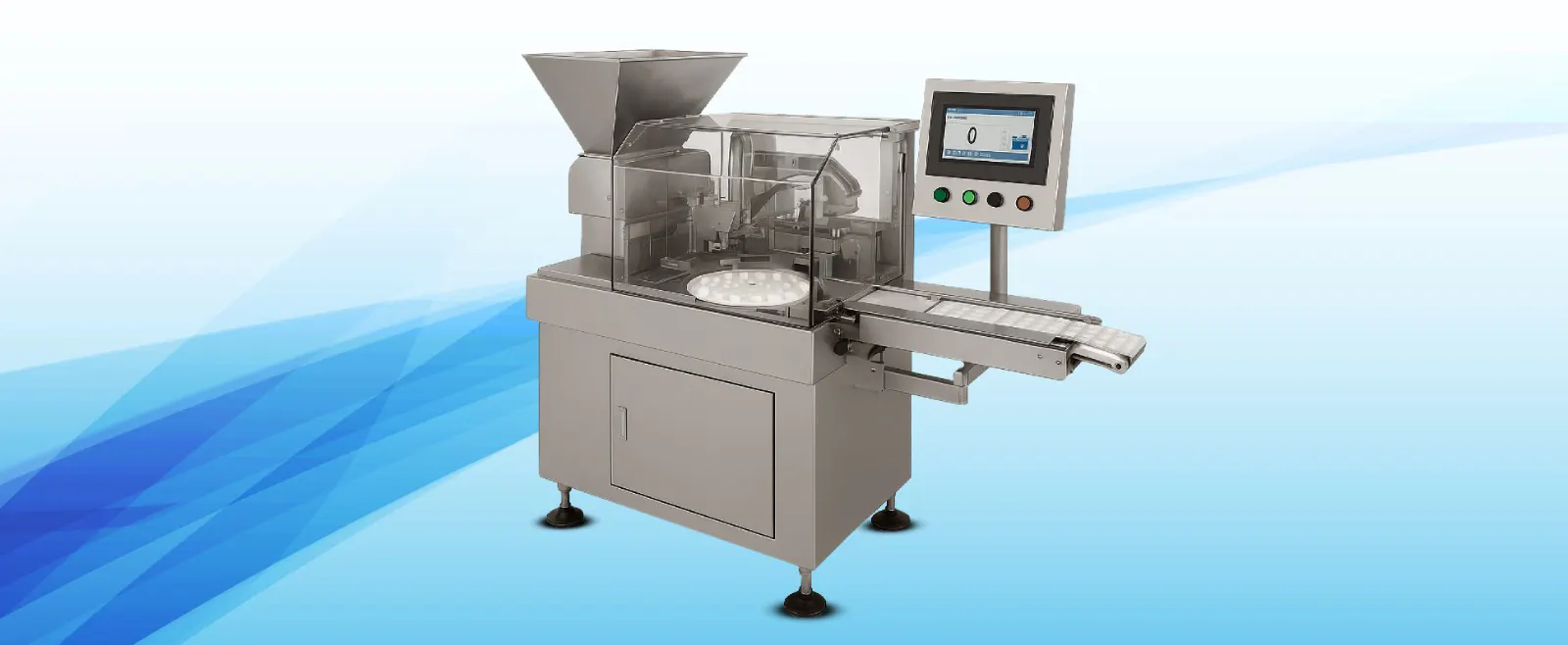
Pharmaceutical and nutraceutical manufacturers need to accurately count tablets and capsules to g...
Read More
Blister packaging plays a significant function in product safety, correct dosing, and consumer co...
Read More
Within pharma production, accuracy and productivity are not an option. Among the most critical bu...
Read More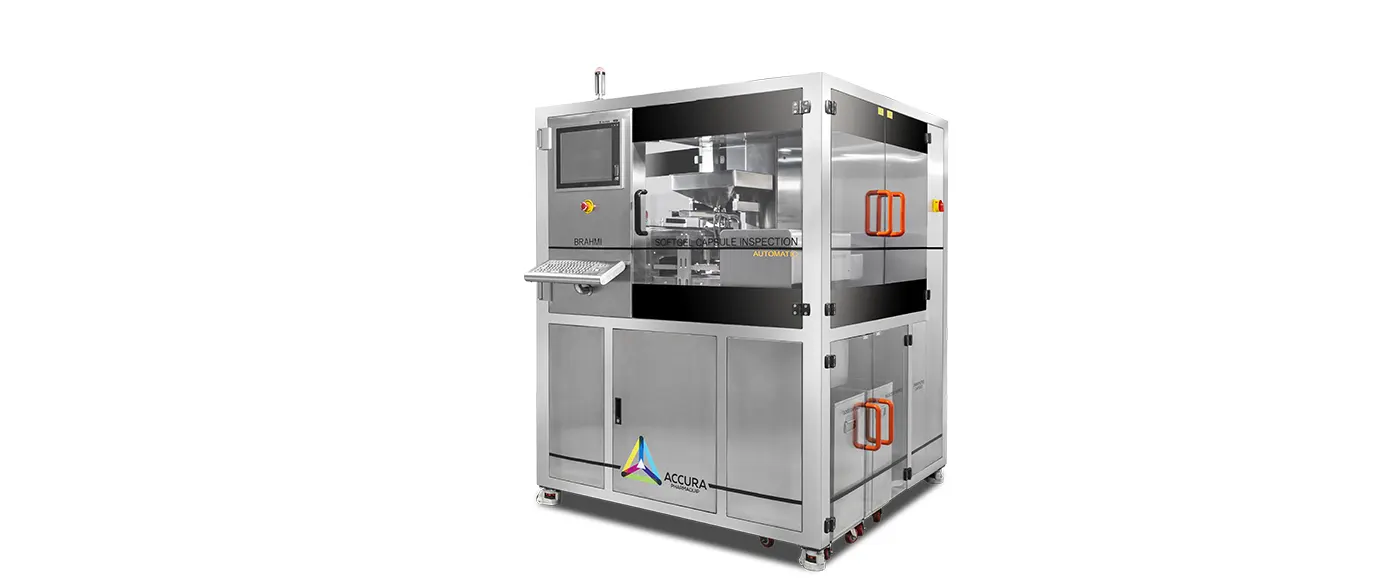
Nutraceutical and pharmaceutical production quality assurance is a no-compromise necessity. Ensur...
Read More
Deblistering machines play a vital role in pharmaceutical production by ensuring that tablet and ...
Read More
With the speed of the world accelerating further, efficiency and hygiene are increasingly importa...
Read More
In the pharmaceutical industry, packaging is not just about presentation, it is a critical part o...
Read More
Have you ever wonder why automated inspection is no longer optional and how Automatic Tablet and ...
Read More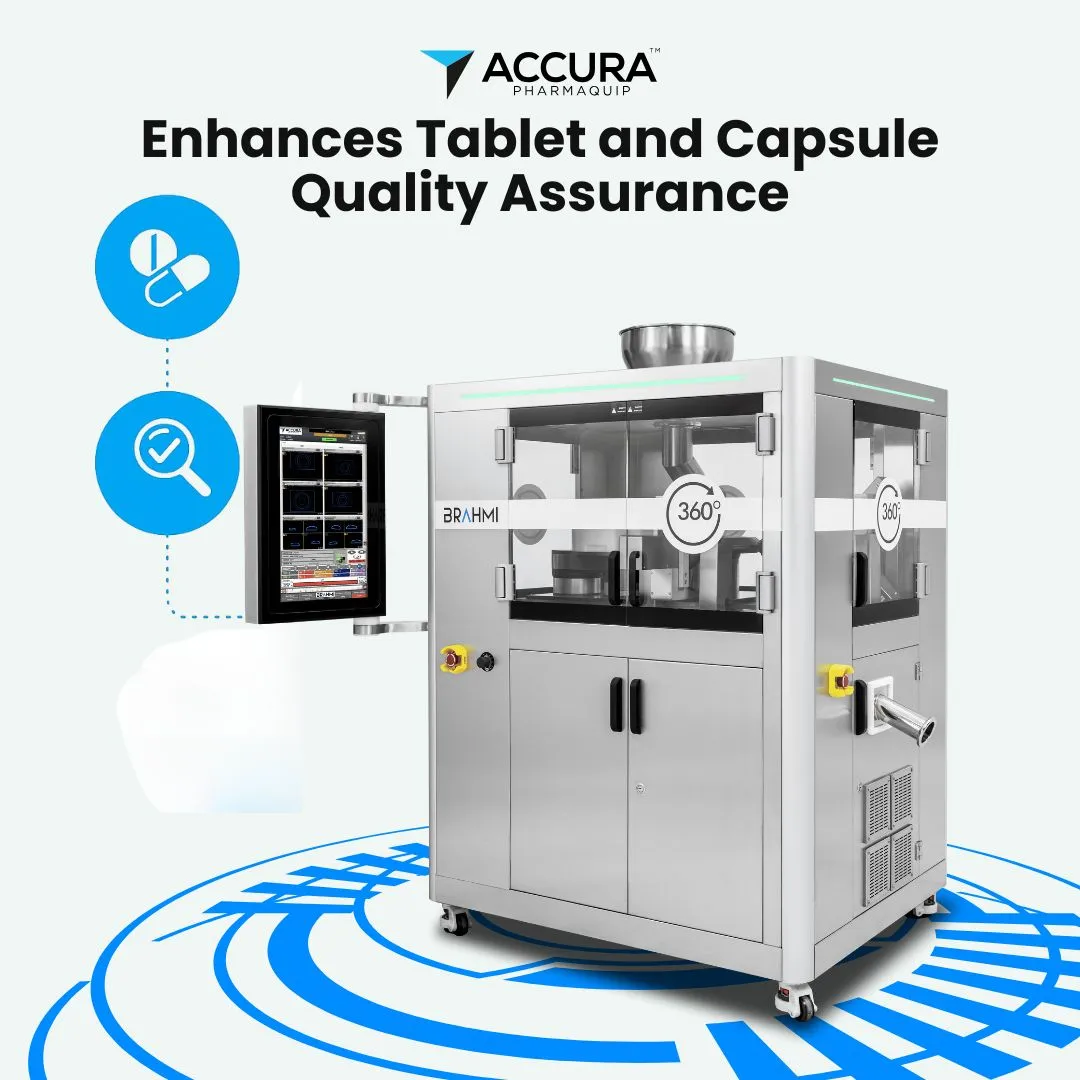
Quality control in pharmaceuticals isn’t just a step — it’s the heart of safe medication. Every p...
Read More
Enhancing Pharmaceutical Quality Control with Brahmi: The Best Tablet and Capsule Sorter. Common ...
Read More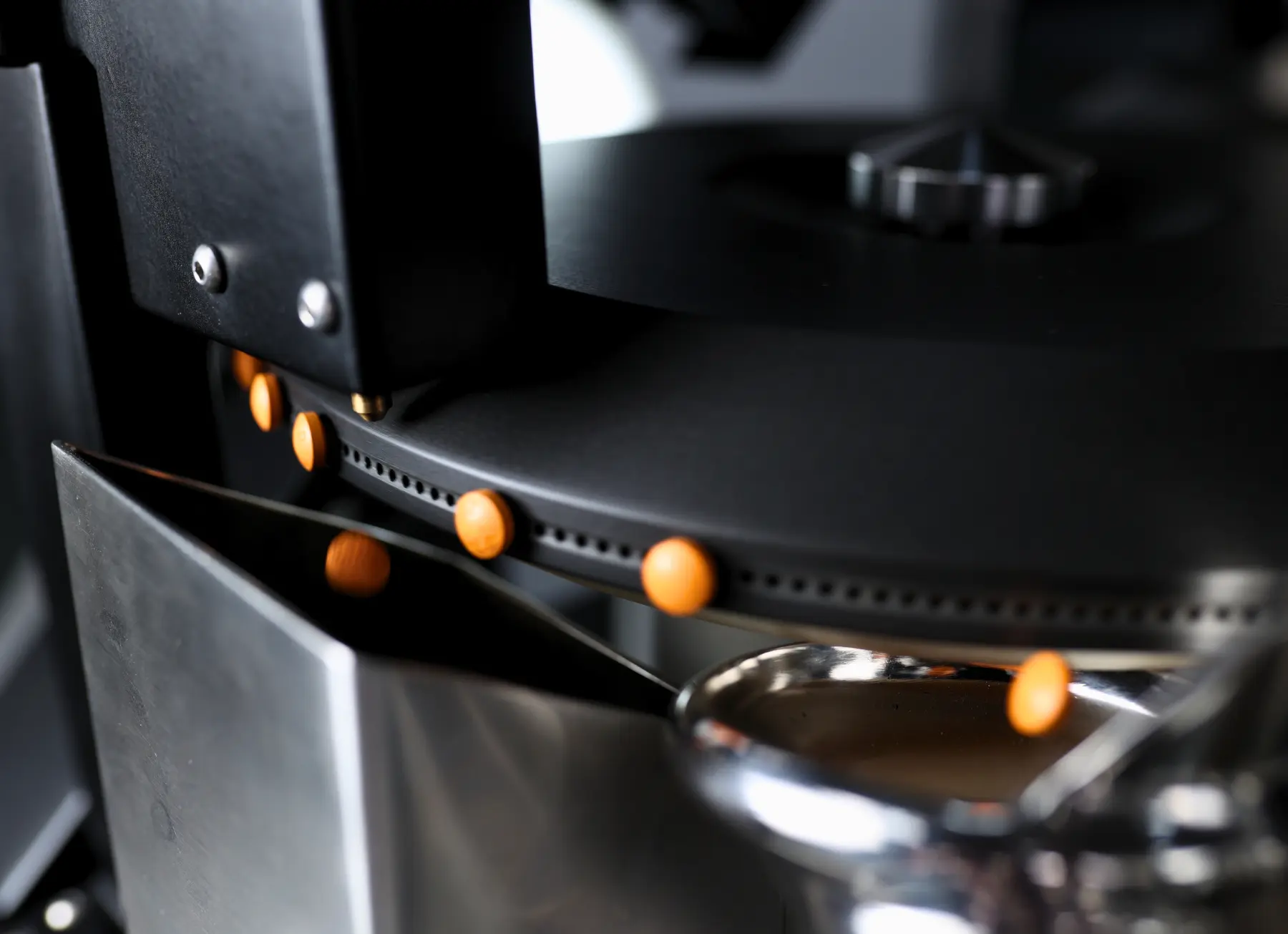
In pharmaceutical manufacturing, quality control is essential. The safety of medicines depends on...
Read More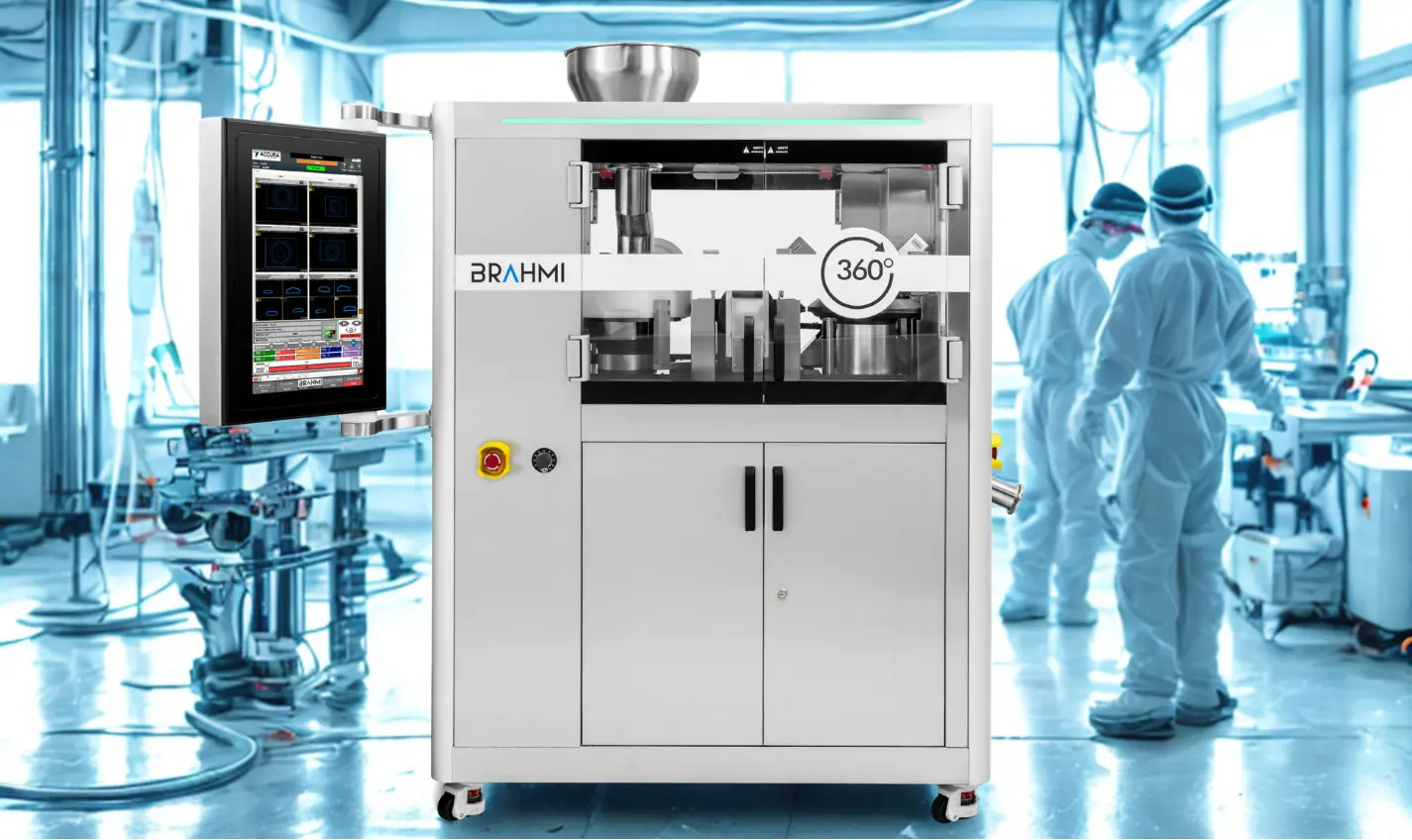
Suppose a scenario. A shipment of pills departs a pharma plant. They don’t know it, but som...
Read More
Accura Pharmaquip continues to lead the charge in pharmaceutical quality inspection technology wi...
Read More
The Revolutionary Brahmi DUO (Automatic Tablet and Capsule Inspection Machine) working principle:...
Read More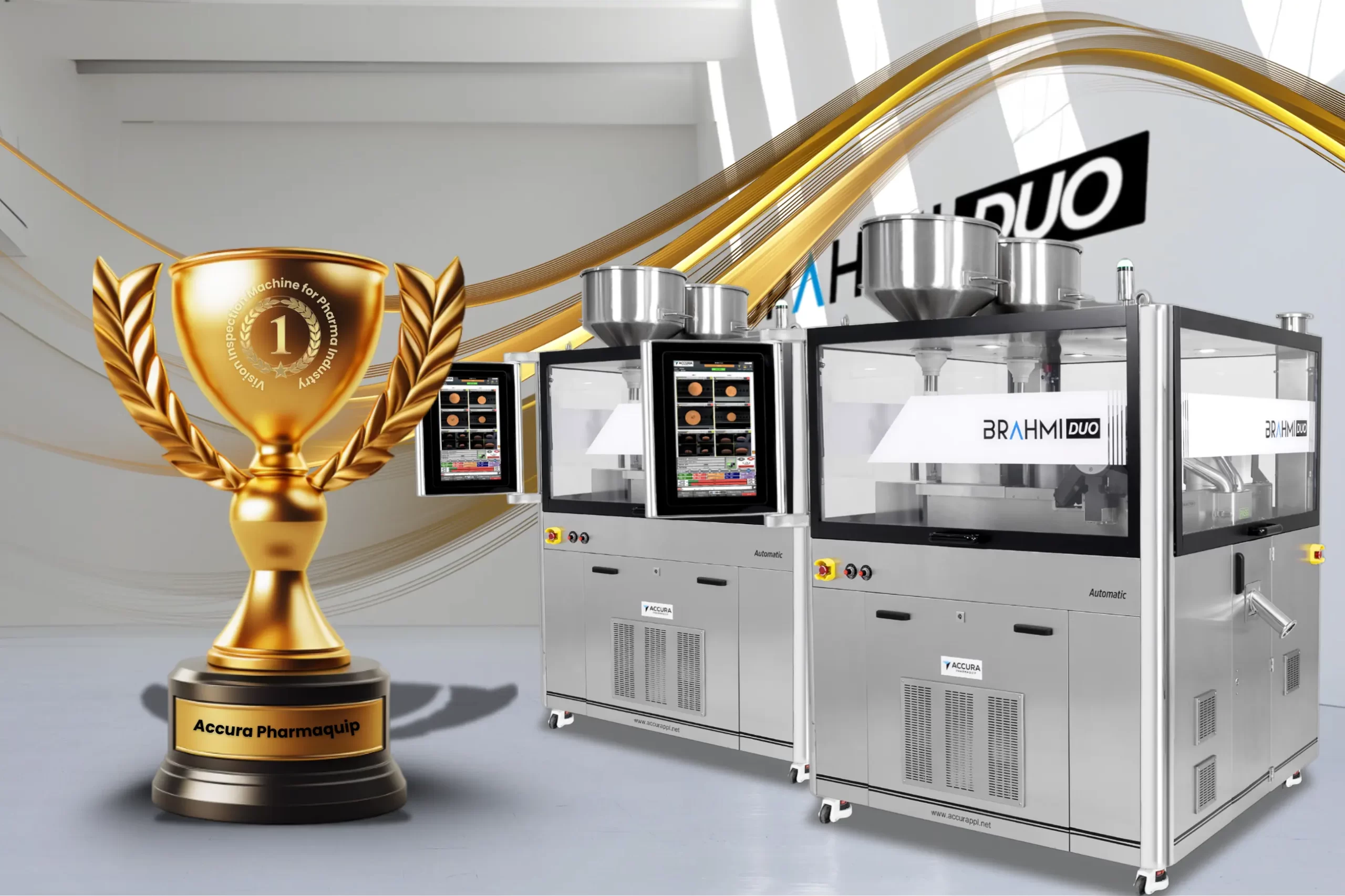
Brahmi DUO (Automatic tablet and capsule inspection machine): Revolutionizing Pharmaceutical Qual...
Read More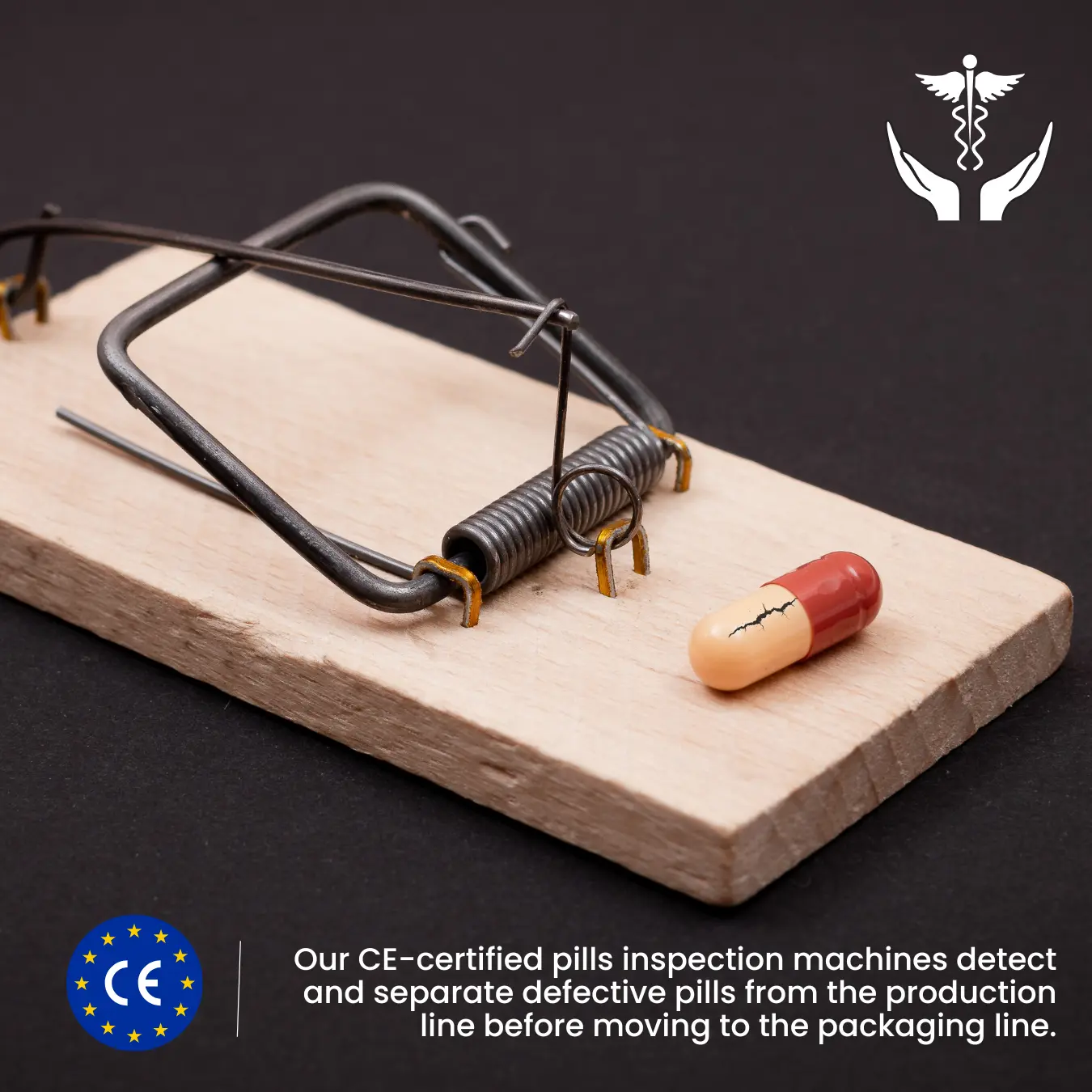
Protect Your Brand: By Detecting Defective Capsules in Production: In the ever-evolving pharmaceu...
Read More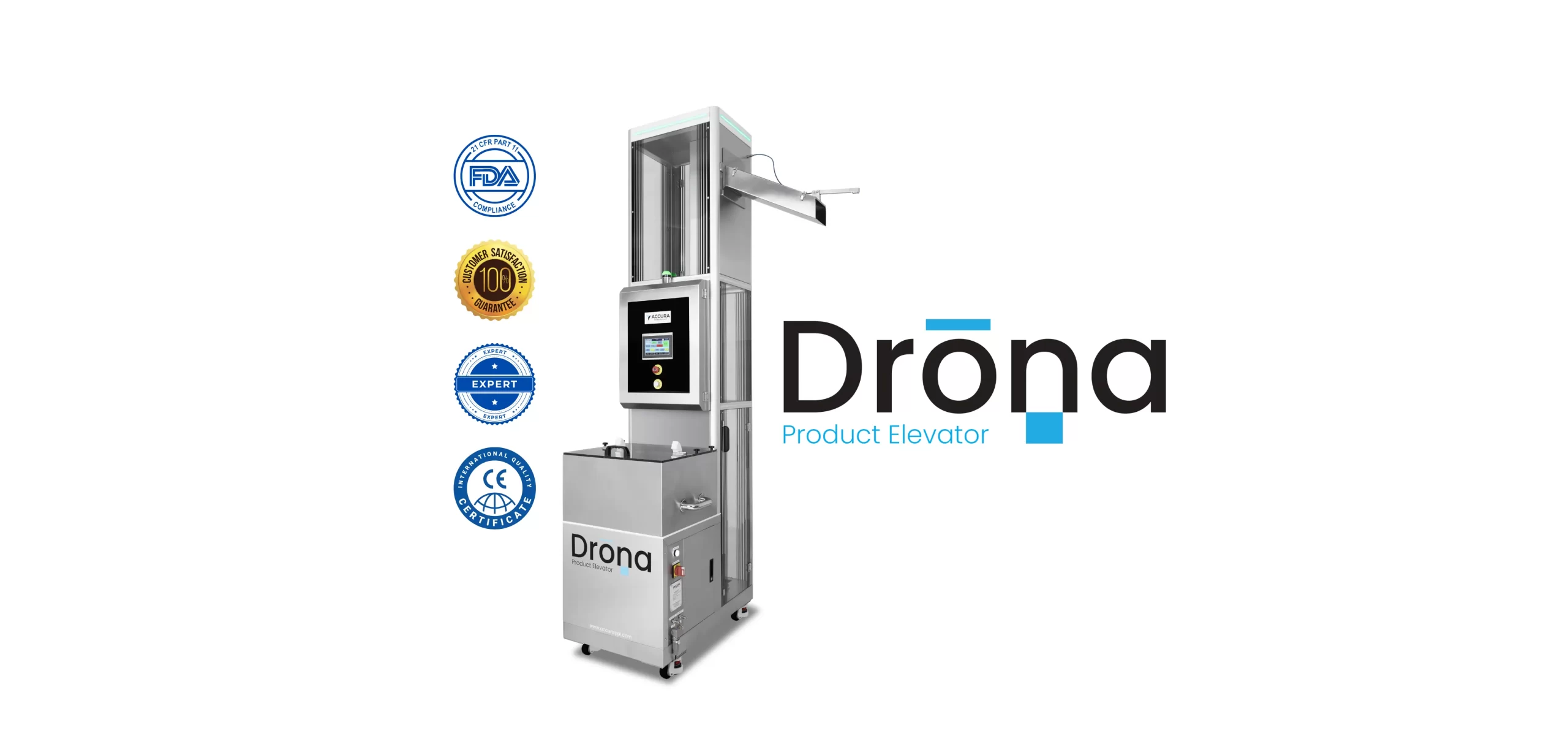
Drona: The Innovative Product Elevator Transforming the Pharmaceutical Industry. In an era where ...
Read More
Pharmaceutical companies have a crucial responsibility to ensure that their products are of the h...
Read More
Why is quality assurance critical in pharmaceutical production? Why is it so crucial for pharmace...
Read More
In the fast-paced world of pharmaceutical manufacturing, quality control is paramount. Every tabl...
Read More
In the pharmaceutical industry, the inspection of pills is a crucial step in ensuring the quality...
Read More
Accura Pharmaquip is a leading provider of advanced vision inspection systems for the pharmaceuti...
Read More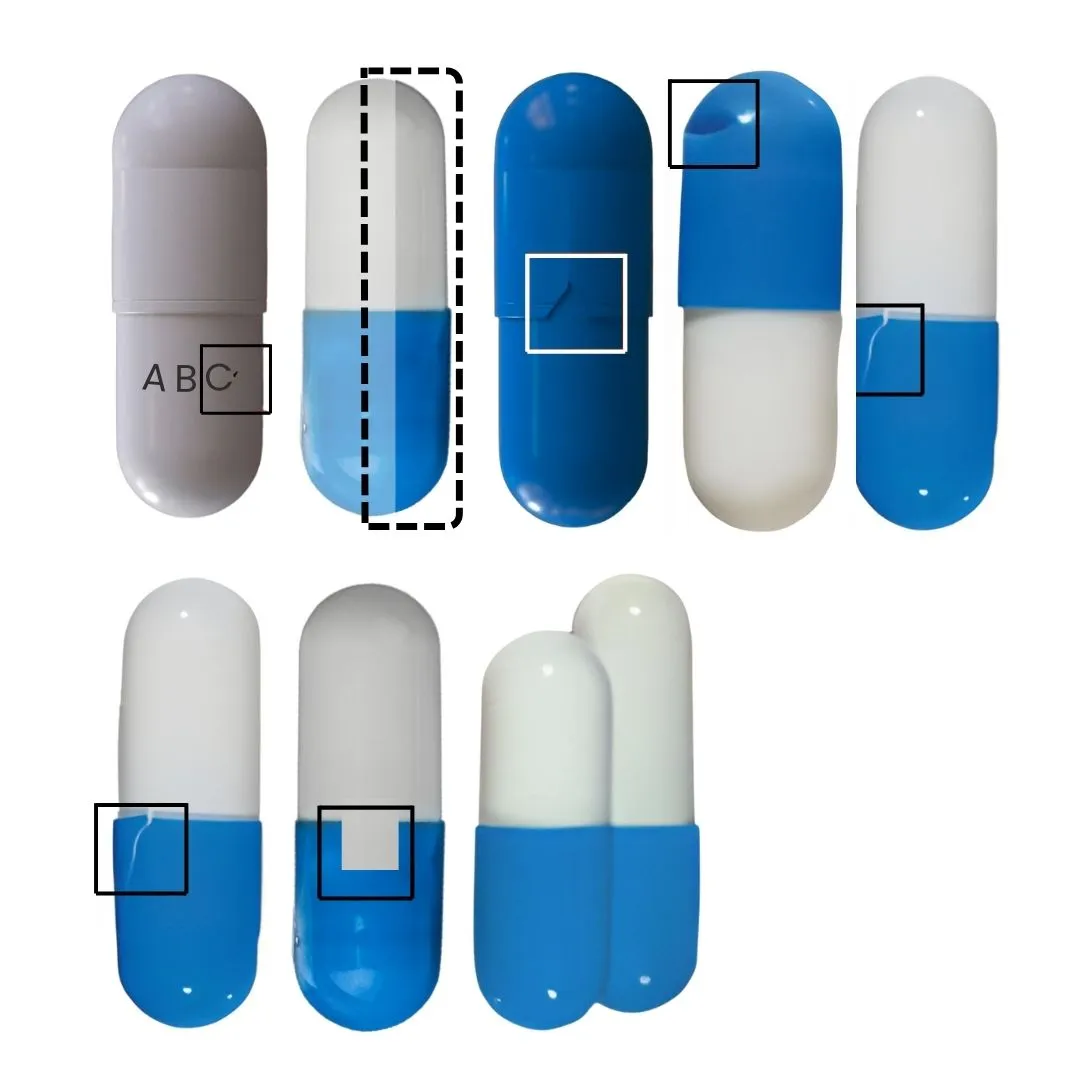
A View on the Most Popular and COMMON HARD GEL CAPSULE DEFECTS and Its Reasons. In the world of p...
Read More
25 compelling reasons to use ACCURA PHARMAQUIP’s automatic tablet and capsule inspection ma...
Read More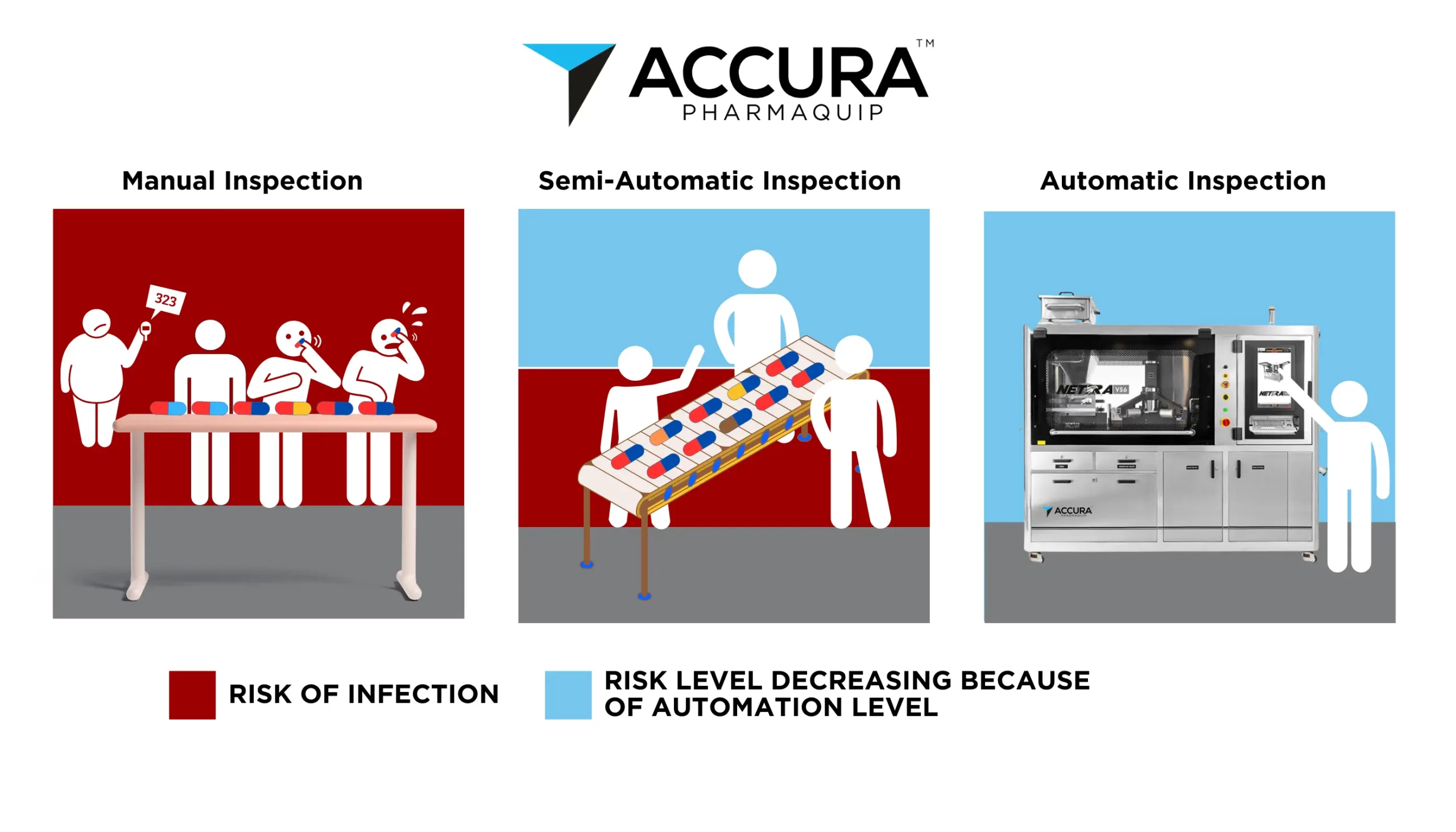
Amid the COVID-19 pandemic and other potential global health crises, the pharmaceutical industry ...
Read More
Accura Pharmaquip, a leading provider of tablet and capsule inspection technology, has been revol...
Read More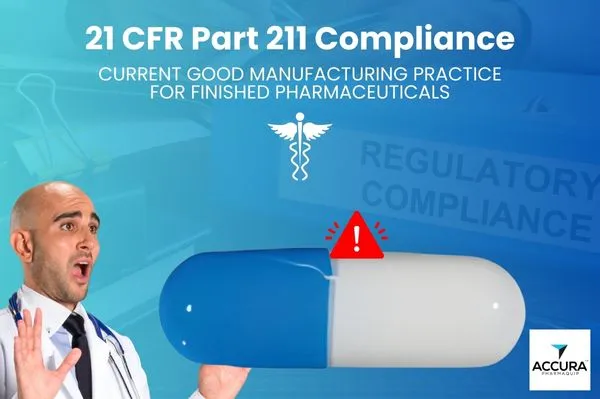
Why is 21 CFR Part 211 so crucial for the pharma industry? In the pharmaceutical industry, ensuri...
Read More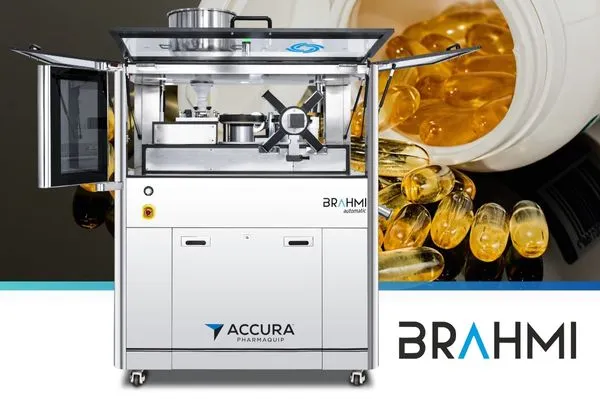
In today’s fast-paced pharmaceutical industry, quality control is of utmost importance. The...
Read More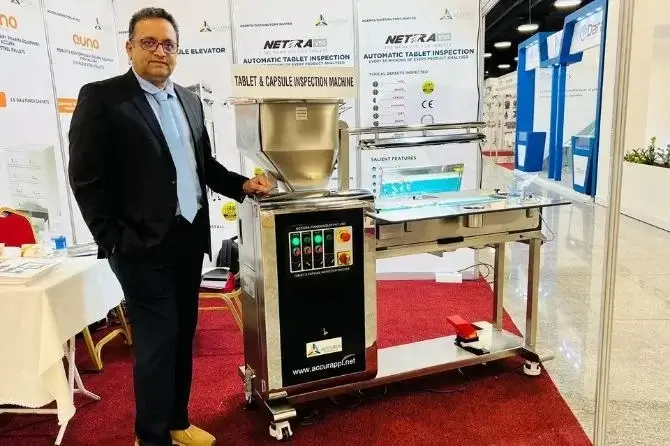
Thanks for visiting our booth and for showing your interest. We were excited to present at ARAB P...
Read More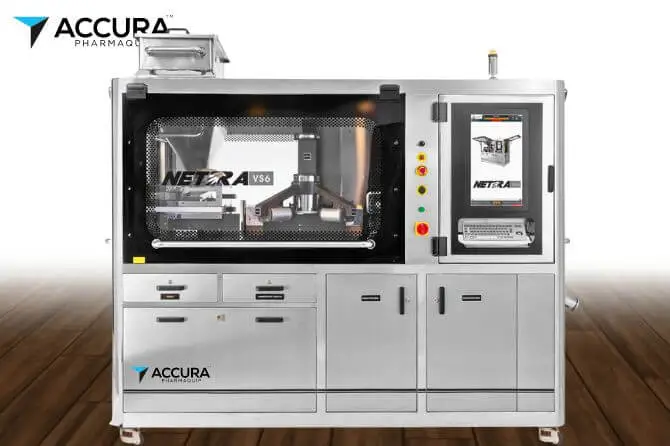
NETRA VS6 is the solution for automatic tablet and capsule inspection in the pharma industry. Our...
Read More
Accura Pharmaquip understands the critical importance of quality control in the pharmaceutical an...
Read More
 Dec 18, 2025