

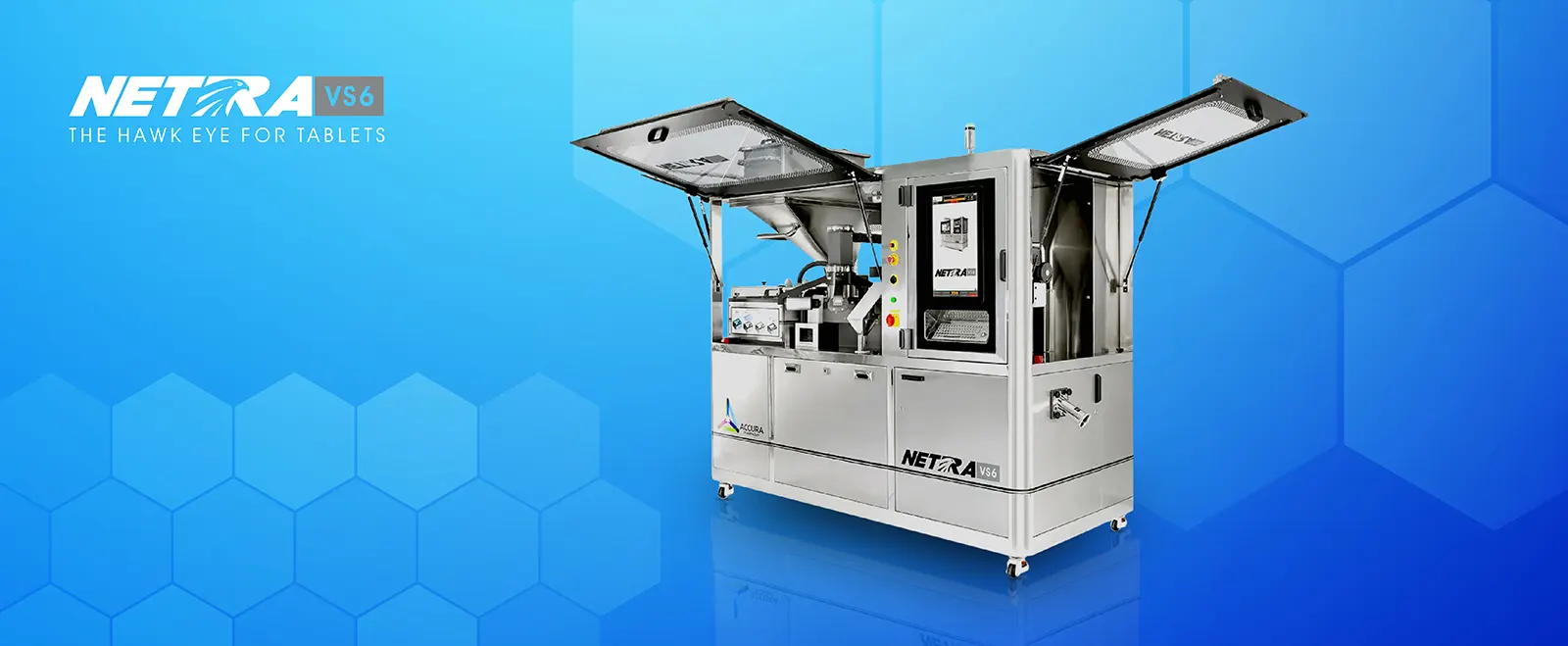
Automatic Inspection Systems are an integral part of today’s Pharmaceutical Manufacturing process for maintaining Tablet/Capsule Quality. These systems perform the last quality check before products go to the patient. With increased regulatory requirements and faster production rates, accurate inspections are now required-not just recommended.
There is a false belief within the Industry that a High-End Camera will provide the most accurate inspections. Cameras do contribute to the overall system, but there is a lot more than just a camera to create an Integrated System known as the “Inspection Triangle”. The Inspection Triangle consists of Lighting, Cameras, Software, etc. Together, these components determine the overall inspection performance of a tablet/capsule inspection system.
Accura Pharmaquip takes a holistic approach to designing an inspection system because each component cannot produce reliable results independently. The remainder of this article discusses how lighting, cameras, and software all interact with each other in a tablet/capsule inspection system, and why it is the integration of these components, not just individually, that provides consistent results.
The automated tablet and capsule inspection system utilizes a standardized process to optimize both the speed and accuracy of each product inspected at the same time, utilizing consistent repeatable processes. The general flow of an automatic tablet/capsule inspection system involves:
Lighting and camera systems, as well as software applications, do not exist as separate processes in an automated system, but work together as a single unit to enable accurate inspection. Properly functioning lighting allows for defects to be visually identified; properly operating cameras allow for usable data to be collected; and properly functioning software allows for the interpretation of that data. Thus, it is essential for all of the various component parts of an automated system to function as one synchronized unit when performing high-speed pharmaceutical inspections.
Lighting is frequently underappreciated, but it is one of the primary factors for determining if you will see an issue at all. The best camera available has no chance to spot an issue that poor lighting prevents from being seen.
Poor lighting can cause:
A well-lit area provides enough contrast to show where your product meets and where it doesn’t meet the specifications of the product; this forms the base upon which the rest of the inspection equipment functions.
There are a variety of ways to view a defective product depending on the type of defect it has:
Pharmaceutical products create a number of unique lighting issues:
Designing lighting for these challenges will require specific designs based upon the characteristics of the pharmaceutical product being inspected, as well as the inspection objective.
High-resolution images are captured by cameras at very high-speeds; some exceeding thousands of products per minute. For this reason, they need to be accurately synchronized with product movement and lighting pulse timing so as to prevent blurring from the motion of the product being inspected and other distortions in the images taken.
Inspection systems commonly utilize the following camera types:
Camera Parameters that are critical in determining an effective inspection include:
Using a camera that is not suitable for inspecting products can result in either missing defects or excessive false rejects, independent of lighting and/or software capabilities.
Raw images are transformed by inspection software into actionable decision-making via a process of:
It is common practice today for modern systems to use a combination of both rule-based and AI systems in order to find an optimal balance between being able to be explained and having a high level of performance.
Software handles:
A synchronized system is the key to true inspection accuracy:
If any step is out of sync, then the stain will be missed.
An integrated inspection system requires continuous calibration:
Continuous calibration is necessary for consistency throughout shifts and batches.
Common problems are:
The answer is to use an integrated approach to designing the overall system so that all of the pieces work together instead of each piece working independently.
Compliance through integrated inspection systems can be achieved as follows:
The software used to provide compliance reporting, data integrity, and traceability represents an important part of compliance.
Emerging trends:
In addition to other areas of inspection technology, these emerging trends demonstrate the increasing importance of system-level integration.
Accuracy in inspections for tablets and capsules is achieved by combining a series of components, including light, cameras, and software, with no single component or failure capable of causing an overall loss of inspection accuracy. A failure in one will cause a total system failure.
To sum it up, the performance of an inspection system is only as good as its weakest link. Manufacturers who use a combined system of inspection design may be able to provide their products with quality assurance, regulatory compliance, and long-term cost savings; principles that are used at Accura Pharmaquip to develop our pharmaceutical inspection systems.

In drug manufacturing, the focus on quality contro...
Read MorePacking line conveyor are an excellent solution fo...
Read More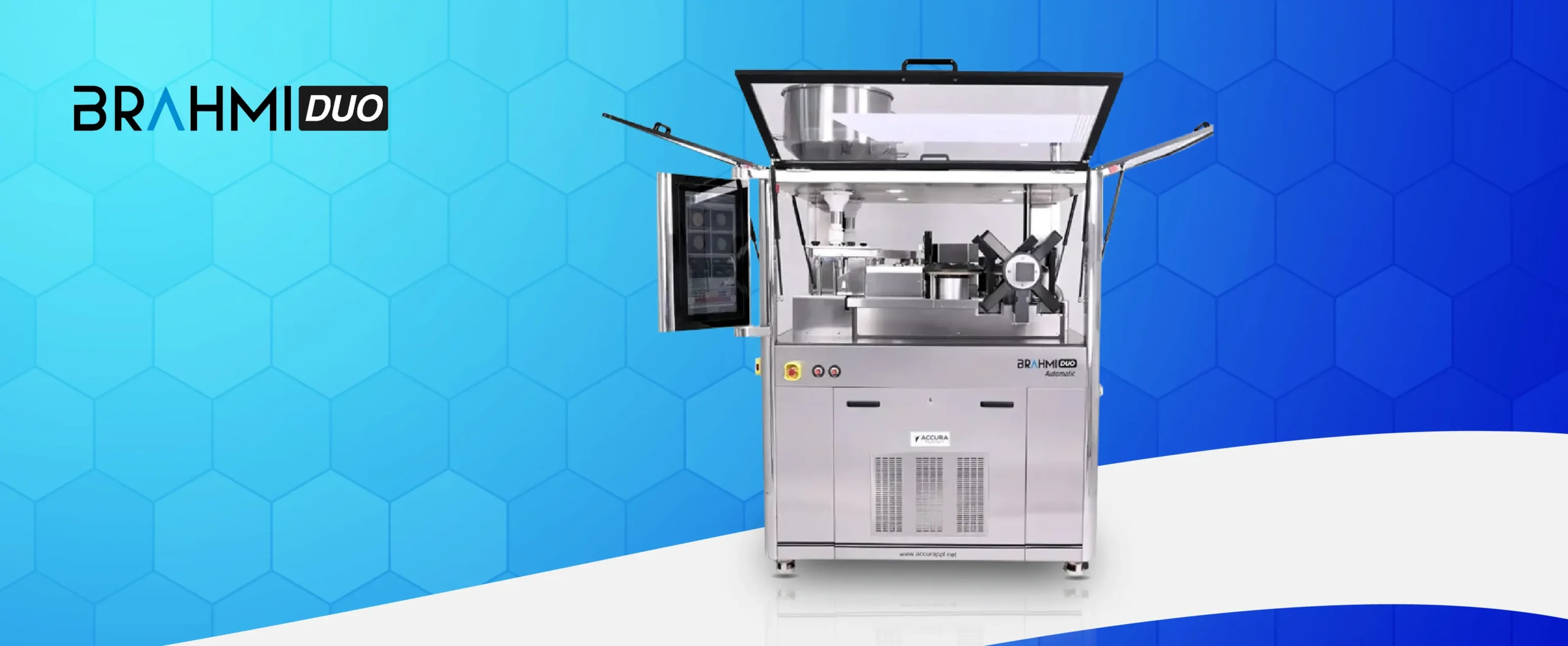
Regulatory compliance is mandatory in Solid Dosage...
Read More
Liquid drug products require very high levels of quality ...
Read More

In drug manufacturing, the focus on quality control is paramount. The presence of one defe...
Read More
Packing line conveyor are an excellent solution for eliminating inefficiencies created in ...
Read More
Regulatory compliance is mandatory in Solid Dosage Manufacturing as a means of protecting ...
Read More
Liquid drug products require very high levels of quality and precision. Microscopic contamination...
Read More
Ensuring that all of the drug ampules produced for injection are complete and meet the required q...
Read More
Automated inspection of injectable vials, vaccine vials, biologic vials and many other high value...
Read More
In the glass packaging industry, maintaining high-quality standards is essential. Whether used fo...
Read More
The pharmaceutical industry requires tablets produced at its highest possible quality to protect ...
Read More
Quality assurance in the pharmaceutical industry is not simply a legal requirement; it is a moral...
Read More
Precision, efficiency and adherence to regulatory requirements are essential in the manufacture o...
Read More
Strip packing is the most preferred and high-volume method of packaging solid oral dose forms, in...
Read More
Pharmaceutical and nutraceutical manufacturers need to accurately count tablets and capsules to g...
Read More
Blister packaging plays a significant function in product safety, correct dosing, and consumer co...
Read More
Within pharma production, accuracy and productivity are not an option. Among the most critical bu...
Read More
Nutraceutical and pharmaceutical production quality assurance is a no-compromise necessity. Ensur...
Read More
Deblistering machines play a vital role in pharmaceutical production by ensuring that tablet and ...
Read More
With the speed of the world accelerating further, efficiency and hygiene are increasingly importa...
Read More
In the pharmaceutical industry, packaging is not just about presentation, it is a critical part o...
Read More
Have you ever wonder why automated inspection is no longer optional and how Automatic Tablet and ...
Read More
Quality control in pharmaceuticals isn’t just a step — it’s the heart of safe medication. Every p...
Read More
Enhancing Pharmaceutical Quality Control with Brahmi: The Best Tablet and Capsule Sorter. Common ...
Read More
In pharmaceutical manufacturing, quality control is essential. The safety of medicines depends on...
Read More
Suppose a scenario. A shipment of pills departs a pharma plant. They don’t know it, but som...
Read More
Accura Pharmaquip continues to lead the charge in pharmaceutical quality inspection technology wi...
Read More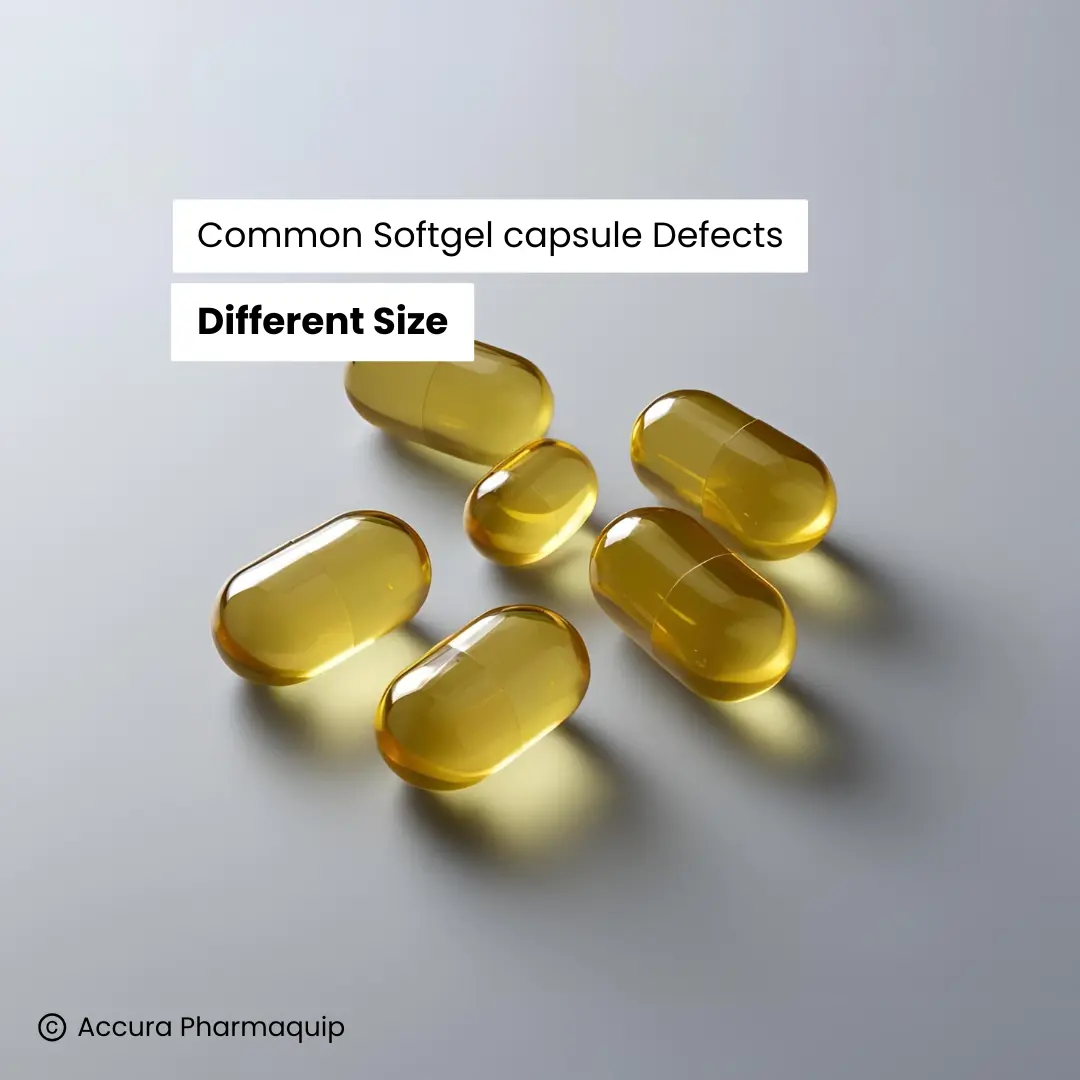
The Revolutionary Brahmi DUO (Automatic Tablet and Capsule Inspection Machine) working principle:...
Read More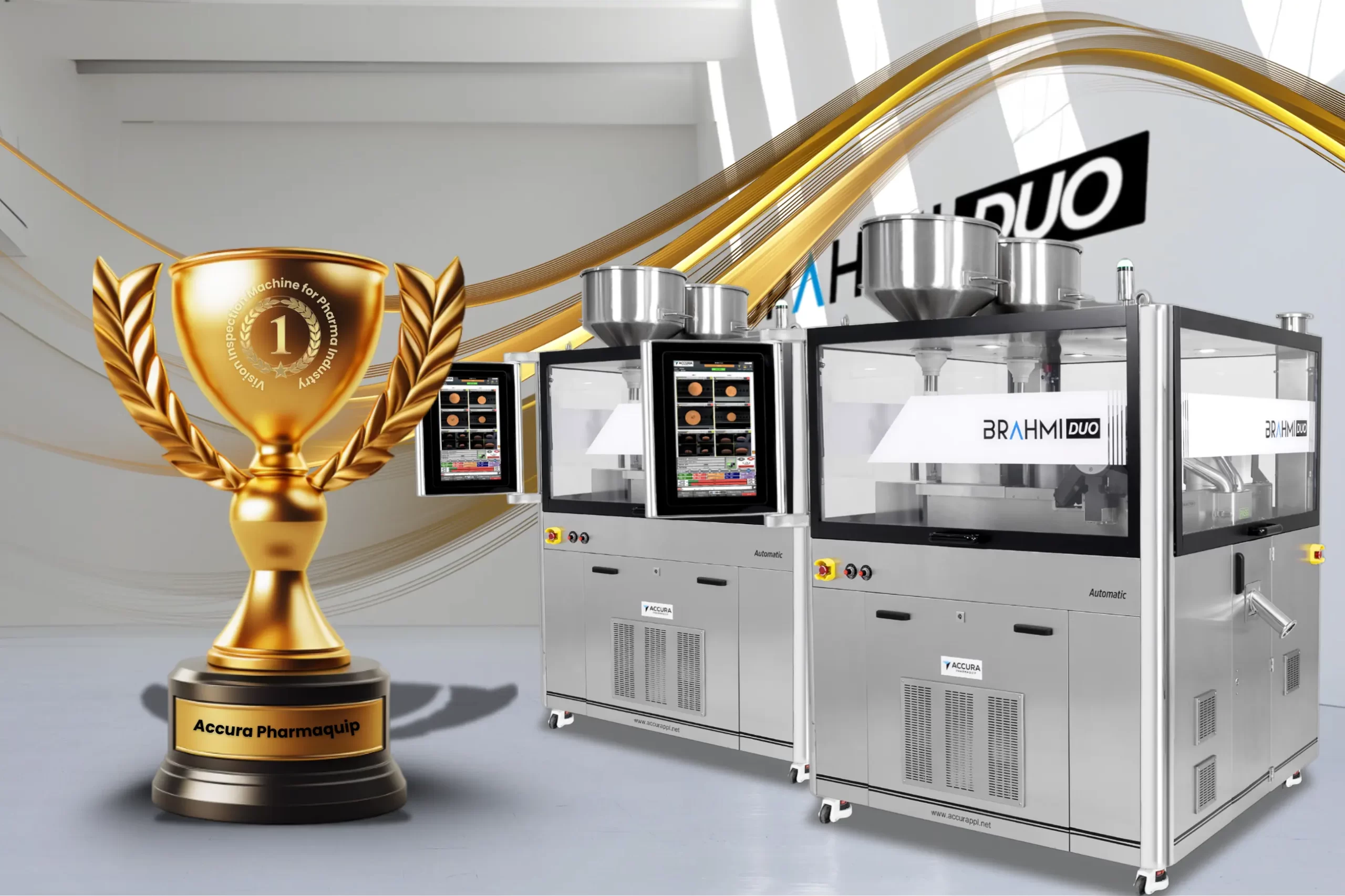
Brahmi DUO (Automatic tablet and capsule inspection machine): Revolutionizing Pharmaceutical Qual...
Read More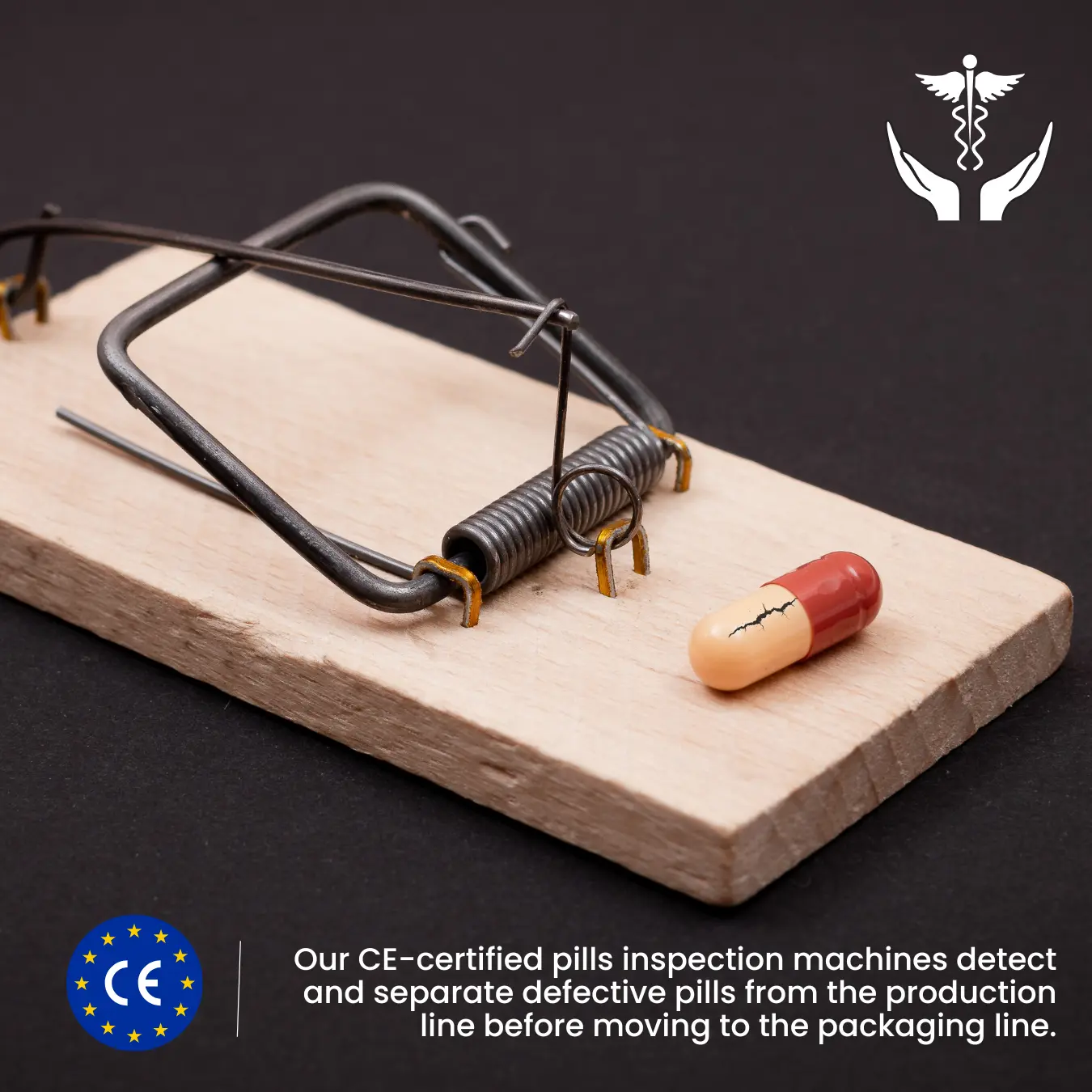
Protect Your Brand: By Detecting Defective Capsules in Production: In the ever-evolving pharmaceu...
Read More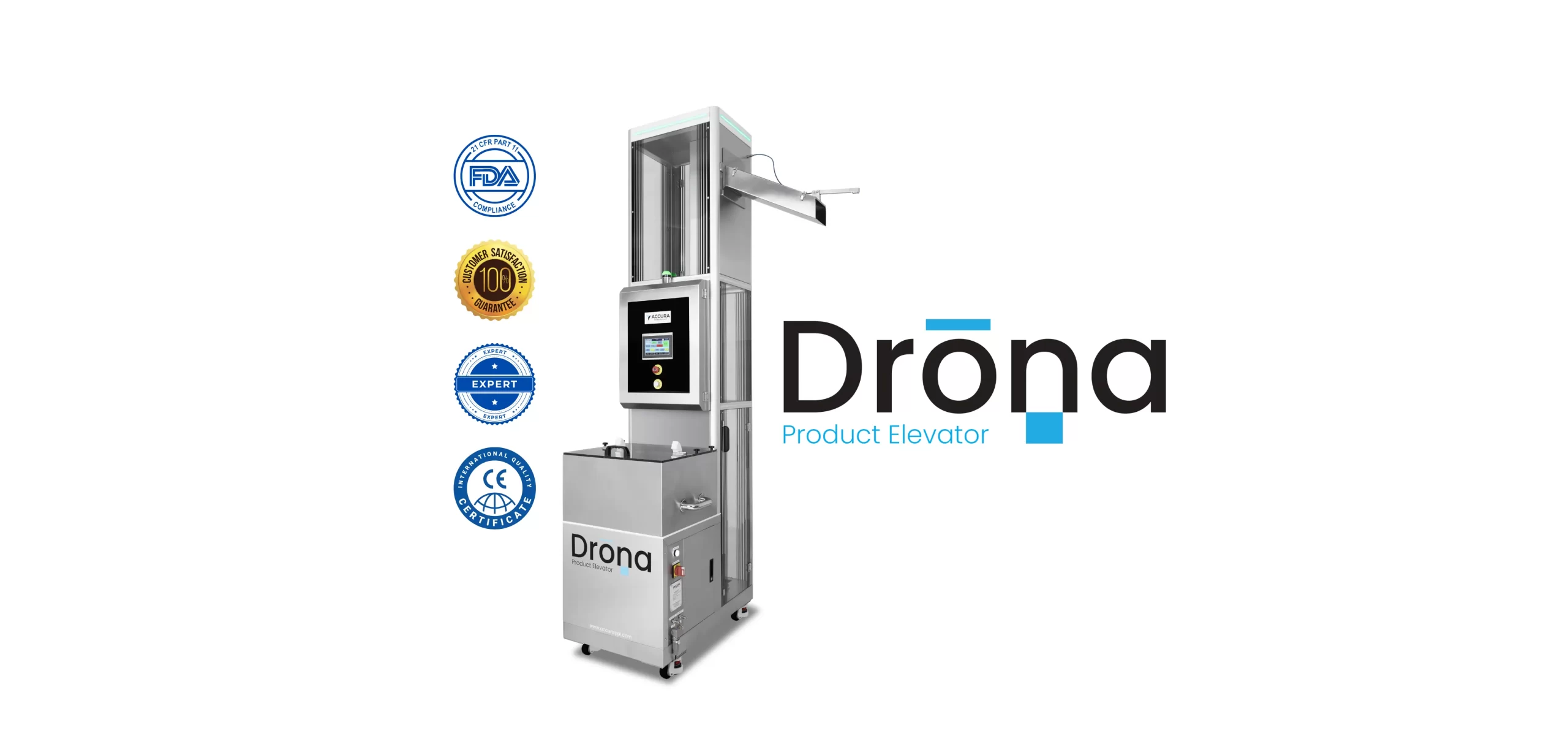
Drona: The Innovative Product Elevator Transforming the Pharmaceutical Industry. In an era where ...
Read More
Pharmaceutical companies have a crucial responsibility to ensure that their products are of the h...
Read More
Why is quality assurance critical in pharmaceutical production? Why is it so crucial for pharmace...
Read More
In the fast-paced world of pharmaceutical manufacturing, quality control is paramount. Every tabl...
Read More
In the pharmaceutical industry, the inspection of pills is a crucial step in ensuring the quality...
Read More
Accura Pharmaquip is a leading provider of advanced vision inspection systems for the pharmaceuti...
Read More
A View on the Most Popular and COMMON HARD GEL CAPSULE DEFECTS and Its Reasons. In the world of p...
Read More
25 compelling reasons to use ACCURA PHARMAQUIP’s automatic tablet and capsule inspection ma...
Read More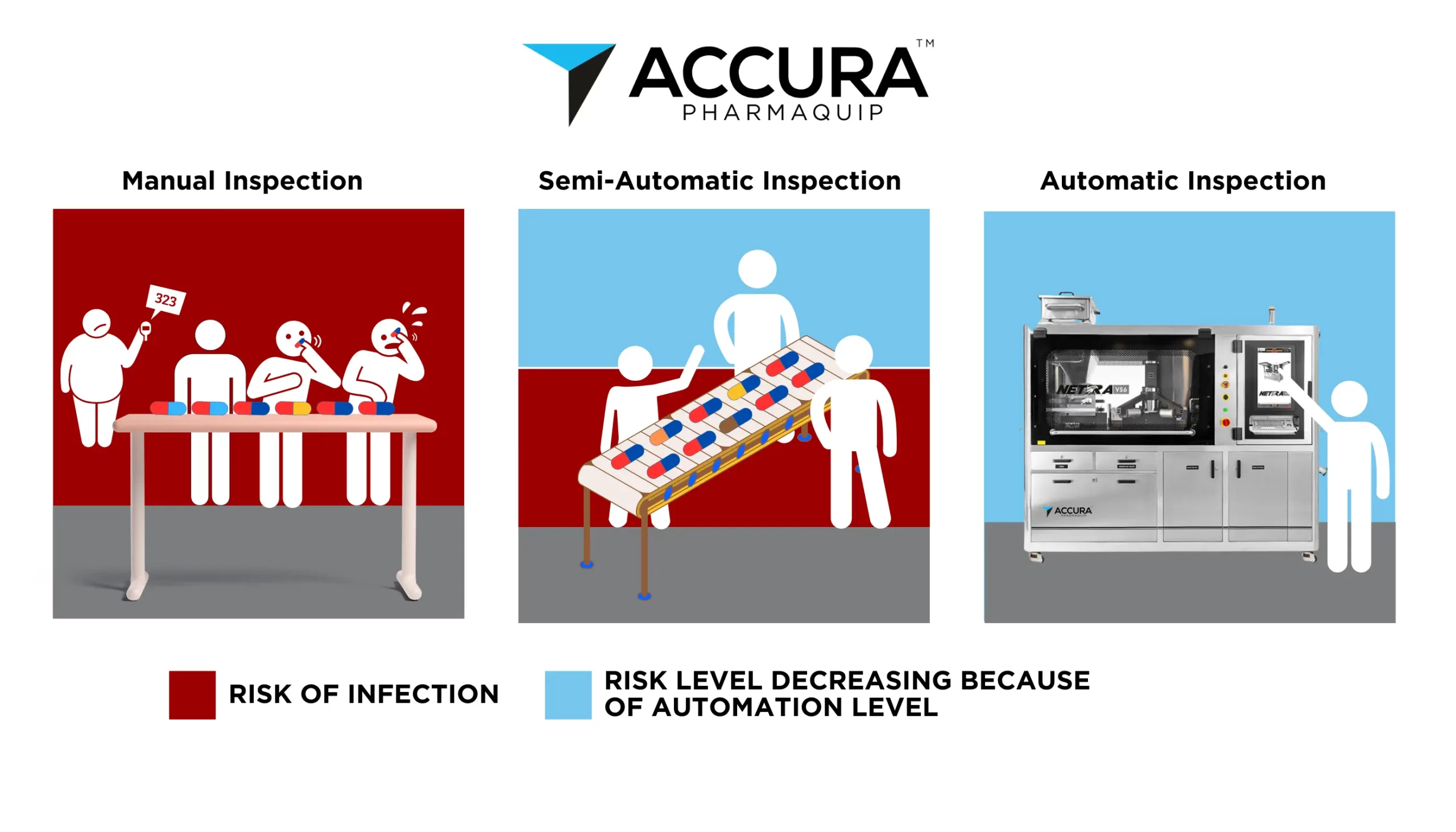
Amid the COVID-19 pandemic and other potential global health crises, the pharmaceutical industry ...
Read More
Accura Pharmaquip, a leading provider of tablet and capsule inspection technology, has been revol...
Read More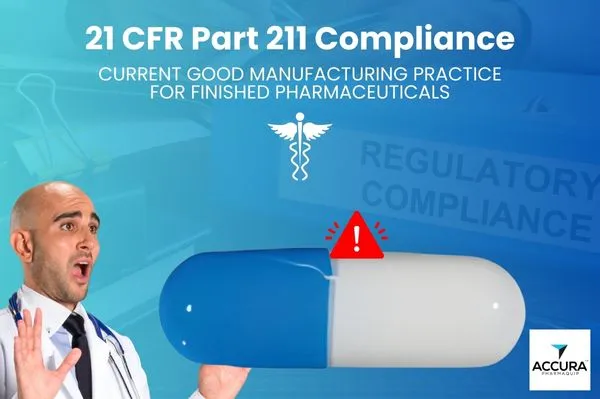
Why is 21 CFR Part 211 so crucial for the pharma industry? In the pharmaceutical industry, ensuri...
Read More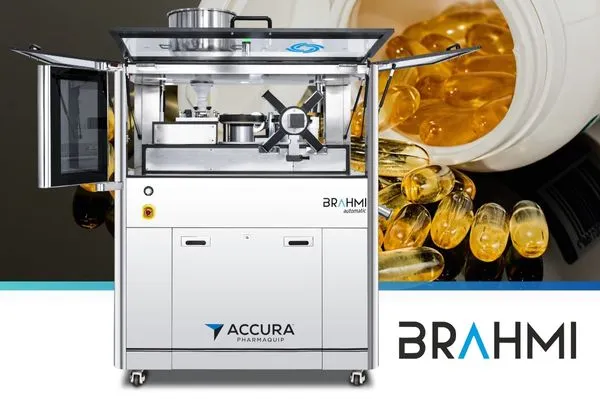
In today’s fast-paced pharmaceutical industry, quality control is of utmost importance. The...
Read More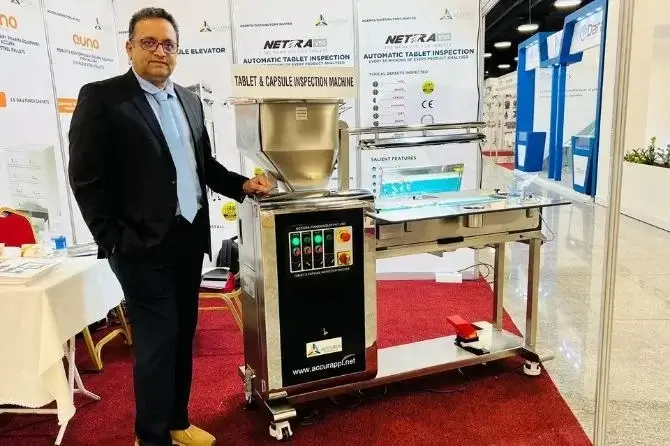
Thanks for visiting our booth and for showing your interest. We were excited to present at ARAB P...
Read More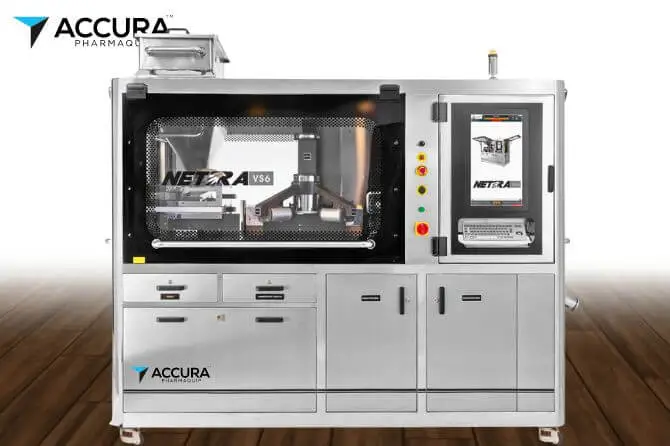
NETRA VS6 is the solution for automatic tablet and capsule inspection in the pharma industry. Our...
Read More
Accura Pharmaquip understands the critical importance of quality control in the pharmaceutical an...
Read More
 Jan 22, 2026