


Regulatory compliance is mandatory in Solid Dosage Manufacturing as a means of protecting patients by ensuring product integrity, while also supporting the requirements of both Good Manufacturing Practices (GMP) and U.S. FDA requirements for Quality Control, particularly for large volume Tablets/Capsules.
To satisfy these requirements, Inspection is essential in supporting the quality standards that define all products released to the public. The increasing level of regulatory oversight and the increasing speed at which products are being manufactured have caused many companies to move away from manual inspections and toward automatic inspection machines in order to better comply with regulatory requirements.
Automatic inspection machines play a critical role in supporting both GMP and FDA regulatory compliance. Automatic inspection machines support Regulatory Compliance through several aspects, including Quality Assurance, Documentation, Validation, and Long Term Regulatory Readiness, an approach similar to that of Accura Pharmaquip’s inspection philosophy.
GMP is focused on the assurance that pharmaceutical products are manufactured and controlled in a consistent and reproducible manner to ensure the quality standard. The manufacturing of solid dosage forms will require strict control of all aspects of product quality, potential for contamination, and consistency.
Therefore, key expectations from GMP regarding inspections include:
Consequently, inspection systems should be reliable, repeatable and documented so as to ensure GMP compliance both at audit and at operational levels.
Strong Visual Inspection is emphasized by the FDA for Tablet & Capsule products to prevent defects in both the form & function of products from potentially impacting safety and efficacy. Some of the common defects that can cause problems with both the functionality and the form of these products are: Cracks, Chips, Discolourations, Foreign Matter and Dimensional Irregularities.
FDA Expectations generally follow a Risk-Based Approach in their assessment of the product’s defect detection capability as it pertains to patient safety. To meet the FDA expectations of inspection processes for detecting the most at-risk defects to the patient, clear rejection criteria, validation of the inspection process, and thorough documentation of the inspection process will be necessary.
Although manual inspection has historically been used in the production of pharmaceuticals, there are many problems with using it as an inspection method in a regulated environment.
Manual inspections by humans are subject to such factors as:
In addition, manual inspections produce limited documentation. Typically, audit trail records are insufficient; therefore, it is generally difficult to recreate the details of an inspection decision during a regulatory audit. These limitations create significant barriers for manufacturers to continue relying solely on manual inspections to comply with today’s GMP and FDA requirements.
Automatic Inspection Machines use standardized inspection protocols for each and every product inspected; thus providing consistency among all products regardless of batch or shift in which they were manufactured. Once a machine’s operating parameters have been validated, they will be changed only by a formal update to the controlled procedures governing that particular process.
The key GMP advantages include:
Consistency is required for continued GMP compliance.
Automatic inspection machines are designed to identify a large number of different quality defects, such as:
Early identification of these defects allows manufacturers to limit their exposure to defective products being used on patients.
Inspection machines function under a controlled environment by utilizing:
Change-management procedures and version-control mechanisms provide assurance that any modifications will be documented, reviewed, and approved as per GMP regulations.
Validation is a very important component for all companies seeking to be compliant with the FDA, and automated inspection systems are directly involved in the validation process.
Automated inspection systems are able to generate quantifiable and reproducible results which make the validation process and the creation of required regulatory documentation much easier to complete.
The above information on how modern inspection systems support e-Data Integrity requirements (electronic) includes:
All the attributes listed above support both 21 CFR Part 11 and ALCOA+ principles by ensuring that the data generated is attributable, legible, contemporaneous, original and accurate.
The early and correct identification of defects will reduce the possibility that a batch fails or is recalled. Automated inspection equipment builds confidence for product release decisions by giving manufacturers an opportunity to minimize their risk exposure from both regulatory and commercial perspectives.
Automated inspection equipment provides companies with substantial documentation, such as:
The data generated from automated inspection equipment provides auditors with a rapid response and a more defined explanation when they conduct a regulatory audit; it also enhances compliance evidence.
Inspectors may use modern inspection technology to collect data and provide feedback in real time to manufacturing staff who are operating their equipment.
Benefits of using a Quality Data System include:
Quality systems use data from inspections to make informed decisions.
Compliance is a challenge for manufacturers due to ongoing issues that include:
The design of automatic inspection machines will provide the opportunity for manufacturers to meet evolving compliance challenges.
As we move into the future, pharmaceutical compliance will increasingly rely on smarter systems with increased connections between them. Some of the key emerging trends are:
These new technologies will continue to build upon the current status of automatic inspections to enable compliance.
Automatic inspection systems are a critical component of supporting GMP and FDA compliance in Solid Dosage production. Automatic inspection systems support manufacturers in meeting regulatory expectations by providing consistent inspections, robust documentation, validated performance, and complete and accurate data integrity.
While some may view inspection machines as a cost, inspection machines should be viewed as a long-term quality investment for manufacturers and their Quality Assurance Teams. The message is clear: Automatic Inspection is not just a tool for detecting defects, but it is an investment in developing a compliant, reliable, and future-ready Quality System that aligns with Accura Pharmaquip‘s commitment to pharmaceutical excellence.

In drug manufacturing, the focus on quality contro...
Read MorePacking line conveyor are an excellent solution fo...
Read More
Automatic Inspection Systems are an integral part ...
Read More
Liquid drug products require very high levels of quality ...
Read More

In drug manufacturing, the focus on quality control is paramount. The presence of one defe...
Read More
Packing line conveyor are an excellent solution for eliminating inefficiencies created in ...
Read More
Automatic Inspection Systems are an integral part of today’s Pharmaceutical Manufact...
Read More
Liquid drug products require very high levels of quality and precision. Microscopic contamination...
Read More
Ensuring that all of the drug ampules produced for injection are complete and meet the required q...
Read More
Automated inspection of injectable vials, vaccine vials, biologic vials and many other high value...
Read More
In the glass packaging industry, maintaining high-quality standards is essential. Whether used fo...
Read More
The pharmaceutical industry requires tablets produced at its highest possible quality to protect ...
Read More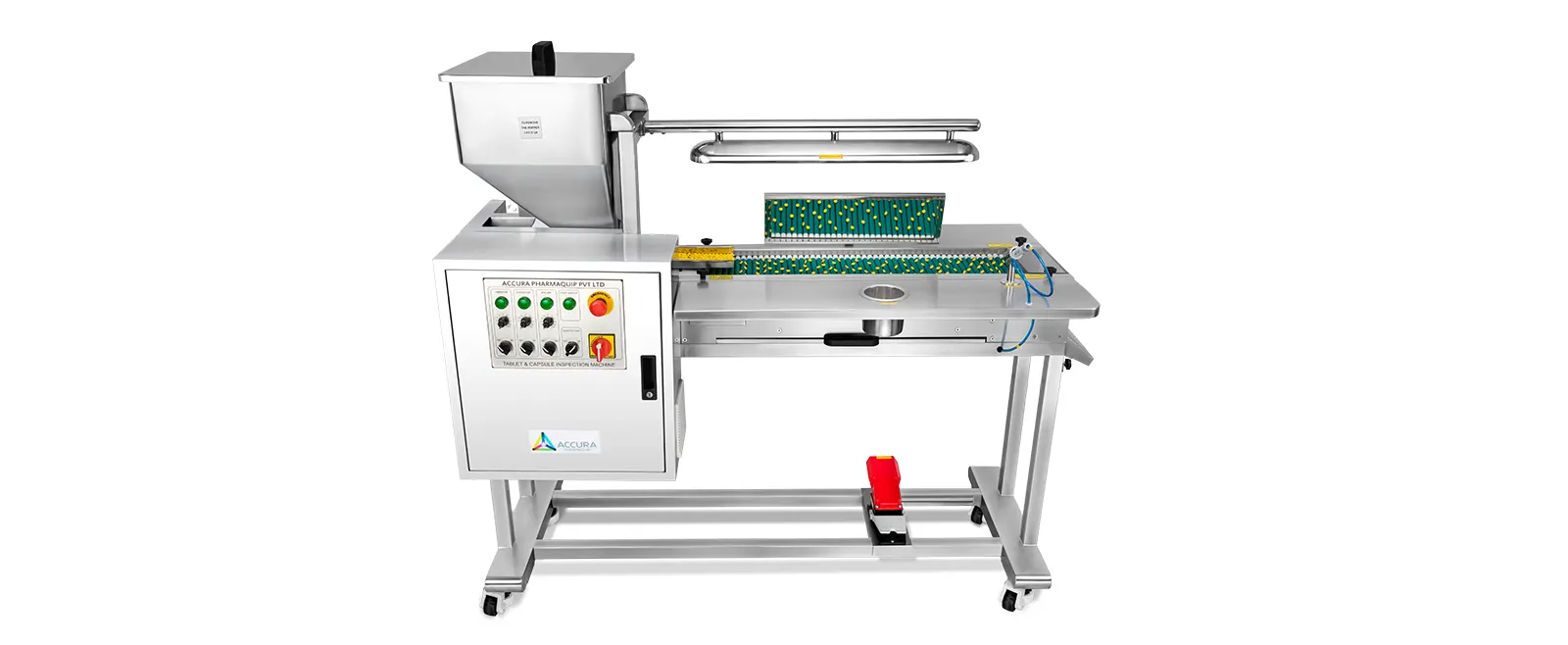
Quality assurance in the pharmaceutical industry is not simply a legal requirement; it is a moral...
Read More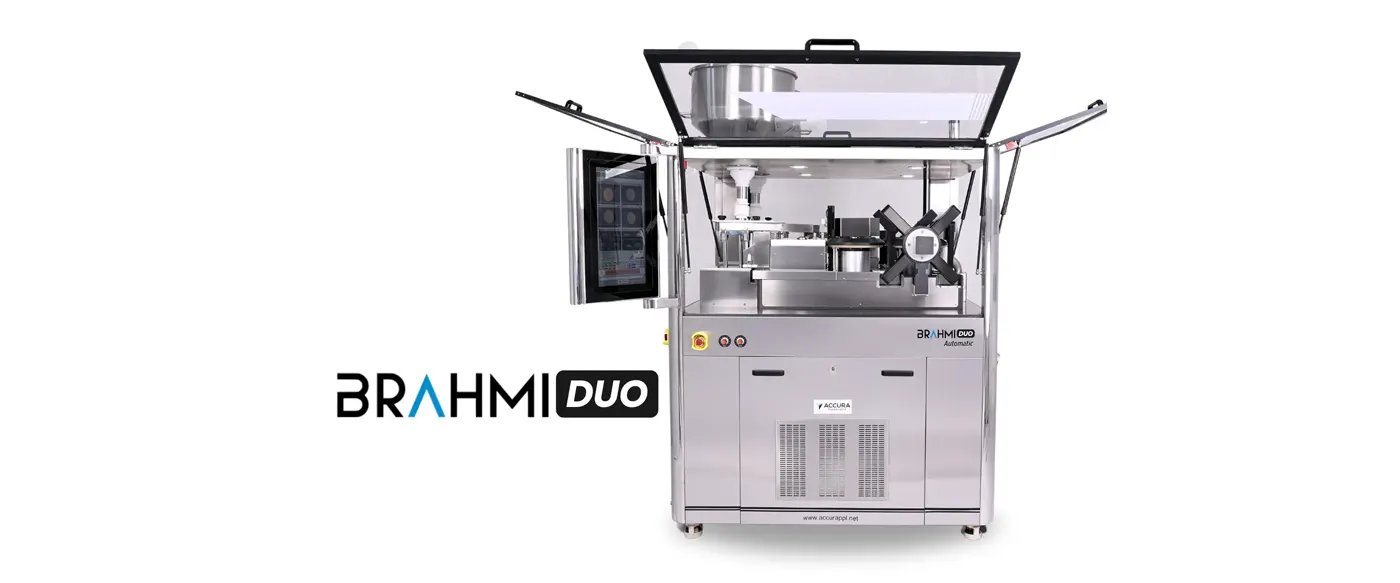
Precision, efficiency and adherence to regulatory requirements are essential in the manufacture o...
Read More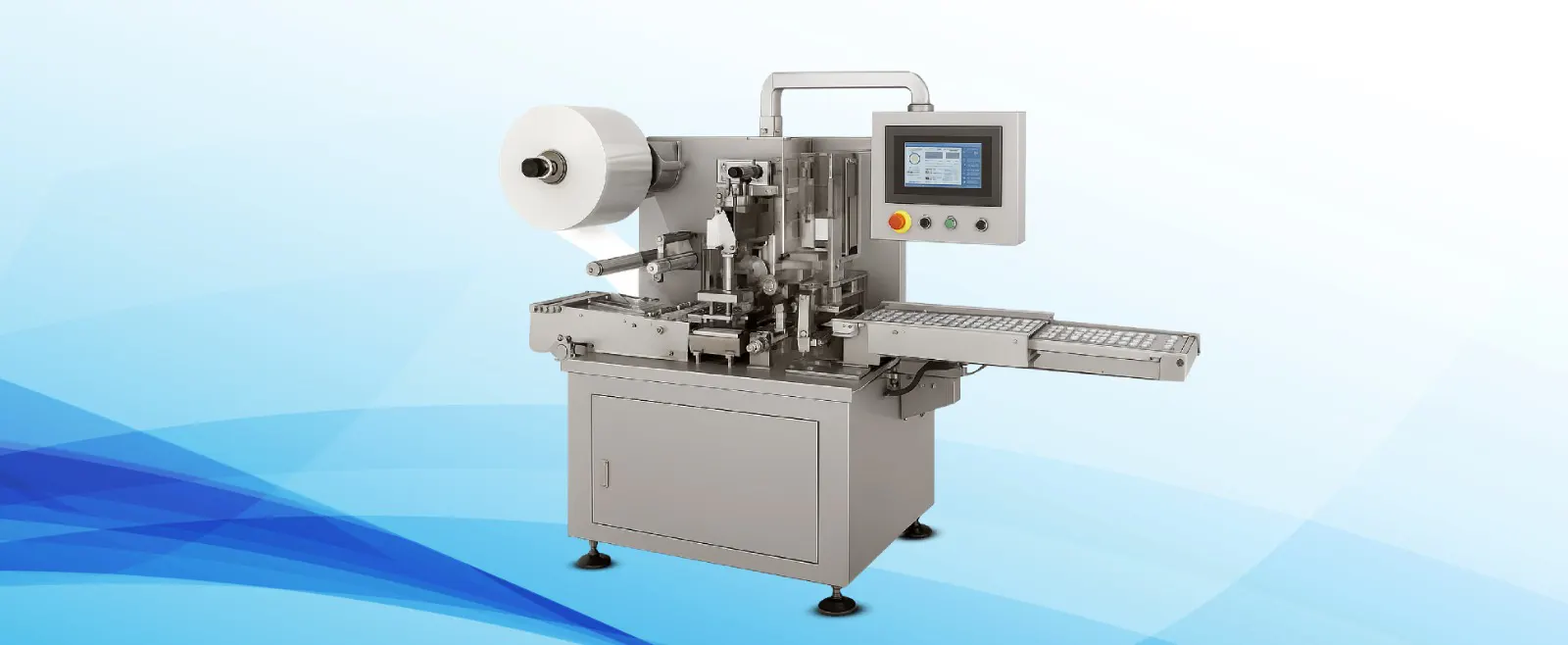
Strip packing is the most preferred and high-volume method of packaging solid oral dose forms, in...
Read More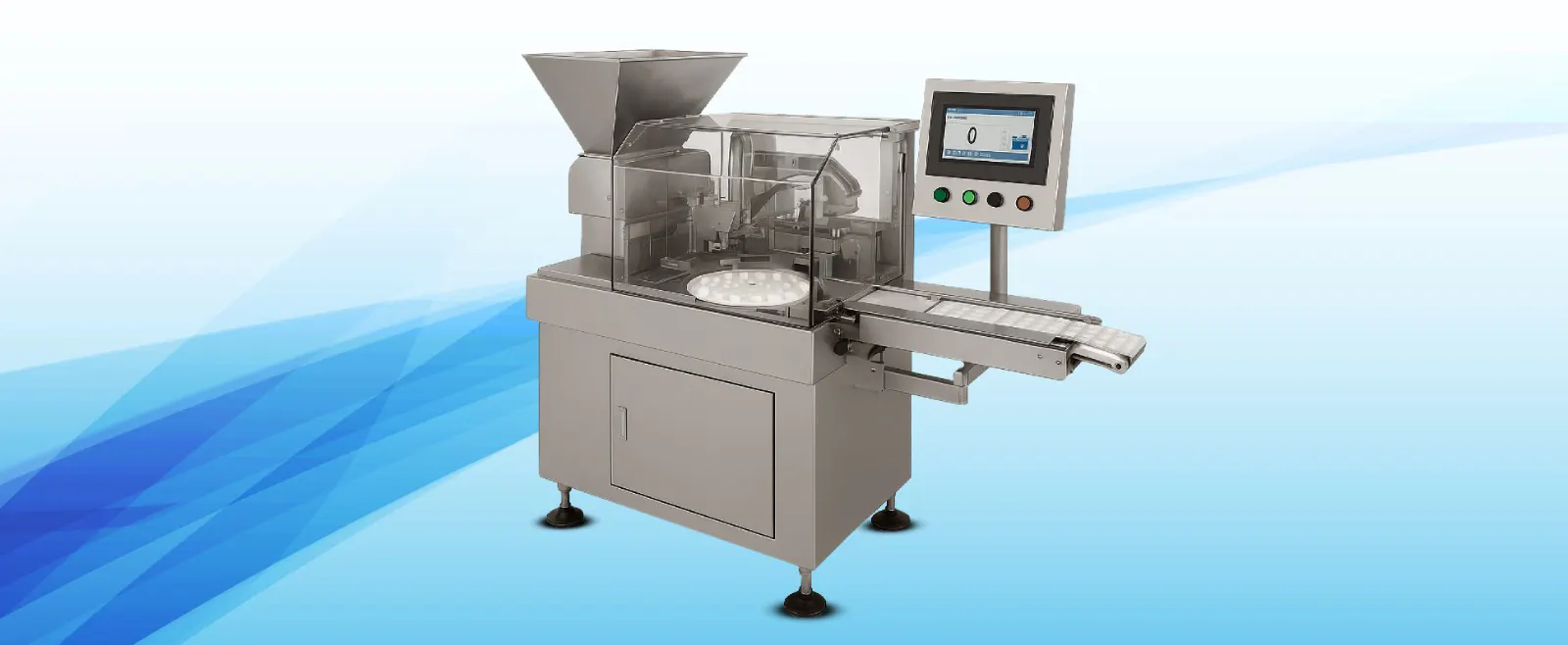
Pharmaceutical and nutraceutical manufacturers need to accurately count tablets and capsules to g...
Read More
Blister packaging plays a significant function in product safety, correct dosing, and consumer co...
Read More
Within pharma production, accuracy and productivity are not an option. Among the most critical bu...
Read More
Nutraceutical and pharmaceutical production quality assurance is a no-compromise necessity. Ensur...
Read More
Deblistering machines play a vital role in pharmaceutical production by ensuring that tablet and ...
Read More
With the speed of the world accelerating further, efficiency and hygiene are increasingly importa...
Read More
In the pharmaceutical industry, packaging is not just about presentation, it is a critical part o...
Read More
Have you ever wonder why automated inspection is no longer optional and how Automatic Tablet and ...
Read More
Quality control in pharmaceuticals isn’t just a step — it’s the heart of safe medication. Every p...
Read More
Enhancing Pharmaceutical Quality Control with Brahmi: The Best Tablet and Capsule Sorter. Common ...
Read More
In pharmaceutical manufacturing, quality control is essential. The safety of medicines depends on...
Read More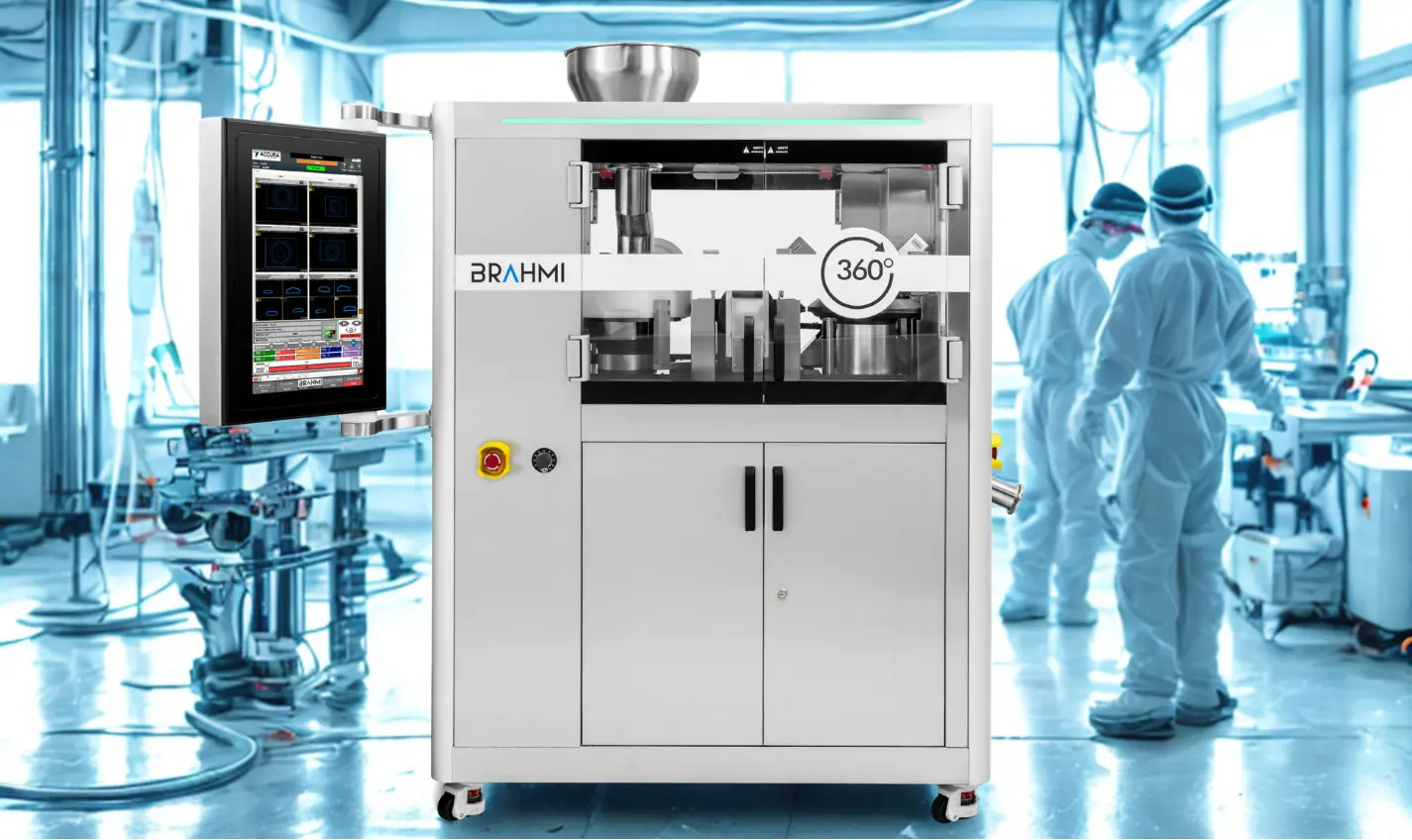
Suppose a scenario. A shipment of pills departs a pharma plant. They don’t know it, but som...
Read More
Accura Pharmaquip continues to lead the charge in pharmaceutical quality inspection technology wi...
Read More
The Revolutionary Brahmi DUO (Automatic Tablet and Capsule Inspection Machine) working principle:...
Read More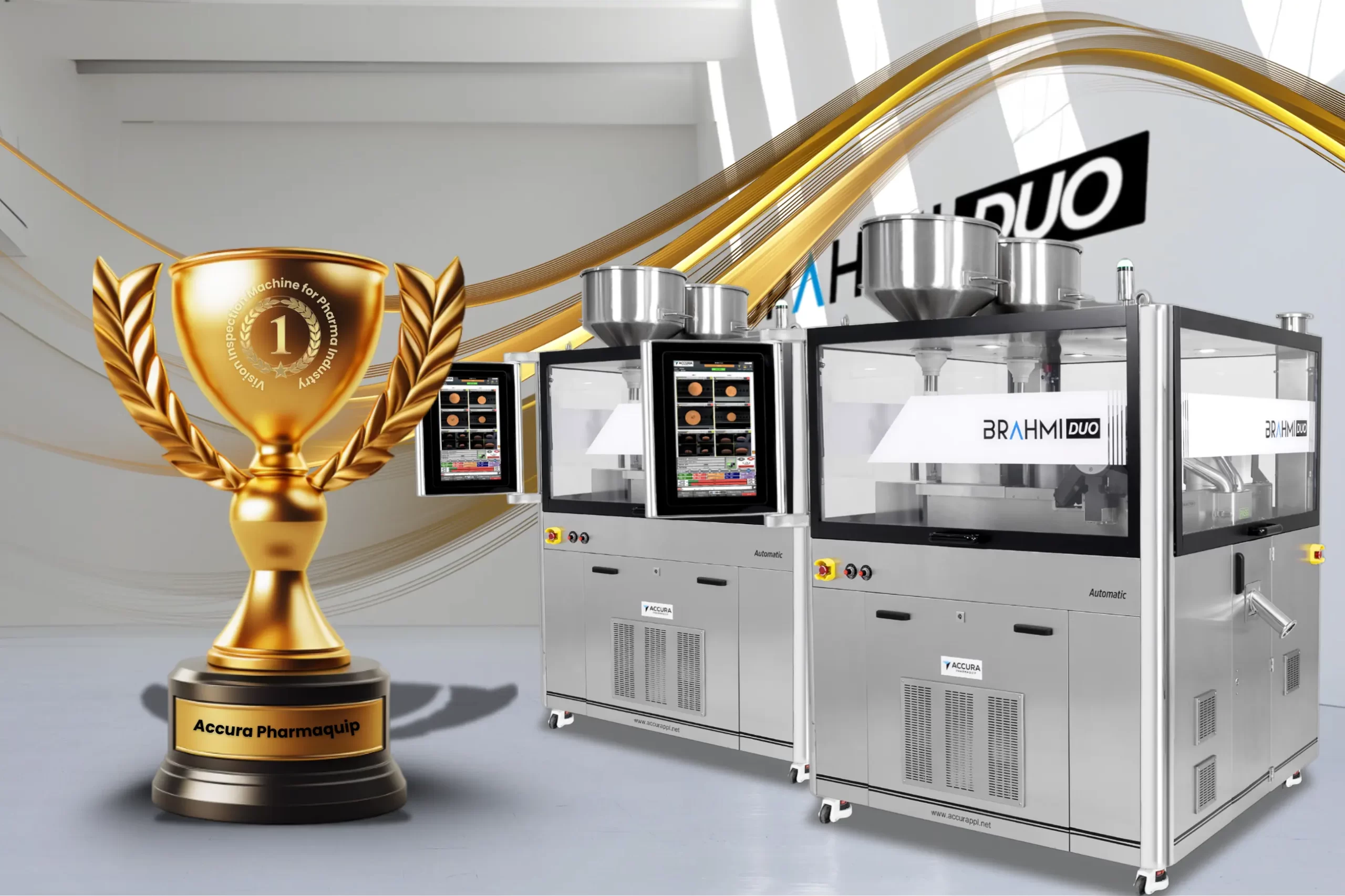
Brahmi DUO (Automatic tablet and capsule inspection machine): Revolutionizing Pharmaceutical Qual...
Read More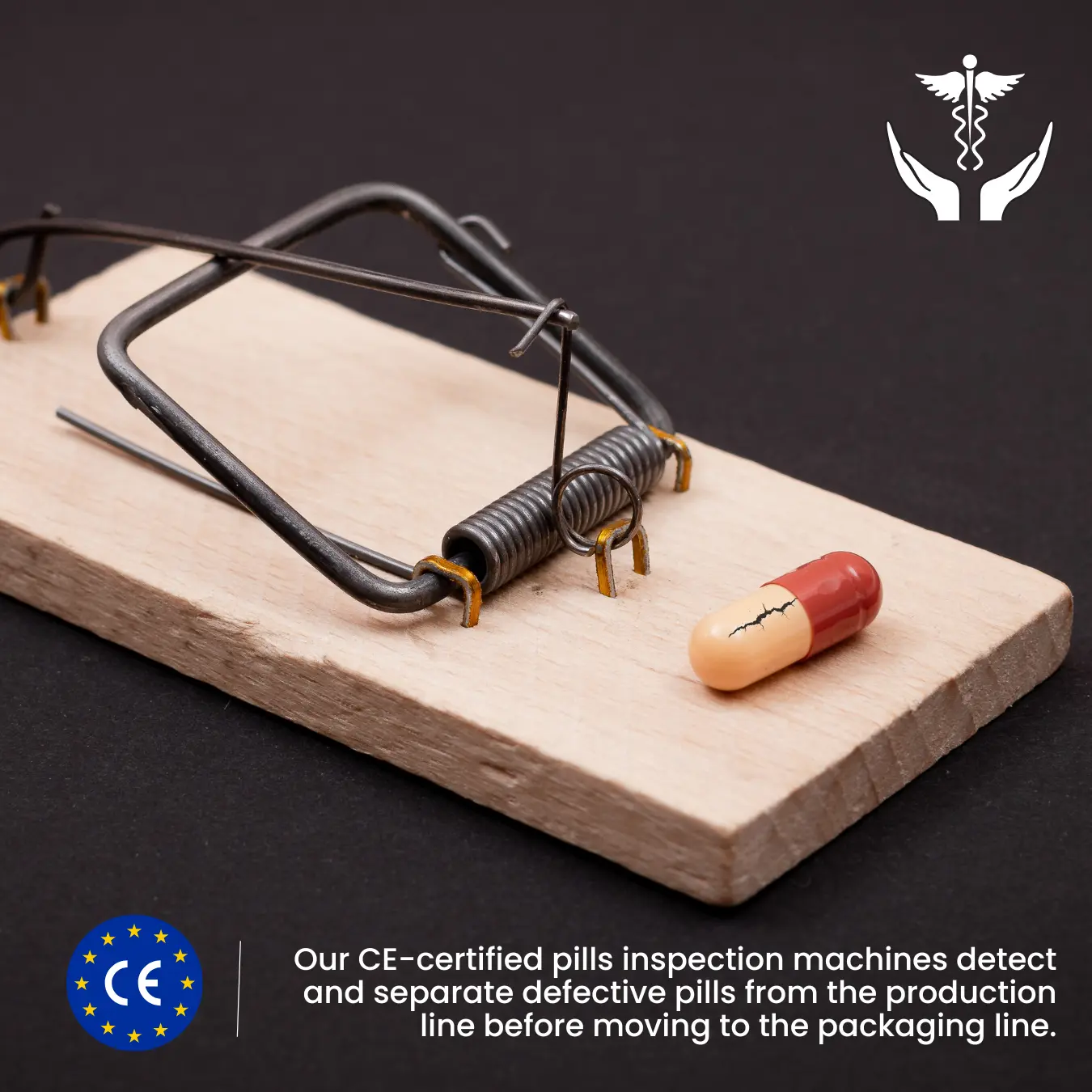
Protect Your Brand: By Detecting Defective Capsules in Production: In the ever-evolving pharmaceu...
Read More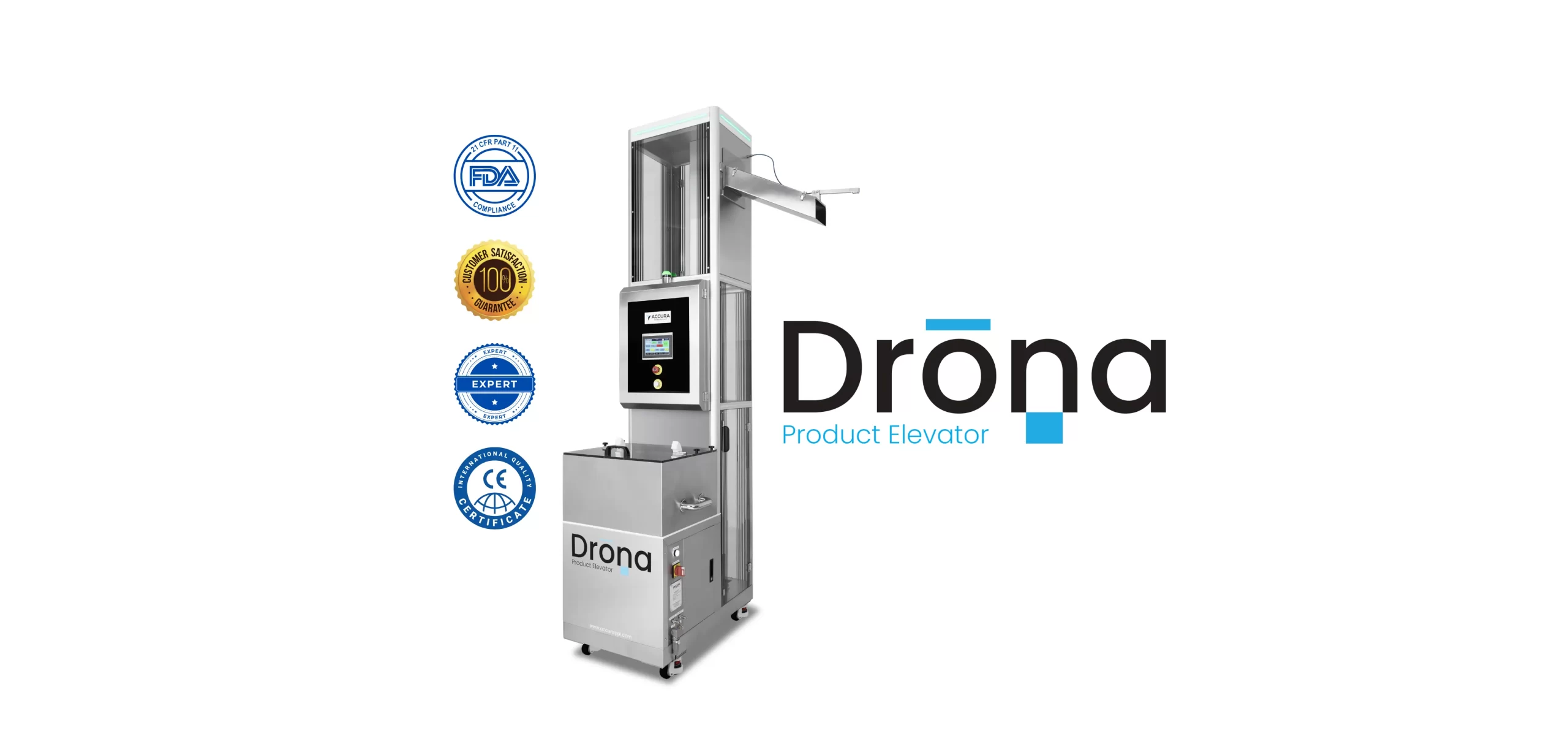
Drona: The Innovative Product Elevator Transforming the Pharmaceutical Industry. In an era where ...
Read More
Pharmaceutical companies have a crucial responsibility to ensure that their products are of the h...
Read More
Why is quality assurance critical in pharmaceutical production? Why is it so crucial for pharmace...
Read More
In the fast-paced world of pharmaceutical manufacturing, quality control is paramount. Every tabl...
Read More
In the pharmaceutical industry, the inspection of pills is a crucial step in ensuring the quality...
Read More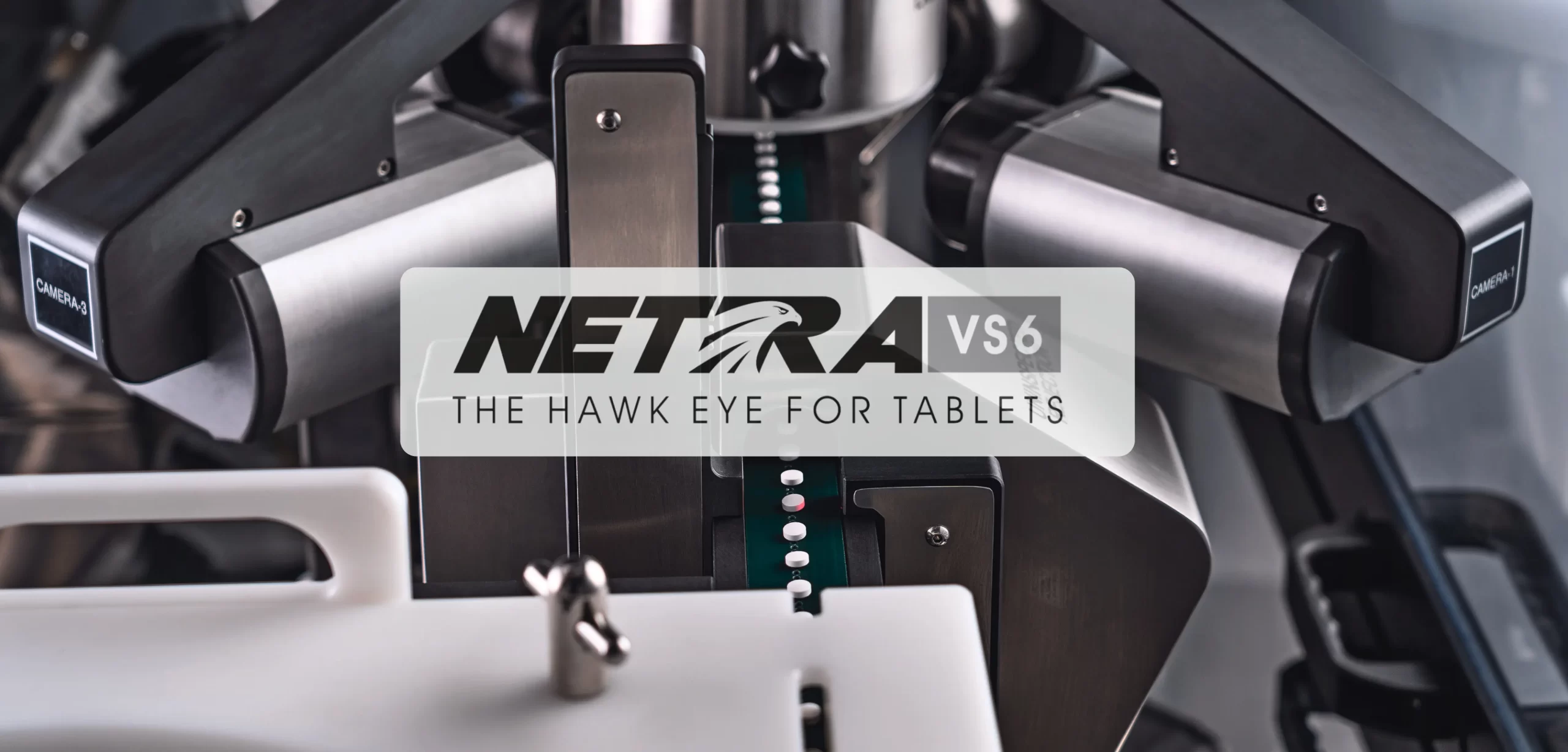
Accura Pharmaquip is a leading provider of advanced vision inspection systems for the pharmaceuti...
Read More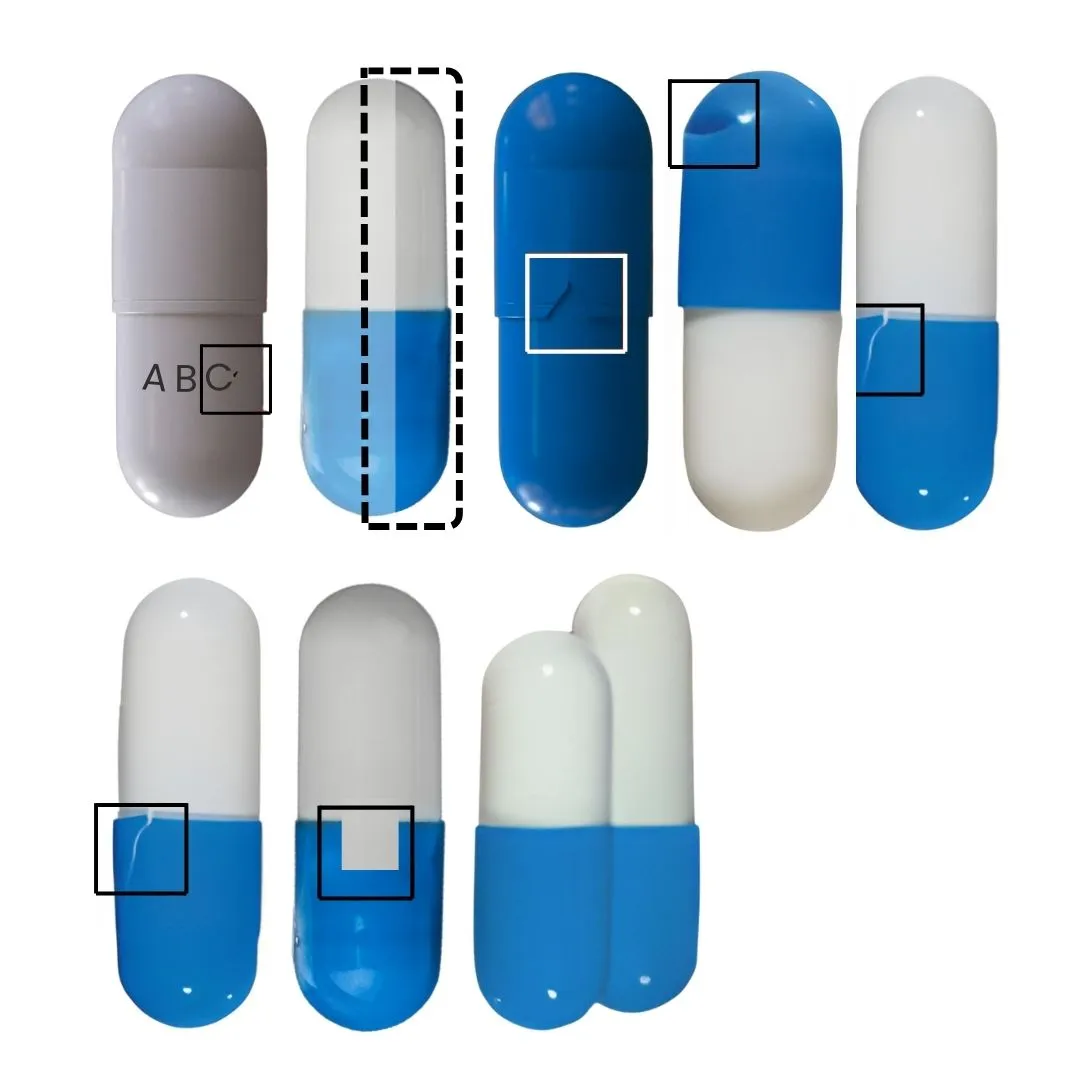
A View on the Most Popular and COMMON HARD GEL CAPSULE DEFECTS and Its Reasons. In the world of p...
Read More
25 compelling reasons to use ACCURA PHARMAQUIP’s automatic tablet and capsule inspection ma...
Read More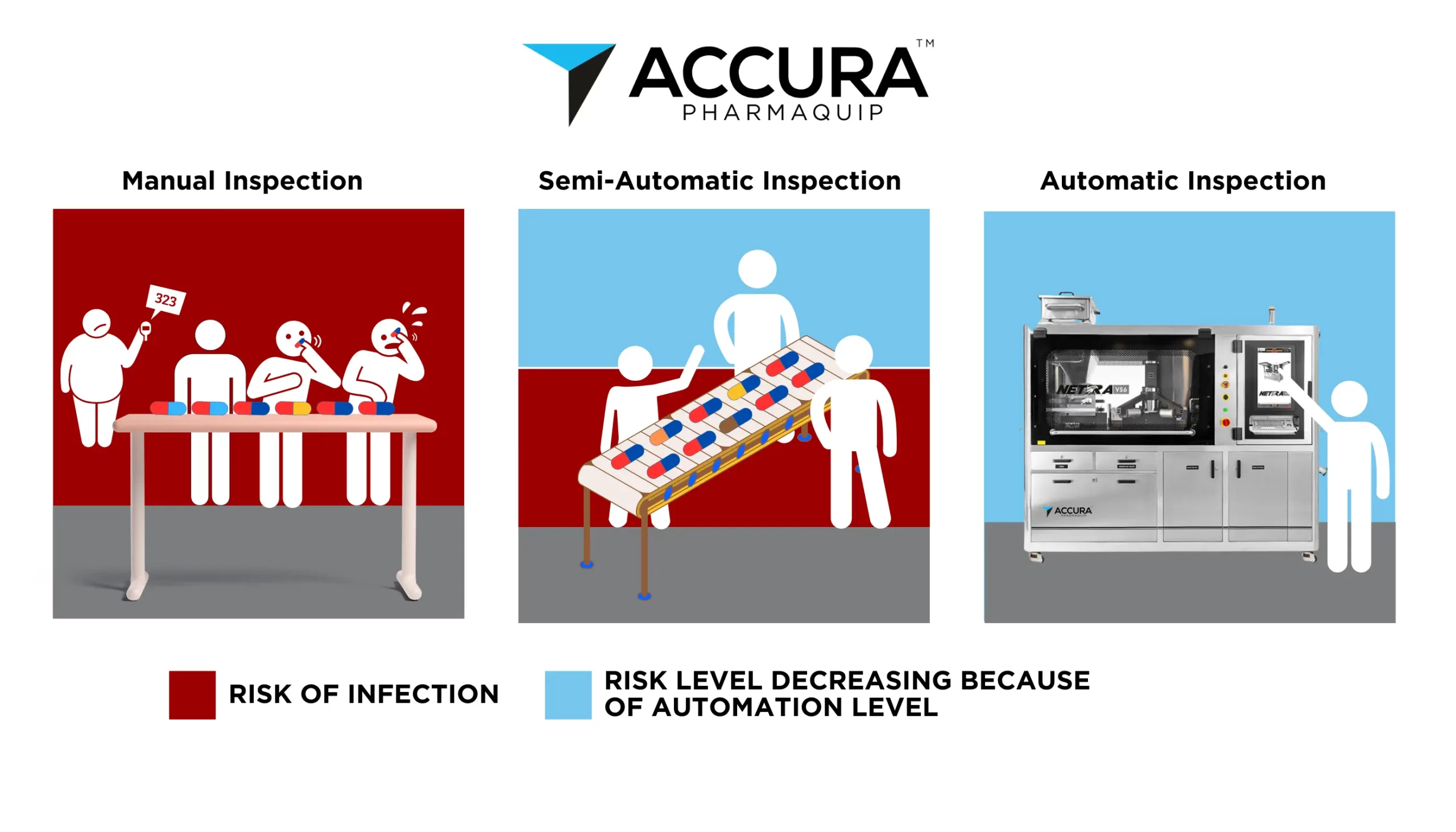
Amid the COVID-19 pandemic and other potential global health crises, the pharmaceutical industry ...
Read More
Accura Pharmaquip, a leading provider of tablet and capsule inspection technology, has been revol...
Read More
Why is 21 CFR Part 211 so crucial for the pharma industry? In the pharmaceutical industry, ensuri...
Read More
In today’s fast-paced pharmaceutical industry, quality control is of utmost importance. The...
Read More
Thanks for visiting our booth and for showing your interest. We were excited to present at ARAB P...
Read More
NETRA VS6 is the solution for automatic tablet and capsule inspection in the pharma industry. Our...
Read More
Accura Pharmaquip understands the critical importance of quality control in the pharmaceutical an...
Read More
 Jan 17, 2026