Strip packing is the most preferred and high-volume method of packaging solid oral dose forms, including tablets, capsules, and soft gels for the pharmaceutical and nutraceutical industries. Strip packing is effective in protecting the products against moisture, oxygen, and contamination while providing dose protection and convenience for the end-user.
As companies experience higher demand for fast and contamination-free production, they are starting to invest in an automated strip packing machine. Automated machines increase speed, accuracy, and sanitation of operations by reducing hand-to-hand contact while providing consistent uptime.
This comprehensive guide outlines what a strip packing machine is, how it works, its main components, and why features like automatic product feeders are important to get the best use of current packaging lines.
What is a Strip Packing Machine?
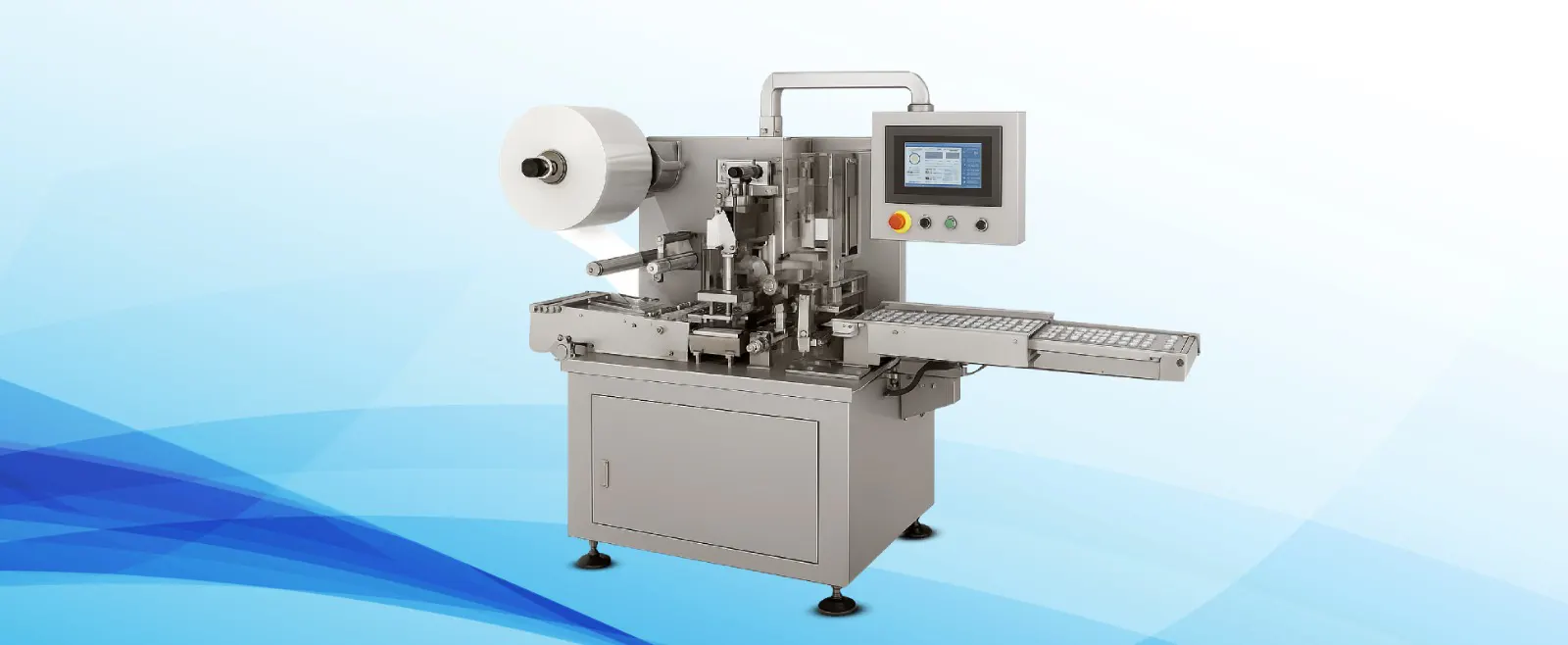
A Strip Packing Machine is a kind of specialty packing machine designed to package single tablets, capsules, or small objects between two pieces of heat-sealable material such as aluminium foil, plastic film, or laminated sheets. One piece is packed inside each individual pocket, and a rolled strip is created, which may be cut into specified lengths later on.
Common Products Packaged Using Strip Machines
- Pharmaceutical tablets and capsules
- Nutraceutical and herbal supplements
- Confectionery items such as candies and mints
- Medical strips or mini equipment like swabs and sensors
Strip Packing Machines Types
Manual Strip Packing Machines:
Require significant operator involvement. Suitable for low-level processing and laboratory applications.
Semi-Automatic Strip Packing Machines:
Perform some operations like sealing or cutting, but are manual in feeding.
Fully Automatic Strip Packing Machines:
Equipped with automatic product feeders, forming, sealing, and cutting systems. They are most appropriate for high-volume production since they work at high speeds, with minimal error rates, and provide high hygiene.
Principal Components of a Strip Packing Machine
A strip packing machine is equipped with several integrated systems that give accuracy and uniformity during the packaging process.
1. Forming Station
In this section, the base film or foil is shaped into cavities to hold the tablets or capsules.
- Thermoforming: Applies heat and pressure to mould PVC or laminated sheets into cavities.
- Cold Forming: Applies mechanical pressure to shape cavities in aluminium foil without heating, suitable for moisture and light-sensitive products.
2. Filling Station
The filling station places one tablet, capsule, or product into each formed cavity. Precision in filling must be met to ensure compliance and product safety.
3. Sealing Station
- Sealing Station – H3
A top layer, usually aluminium foil or laminated material, is sealed over the formed bottom layer in this step.
- Heat Sealing: For PVC and laminated films.
- Cold Sealing: Aluminium strips for use in heat-sensitive product applications.
4. Cutting and Punching Station
Sealed web is thereafter cut into strips or individual packs. Strip sizes can be set into machines to produce varying sizes of strips depending on dosage requirements and packaging demands.
5. Automatic Product Feeder for Strip Packing Machine
An Automatic product feeder for strip packing machine is an automated unit that provides a regular, smooth flow of capsules or tablets to the filling and forming station.
- Avoids manual handling, thereby ensuring hygiene.
- Prevents product jamming, breakage, or overlap.
- Enhances production speed and efficiency through the continuous supply of products to be packed.
How Strip Packing Machine Functions
Step 1 – Loading of Product
Tablets or capsule-type products are loaded into a hopper or tray. The automatic feeding system of the products then continuously feeds them towards the filling and forming section to enable a continuous supply while maintaining product integrity.
Step 2 – Feeding of the Product into Cavities
An Automatic product feeder for strip packing machine exactly deposits each tablet or capsule into the formed cavities. Its precision does not leave any cavities empty or overflowing. Flow and orientation are monitored by sensors in the system, reducing the chances of misplacement or mechanical blockages.
Step 3 – Forming the Strip
Two sheets of film, aluminium and/or plastic, move along the forming station. Depending on the type of product and material selected, the cavities are created through cold forming (aluminium foil) or thermoforming (laminated or PVC films). These cavities will safely hold each tablet or capsule.
Step 4 – Sealing and Lidding
Filled cavities are subsequently covered with an upper film (the best option is aluminium foil or another laminated sheet).
- Pressure and temperature are employed to join the materials in heat sealing.
- Mechanical pressure seals in cold sealing without exposing temperature-sensitive products to high temperatures.
Sealing in this stage offers hermetic protection from contamination and shelf life extension.
Step 5 – Cutting and Packing
After sealing, the rolling strip is shipped to the cutting and punching section, where it is cut into strips of the required dimensions. The strips are then collected for secondary packaging, labelling, or immediate delivery.
Advantages of Strip Packaging Machines
Implementation of an automatic strip packaging machine in production lines offers a variety of technical and functional benefits:
- High-Speed and Exact Packaging: Automation ensures regular delivery with minimum downtime.
- Hygiene and Contamination-Free Process: Closed operation avoids direct human contact.
- Less Labor and Operations Expense: Reduced manual intervention reduces the dependency on skilled labor.
- Improved Product Protection: Airtight seal provides efficient barrier protection from light, moisture, and oxygen.
- Easy Integration: Compatible with counting, inspection, and labelling equipment for smooth production.
Applications of Strip Packing Machines
Strip packing machines are extensively applied and used in industries for various purposes:
- Pharmaceutical Tablets and Capsules – Protects against improper dosage and product safety.
- Nutritional formula and Herbal Supplements – Conserves natural contents from degradation.
- Confectionery and Candies – Maintains freshness and anti-stick.
- Chewing Gums and Lozenges – Enables hygienic single-dose packaging.
- Medical Devices and Small Hardware – Packages small fragments safely with precise sealing and cut control.
Maintenance Tips for Best Performance
In order to ensure consistent, consistent performance, regular maintenance should be done:
- Clean sealing stations, hoppers, and feeders after every production run to prevent product residue buildup.
- Regularly inspect and calibrate an Automatic product feeder for strip packing machine to ensure alignment and flow rate are correct.
- Lubricate rollers, belts, and sealing jaws according to the manufacturer’s instructions.
- Regularly inspect cutting and forming tools for wear to avert product consistency issues.
- Regularly test seal integrity to ensure correct airtight sealing.
Conclusion
- When it comes to packaging that pharmaceutical and nutraceutical manufacturers need for precision, speed, and reliability, strip packing equipment is essential. Good strip packing equipment can provide airtight, contamination-free packaging, maximizing product integrity and regulatory compliance.
- The inclusion of automatic product feeders has revolutionized strip packaging by providing continuous operation, reducing manual errors, and increasing overall productivity.
- It’s time to adopt automation for manufacturers willing to double up on efficiency and maintain world-class quality.
FAQs
How does the automatic product feeder improve efficiency?
It delivers continuous product flow, eliminating human touch and downtime. It accelerates output, maintains accuracy, and improves hygiene.
Can the machine handle different sizes of tablets or capsules?
Yes. Most machines are equipped with adjustable feeding systems and exchangeable forming dies, which can easily be adjusted for different product sizes and shapes.
What is the speed range of a typical strip packing machine?
Depending on model and configuration, speeds range from 150 to 500 packs per minute, sufficient for high-volume production.
How does it differ from blister packing?
While both hold products in sealed cavities, strip packing holds each unit between two flat sheets of film or foil, while blister packing forms pockets (blisters) holding products before sealing.
Is retrofitting possible for existing production lines?
Yes. Strip packing machines can be retrofitted or integrated with counting, labelling, or inspection systems to expand current production setups.