The pharmaceutical industry requires tablets produced at its highest possible quality to protect a company’s reputation and patient safety. A tablet reaching consumers must be in correct dosages, but also must meet specific visual and dimension requirements. Small surface problems with tablets, for example, cracks, spots, uneven coating, can cause loss of consumer confidence and may create additional issues when regulatory auditors come to audit a facility.
Upgrade to advanced tablet & capsule inspection
Additionally, many problems found with tablets are symptomatic of underlying problems with either the formulation or production process, and thus, if uncorrected, will reduce the effectiveness of the drug being produced, and the manufacturer’s compliance with Good Manufacturing Practices (GMP).
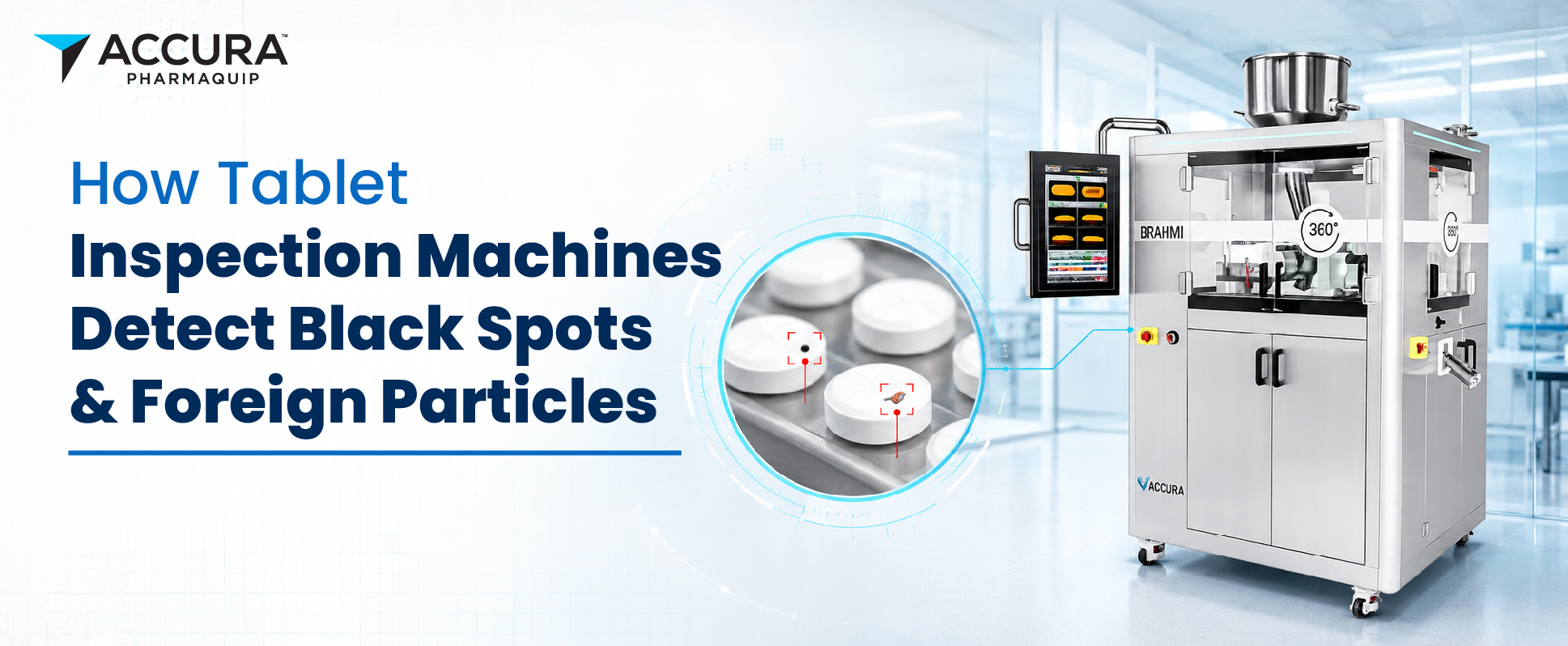
Pharmaceutical companies have been using a variety of advanced inspection technologies, notably 360 degree visual inspection systems, to produce flawlessly made tablets and to comply with global quality standards.
Understanding Typical Defects in Tablets & Capsules
What Are Tablet & Capsule Defects?
Problems found with tablets & capsules are called “tablet & capsule defects.” Problems are irregularities in the physical appearance, size, shape, or surface finish of a tablet that do not meet the quality specifications of a product. The problems found in tablets are commonly categorized into three types: mechanical, cosmetic, and functional.
- Mechanical problems are problems affecting the structure of the tablet (i.e., the tablet breaks apart or develops chips);
- Cosmetic problems are problems with the appearance of the tablet & capsule that does not affect how the drug works.
- Functional problems are problems that affect how the drug dissolves, breaks down, or delivers the correct amount of active ingredient to the body.
Each type of problem provides different challenges. While mechanical and functional problems can potentially decrease the effectiveness of the drug, cosmetic problems can affect a company’s brand reputation, customer acceptance of their product, and ultimately result in rejected shipments and/or costly product recalls.
Common Types of Typical Defects in Tablets & Capsules
1. Visual / Cosmetic Defects
Visual/cosmetic problems are the most common typical defects in tablets & Capsules associated with tablet production. Some common problems include:
- Chipping and capping – where small pieces break away from the edge(s) of the tablet or the top surface of the tablet breaks away due to inadequate compression or trapped air.
- Lamination – a condition where the tablet splits into two or more distinct layers resulting from inadequate uniform pressure applied to the powder bed.
- Sticking and picking – where the powdered material sticks to the punches or die during compression and remains attached to the punch or die, resulting in a damaged or defective surface.
- Mottling – where there are areas on the surface of the tablet that are not uniformly colored, usually caused by poor mixing of the dyes or other coloring agents.
These problems are often developed during the compression or coating phases of tablet production and are typically related to characteristics of the powdered material used to make the tablets, tooling wear, or environmental factors (e.g. temperature, humidity).
2. Dimensional and Shape Defects
Size/shape problems include issues such as irregular tablet sizes, double impressions, and non-uniform weights. Non-uniform tablet sizes and weights are not only unacceptable based on pharmacopeial standards, but also can negatively affect the amount of active ingredient delivered to the body, and therefore, can negatively affect the therapeutic effect of the medication.
3. Surface/Coating Problems
The coating layer serves two purposes; it protects the tablet from damage and it improves the appearance of the tablet. Some common problems with the coating layer include:
- Orange peel texture or rough surface
- Cracking of film or peeling of film
- Uneven or discolored coating
These problems are typically related to problems with the coating process itself (e.g. incorrect application of the coating solution), temperature fluctuations, or malfunction of equipment used in the coating phase.
4. Printing and Engraving Defects
Tablets with printed logos or engraved identifiers can suffer from misprints, blurred text, or incomplete markings. Such issues affect traceability and brand authenticity, especially in markets with strict serialization requirements.
Book a live machine demo
Causes of Tablet & Capsule Defects
Tablet & capsule problems are typically the result of a combination of raw material characteristics, processing variables, and environmental factors, including:
- Variations in raw materials (e.g. particle size, flow rate, moisture content)
- Incorrect processing conditions (e.g. incorrect granulation/compression parameters, excessive pressure or inadequate drying)
- Wear and tear on tools/equipment used in processing tablets (e.g. uneven compression due to worn punches/dies, or sticking of powdered material to punches/dies)
- Environmental effects (temperature/humidity changes) on coating adhesion and tablet hardness
Determining and correcting the source of these problems is important to ensure that all batches of tablets are manufactured correctly.
Traditional Methods of Tablet & Capsule Inspection
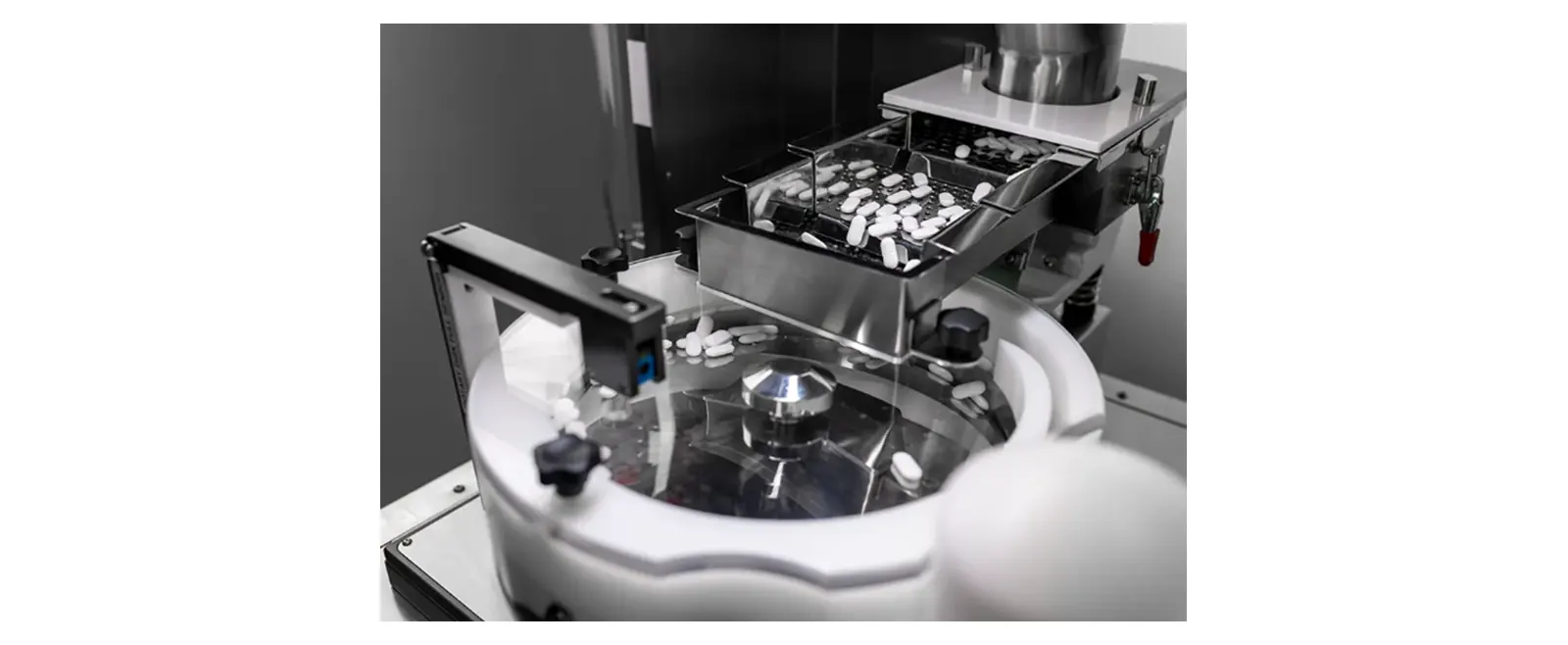
Prior to the advent of automated inspection machines, manufacturers inspected tablets manually (a technique where trained inspectors visually inspect the tablets in a controlled light environment). While this method can detect grossly visible defects, it has several disadvantages:
- Human subjectivity/error
- Results vary depending on the inspector’s level of fatigue or inconsistent judgments
- Slower than required to inspect large quantities of tablets in high volume production facilities
Inspection methods that rely on humans are not able to provide the same level of precision and throughput that is expected of today’s pharmaceutical manufacturing.
Conclusion
In the highly regulated pharmaceutical industry, ensuring the highest standards of tablet and capsule quality is essential for both patient safety and brand reputation. Typical defects in tablets & capsules whether mechanical, cosmetic, or functional can arise from raw material inconsistencies, process deviations, or equipment wear, making effective inspection a critical step in manufacturing.
For additional information about our services and/or scheduling a meeting with one of our experts regarding advanced inspection technologies please refer to our website or contact the Accura Pharmaquip Team.