

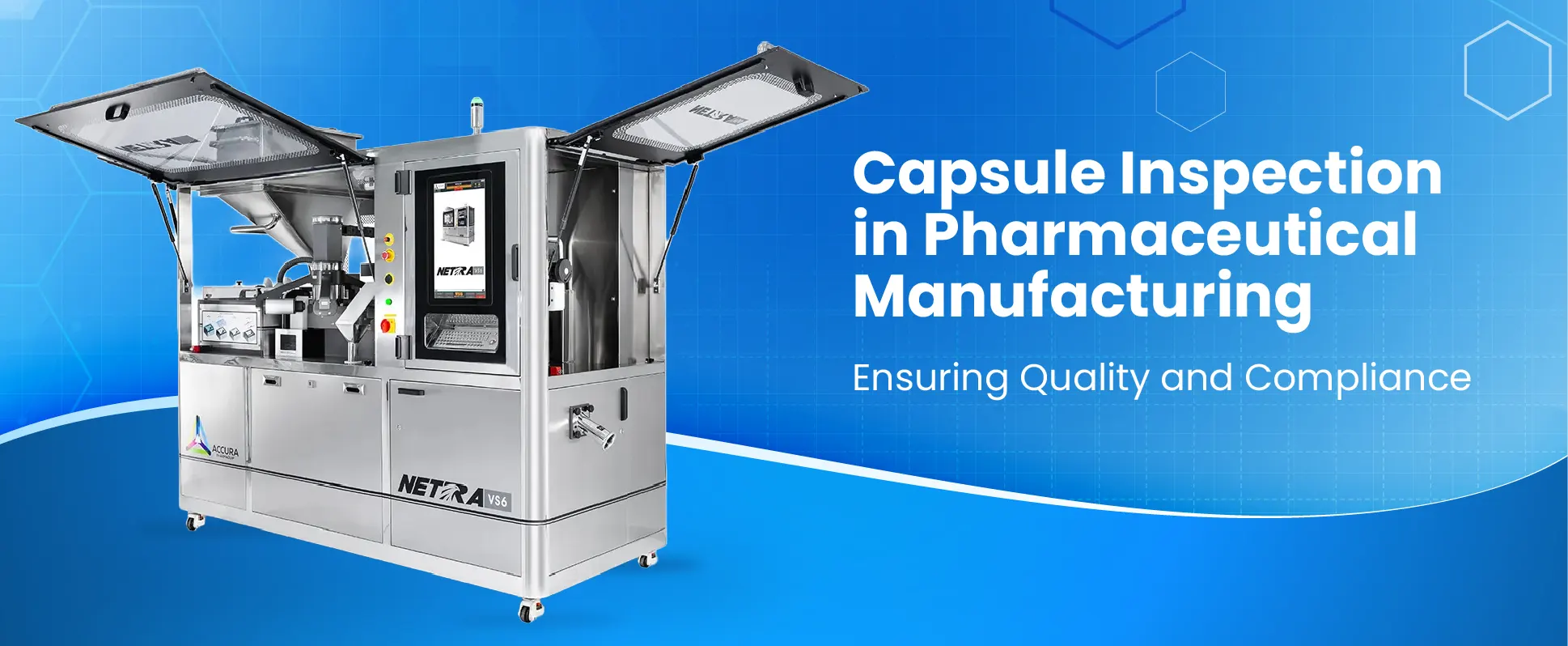
Capsules have been an extremely common dosage form for many years in the pharmaceutical manufacturing environment. This is primarily because they are easy for patients to consume, provide consistent amounts of medication per dose, and come in various formulations (powder or granule fill, liquid fill, etc.). This is the point at which the capsule inspection is critical. The use of capsule inspection is an important quality control check to help assure that only defect-free capsules will be moved through to the next phase of production; thus assuring compliance with all applicable regulations and protecting brand identity.
However, the quality of capsules must be maintained in order to ensure that the products produced will meet quality standards. The slightest variation may lead to inconsistent dosages, potential instability of products, and compromise the safety of patients. In today’s climate of increased regulatory oversight and customer expectations of high-quality products, the risk associated with defective capsules becoming part of the finished goods inventory is too great. Therefore, inspecting capsules is critical to ensuring the integrity of each capsule being passed through the production process.
Capsule inspection involves visually inspecting or evaluating the filled capsules against established criteria for quality prior to their placement into packages for distribution.
Capsule Inspection is usually performed once all capsules have been filled and sealed, and just prior to packaging. The role of Capsule Inspection is to act as a final checkpoint to remove defective units from the process stream.
All pharmaceutical companies must comply with all GMPs and regulations of worldwide regulatory agencies. Capsule inspections are a means for adherence to these requirements to ensure the timely detection of potential capsule defects through tracking and documentation.
Capsules containing incorrect fill volumes, i.e., underfilled, overfilled, or improperly sealed, can lead to incorrect administration of medication, which may affect both the efficacy of the therapy being administered to patients and ultimately their health status.
Companies with inconsistent product quality have less consumer trust than companies that produce consistent quality products. Inspection of capsules is essential in ensuring consistency in the production of pharmaceutical products for high-quality standards and credibility in competitive markets.
Inspecting for defects early on in the manufacturing process will reduce waste and re-work, therefore reducing the cost associated with producing defective products. In addition to increasing efficiency in manufacturing processes, performing inspections will prevent large-scale recalls of defective products.
Cause: Improper handling, poor shell quality, or incorrect machine settings
Risk: Leakage of contents and compromised dosage
Cause: Faulty filling equipment or incorrect alignment
Risk: Capsule opening during transport or consumption
Cause: Inconsistent filling process or material flow issues
Risk: Inaccurate dosing affecting efficacy and safety
Cause: Inconsistent coating or printing errors
Risk: Brand inconsistency and potential regulatory concerns
Cause: Contamination from environment or machinery
Risk: Serious health hazards and compliance violations
Ideal for modern pharmaceutical facilities handling high production volumes and strict compliance requirements.
The use of advanced technologies has improved the speed and accuracy of capsule inspection methods.
Machine vision and high-resolution imaging capabilities that are able to detect microscopic defects with great precision.
Defects can be detected using AI-based technology, which learns from data patterns and will increase the chances of accurate defect detection as well as decrease the number of false rejects.
The ability to monitor and analyze real-time data allows for greater process control and ultimately will lead to fewer defective products.
A connection through Industry 4.0, or “smart factory,” will allow inspection systems to communicate directly with the digital manufacturing platform, providing enhanced product tracing and manufacturing optimization.
The leader in pharmaceutical manufacturing equipment inspections, Accura Pharmaquip offers the most advanced capsule inspection systems available for today’s large-scale production facilities.
Accura Pharmaquip helps manufacturers improve productivity, maintain compliance, and achieve superior quality assurance with minimal downtime.
Capsule inspection is an important element of the pharmaceutical manufacturing process; it enables drug manufacturers to ensure their products are safe, of good quality and comply with regulations. In light of ongoing changes within the pharmaceutical sector, using old-fashioned or manual methods of inspection will be inadequate going forward.
Modern inspection solutions are necessary to address these changing requirements, and that is where Accura Pharmaquip fits into this picture. The company provides customers with both compliant and custom-designed inspection systems designed to provide the highest level of precision.
We at Accura Pharmaquip can help you upgrade your capsule inspection system.
Please contact Accura Pharmaquip today to receive information about developing customized, high-performance inspection solutions for your specific production needs.
Capsule inspection entails a review of filled capsules as part of ensuring these meet the requirements for Quality, Safety and Compliance prior to being packaged.
Ensuring correct dosing, preventing products with faults/defects from being sold to consumers, and complying with regulations by monitoring products throughout their development stages.
Common types of defects found when inspecting include cracks, improper seals (closures), inconsistent fills, varying colors, and contaminants.
Automated is generally preferred when dealing with large quantities. However, a manual may be used for smaller-scale operations.
Accura Pharmaquip offers highly customized inspection systems capable of improving operational efficiency, supporting regulatory compliance, and maintaining quality production standards within capsule manufacturing.
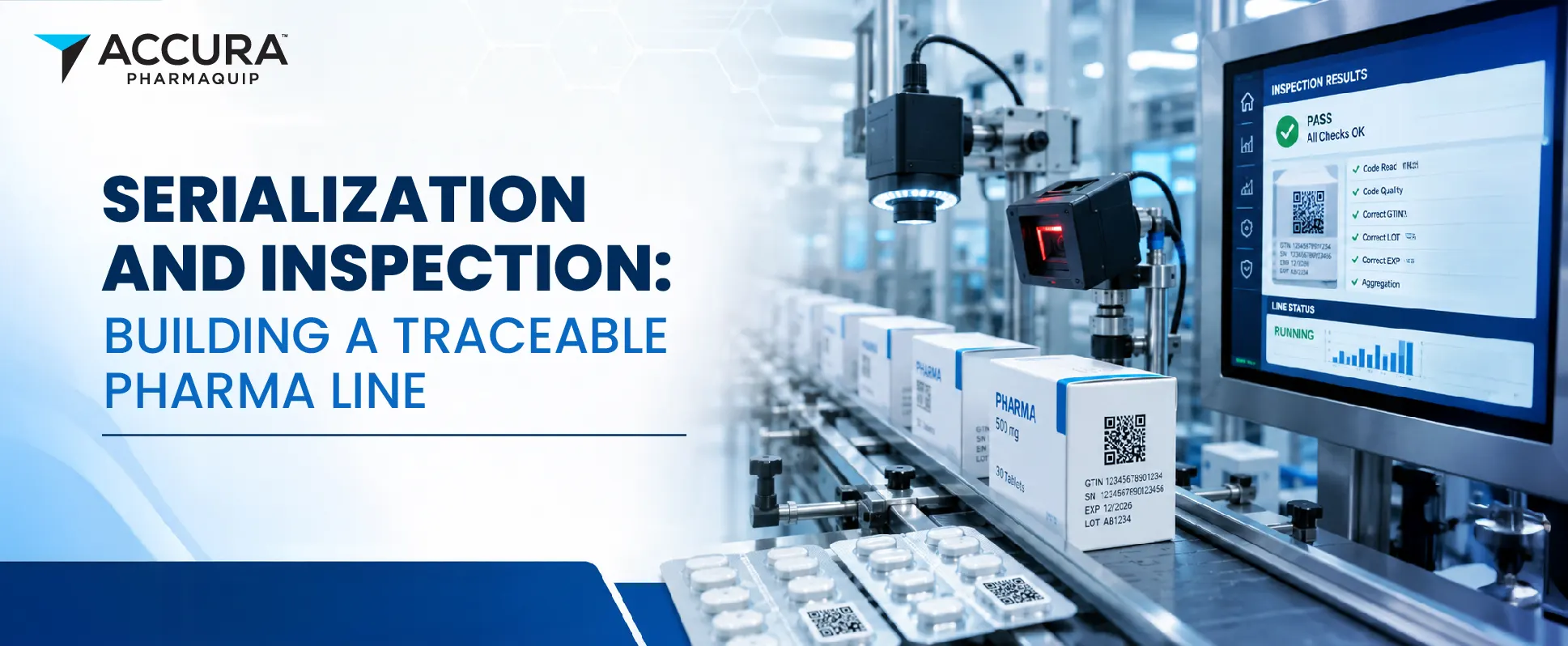
How Accura Pharmaquip’s advanced inspection techno...
Read More
Pharmaceutical companies are now choosing to selec...
Read More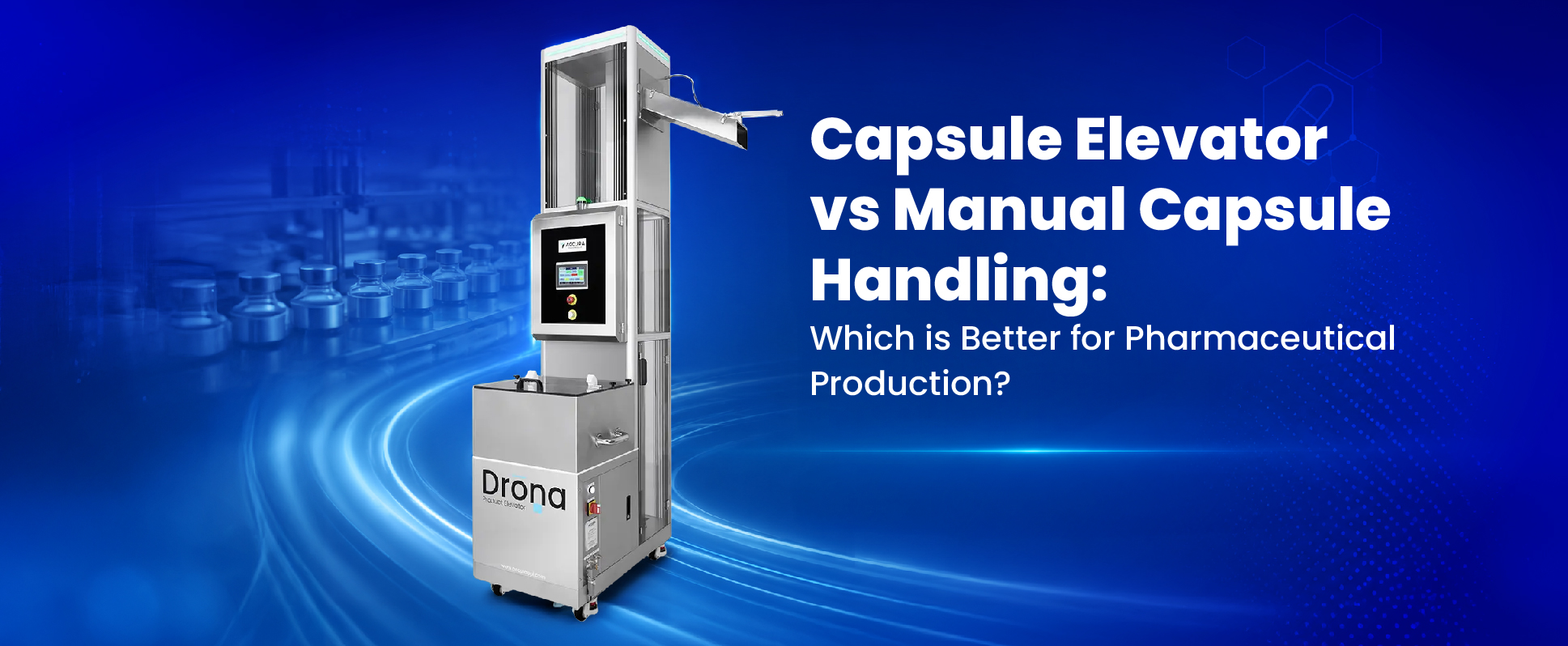
In addition to improving efficiency, reducing cost...
Read More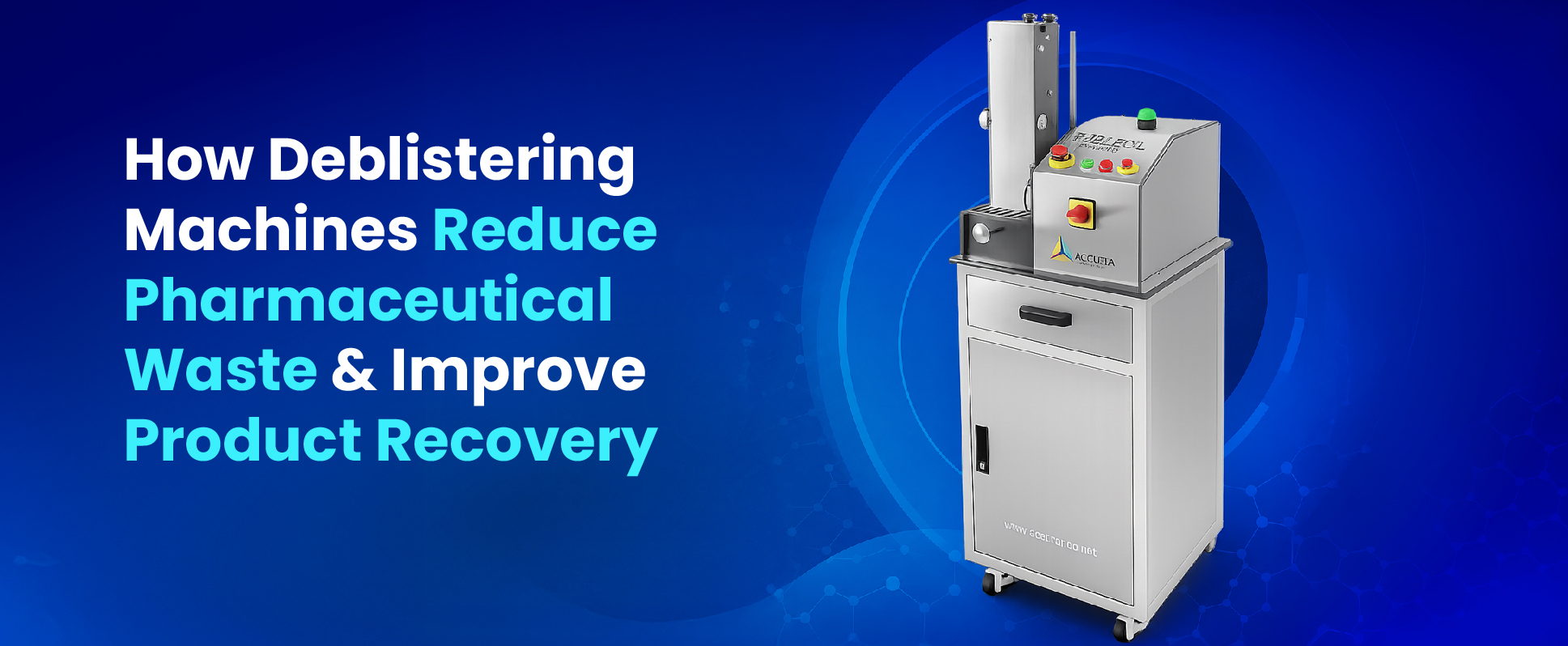
Modern Pharmaceutical manufacturing needs to be pr...
Read More

How Accura Pharmaquip’s advanced inspection technologies can help you implement serializat...
Read More
Pharmaceutical companies are now choosing to select capsules as an alternative to simply p...
Read More
In addition to improving efficiency, reducing costs, and improving productivity, efficient...
Read More
Modern Pharmaceutical manufacturing needs to be precise, compliant and economical. Minor b...
Read More
Today’s pharmaceutical manufacturing is far more sophisticated than in years past, d...
Read More
In drug manufacturing, the focus on quality control is paramount. The presence of one defe...
Read More
Packing line conveyor are an excellent solution for eliminating inefficiencies created in ...
Read More
Automatic Inspection Systems are an integral part of today’s Pharmaceutical Manufact...
Read More
Regulatory compliance is mandatory in Solid Dosage Manufacturing as a means of protecting ...
Read More
Liquid drug products require very high levels of quality and precision. Microscopic contamination...
Read More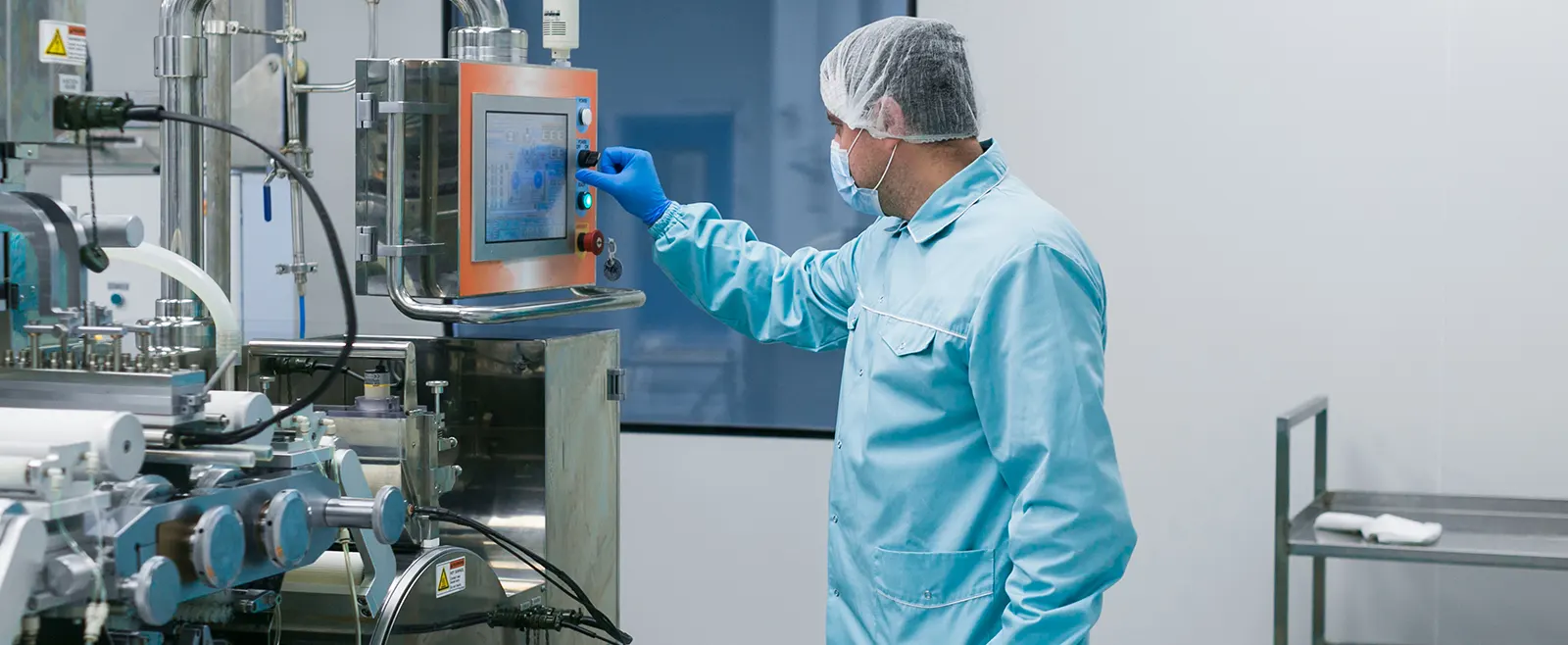
Ensuring that all of the drug ampules produced for injection are complete and meet the required q...
Read More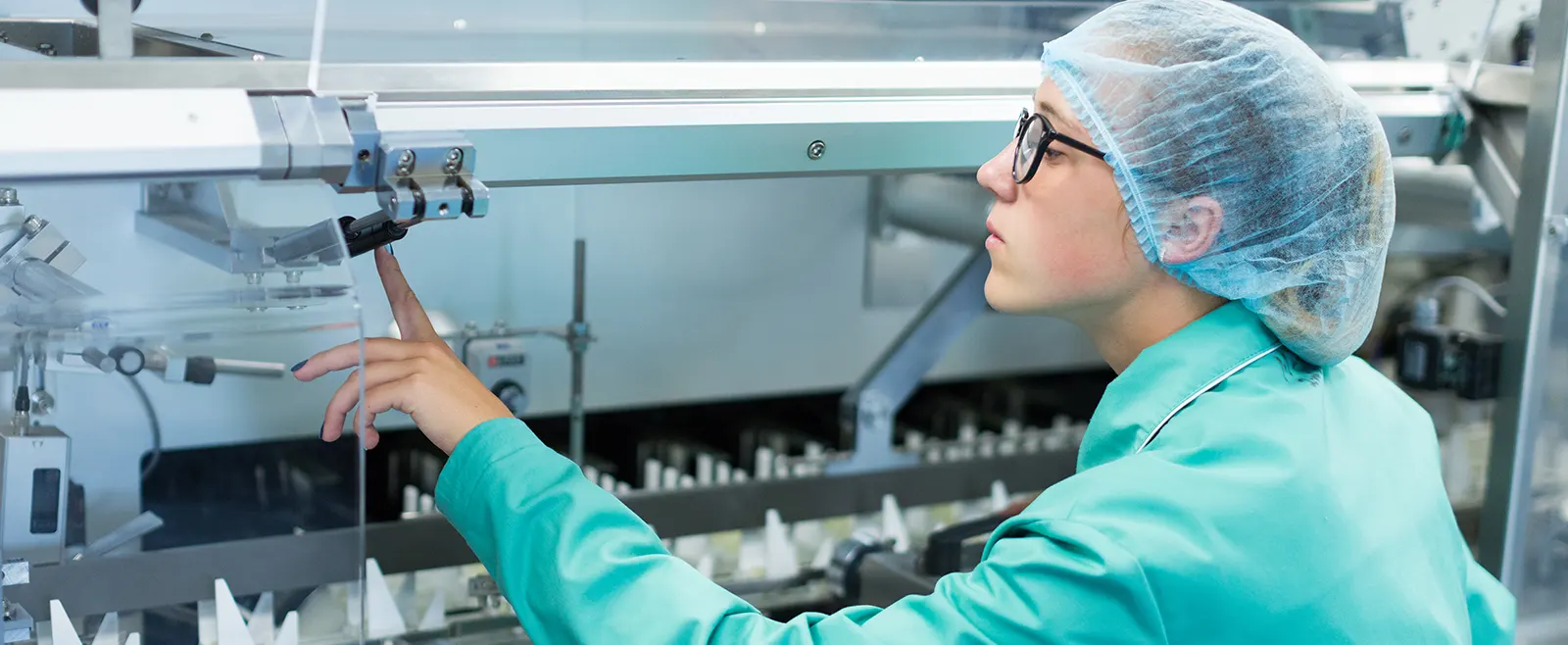
Automated inspection of injectable vials, vaccine vials, biologic vials and many other high value...
Read More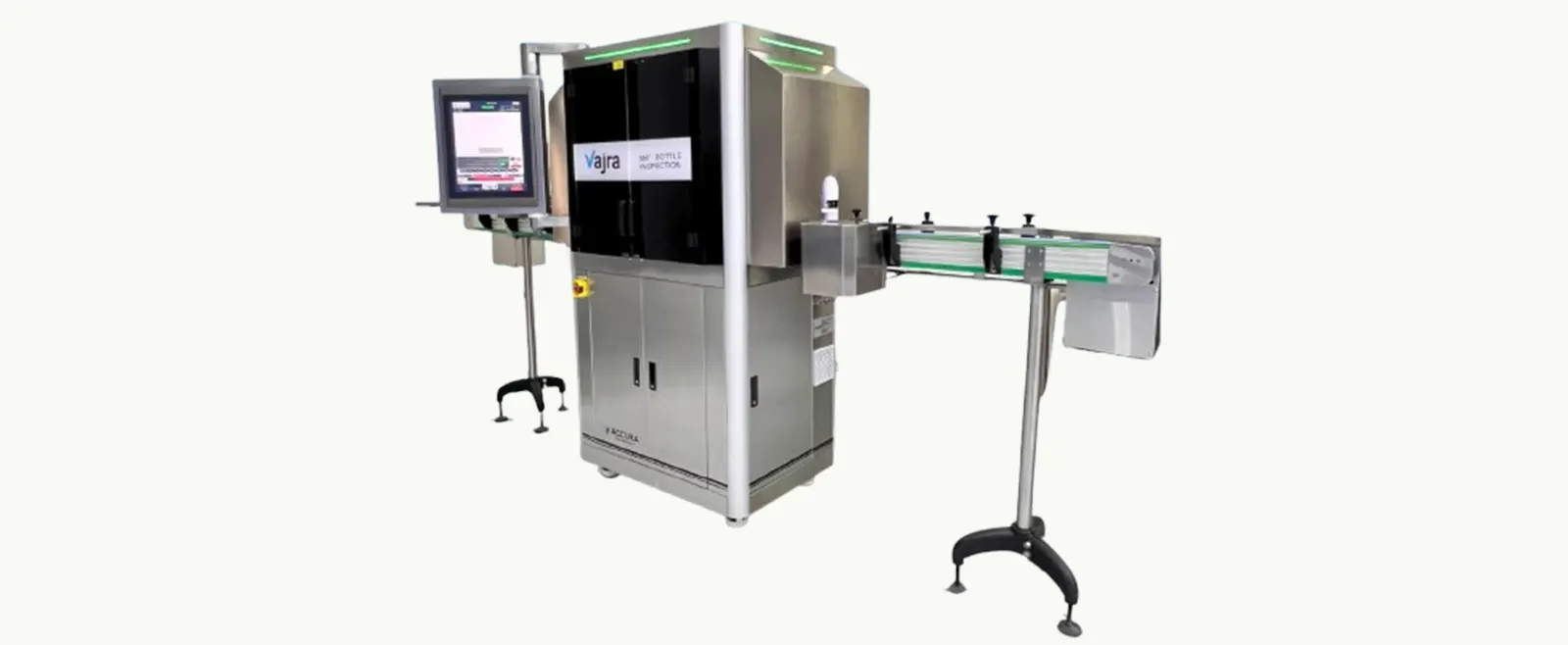
In the glass packaging industry, maintaining high-quality standards is essential. Whether used fo...
Read More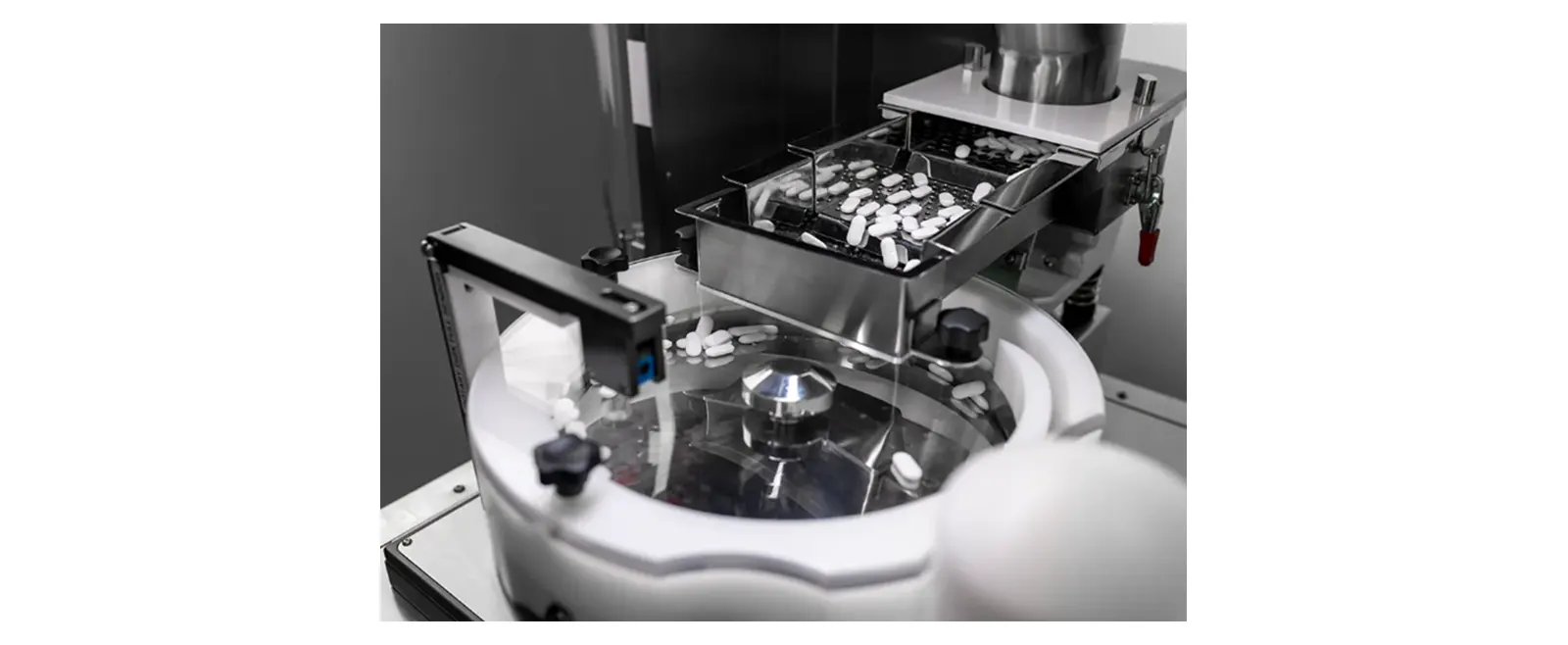
The pharmaceutical industry requires tablets produced at its highest possible quality to protect ...
Read More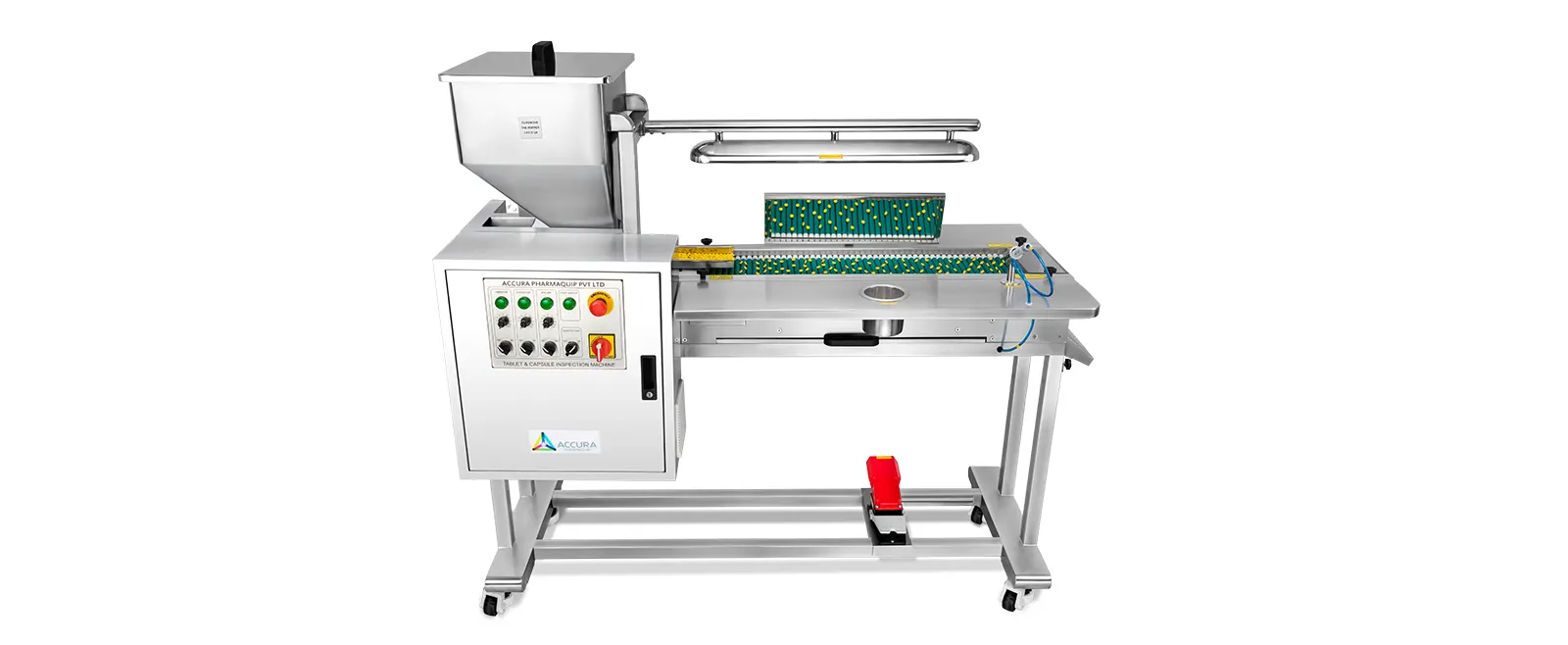
Quality assurance in the pharmaceutical industry is not simply a legal requirement; it is a moral...
Read More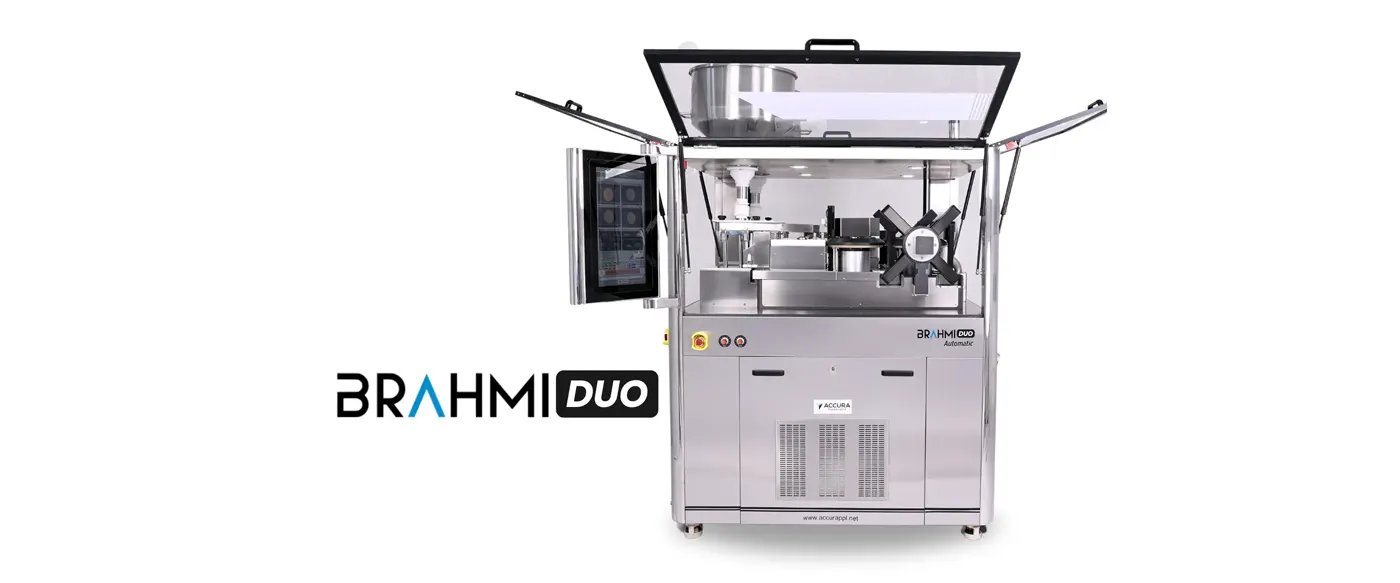
Precision, efficiency and adherence to regulatory requirements are essential in the manufacture o...
Read More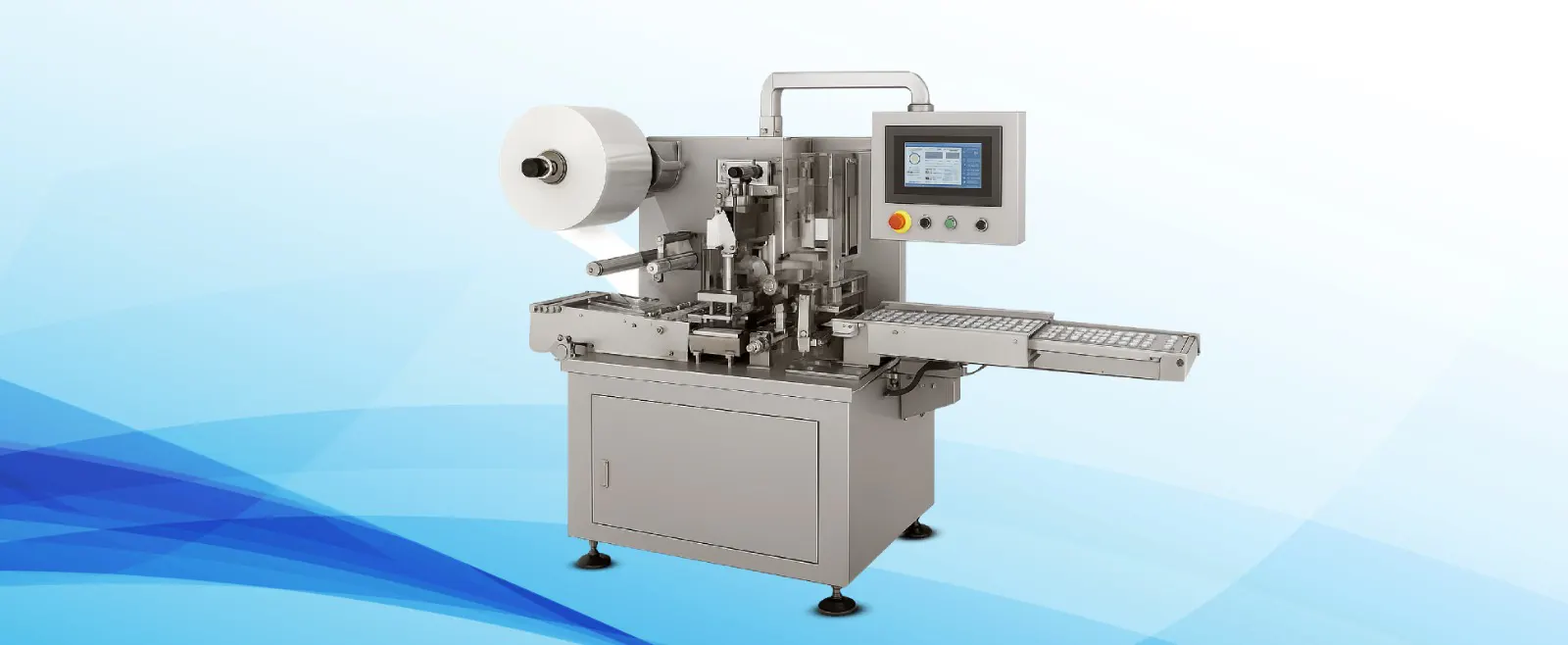
Strip packing is the most preferred and high-volume method of packaging solid oral dose forms, in...
Read More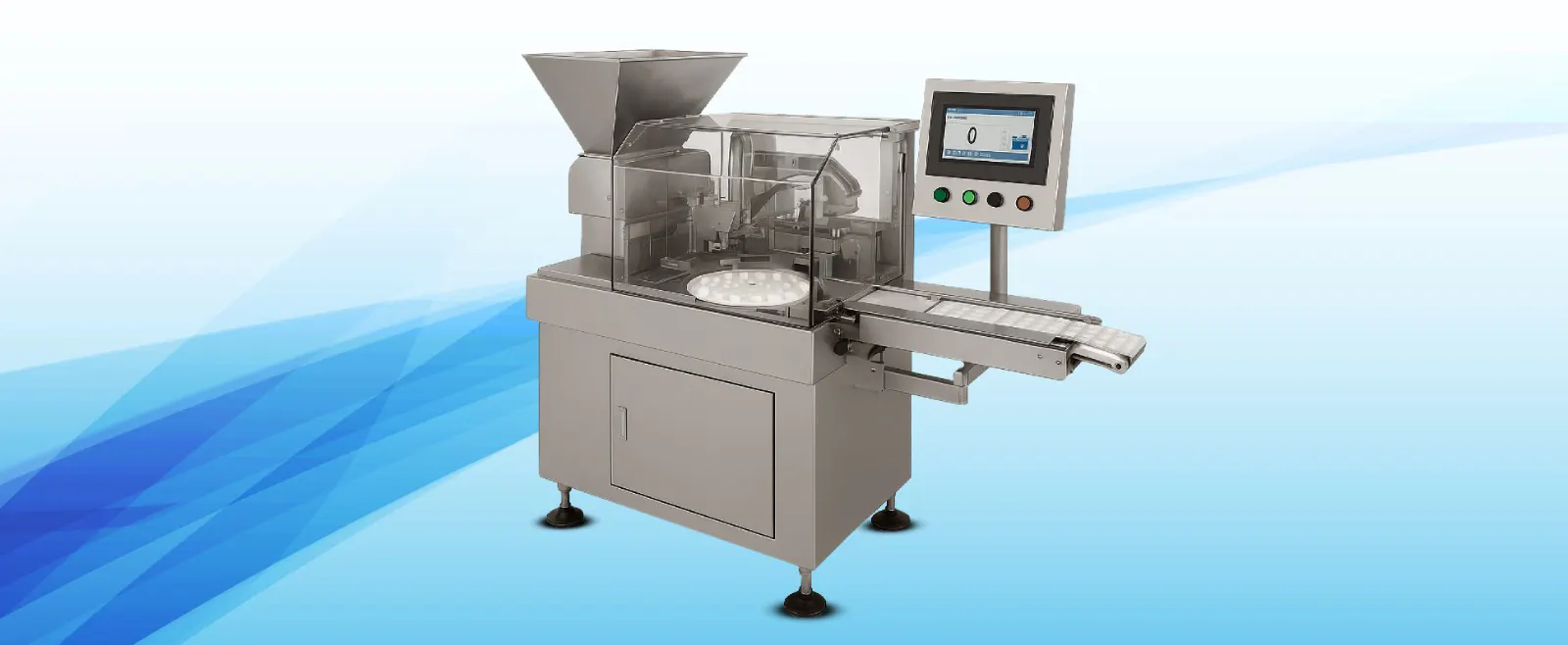
Pharmaceutical and nutraceutical manufacturers need to accurately count tablets and capsules to g...
Read More
Blister packaging plays a significant function in product safety, correct dosing, and consumer co...
Read More
Within pharma production, accuracy and productivity are not an option. Among the most critical bu...
Read More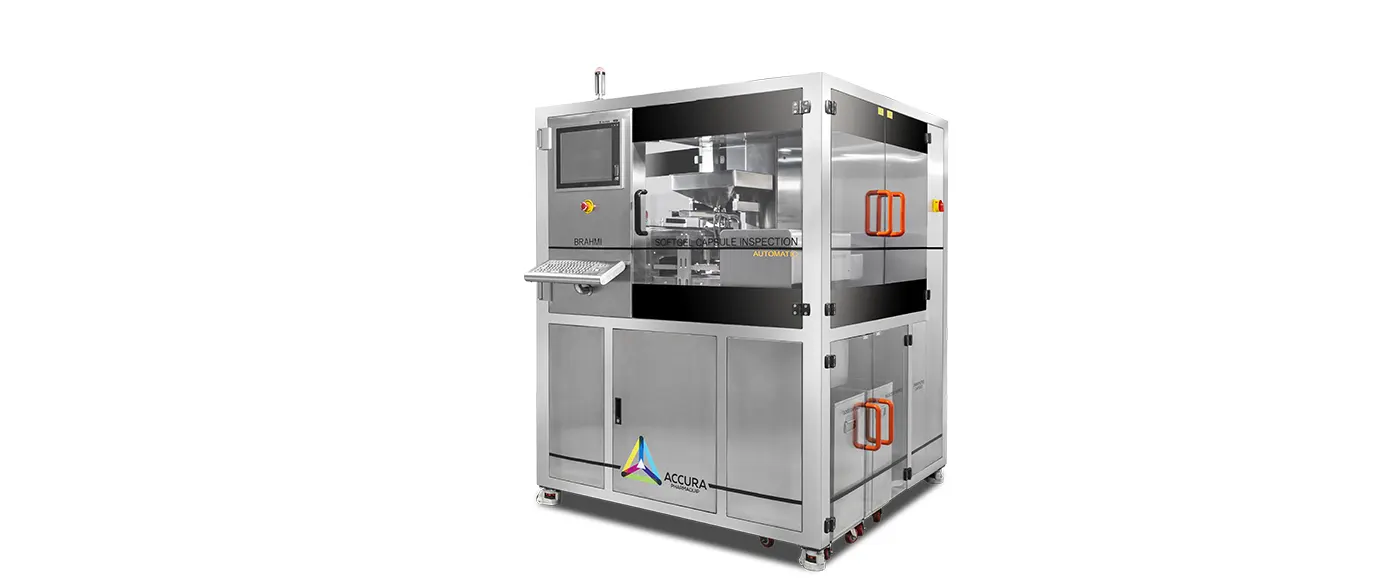
Nutraceutical and pharmaceutical production quality assurance is a no-compromise necessity. Ensur...
Read More
Deblistering machines play a vital role in pharmaceutical production by ensuring that tablet and ...
Read More
With the speed of the world accelerating further, efficiency and hygiene are increasingly importa...
Read More
In the pharmaceutical industry, packaging is not just about presentation, it is a critical part o...
Read More
Have you ever wonder why automated inspection is no longer optional and how Automatic Tablet and ...
Read More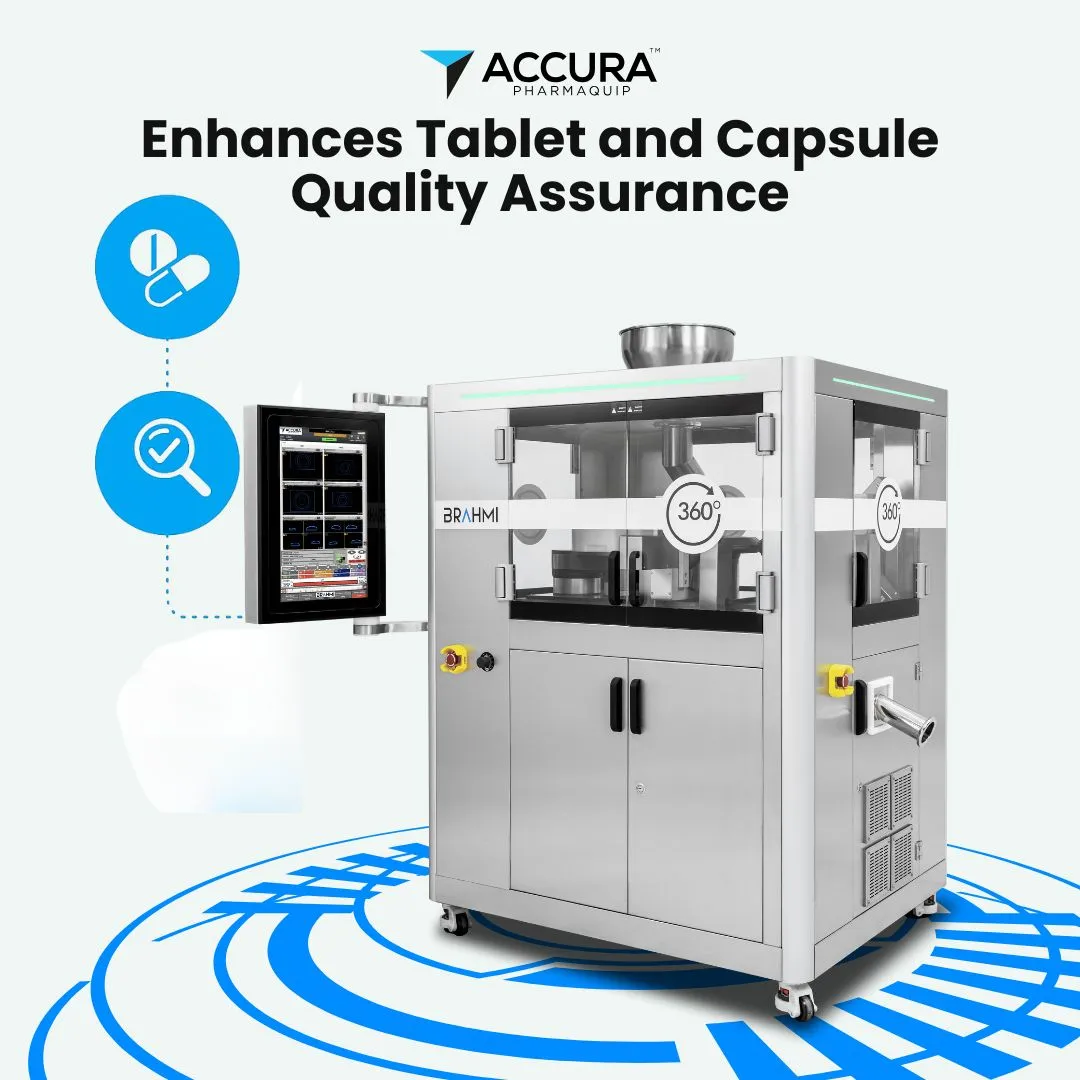
Quality control in pharmaceuticals isn’t just a step — it’s the heart of safe medication. Every p...
Read More
Enhancing Pharmaceutical Quality Control with Brahmi: The Best Tablet and Capsule Sorter. Common ...
Read More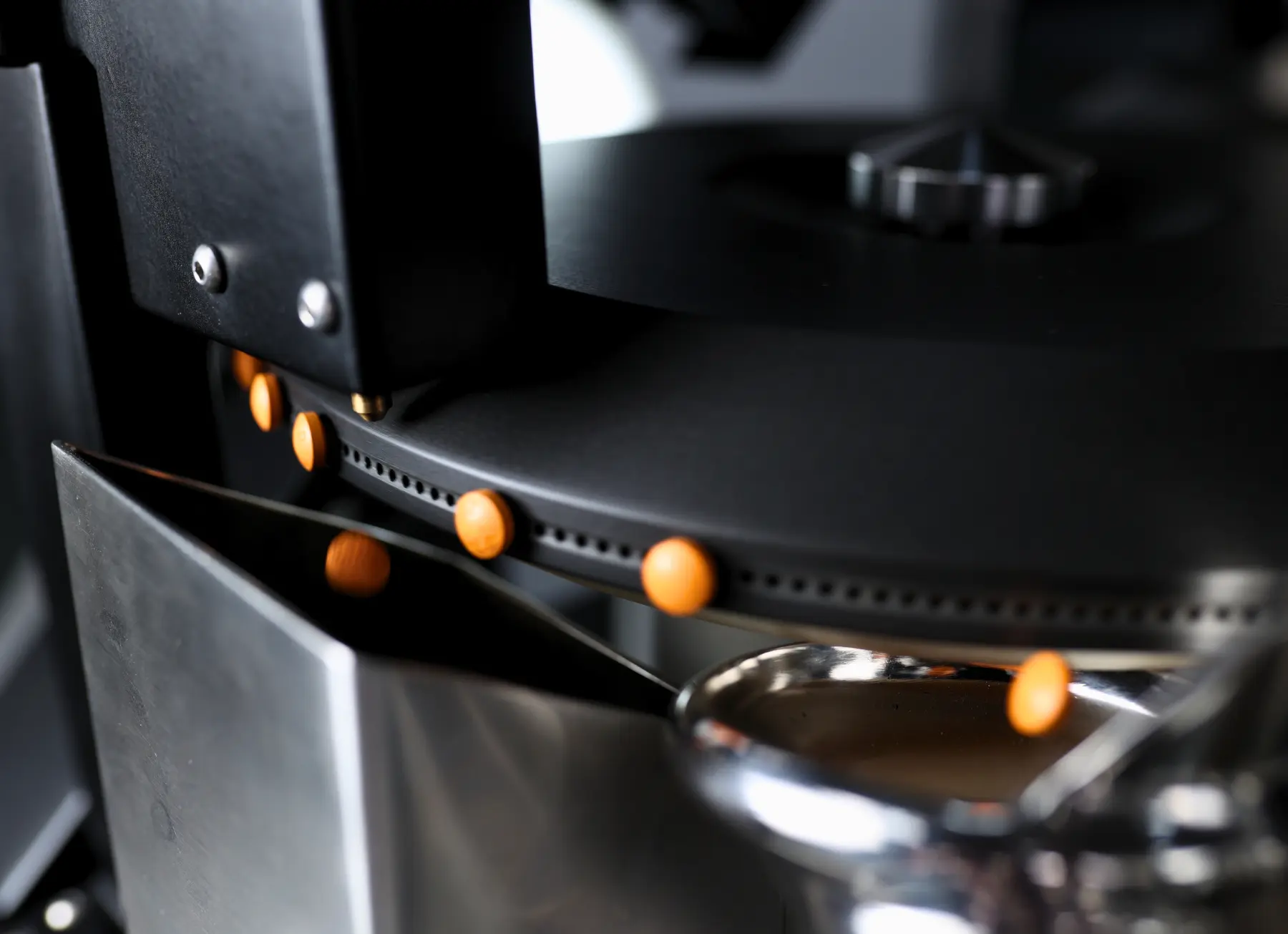
In pharmaceutical manufacturing, quality control is essential. The safety of medicines depends on...
Read More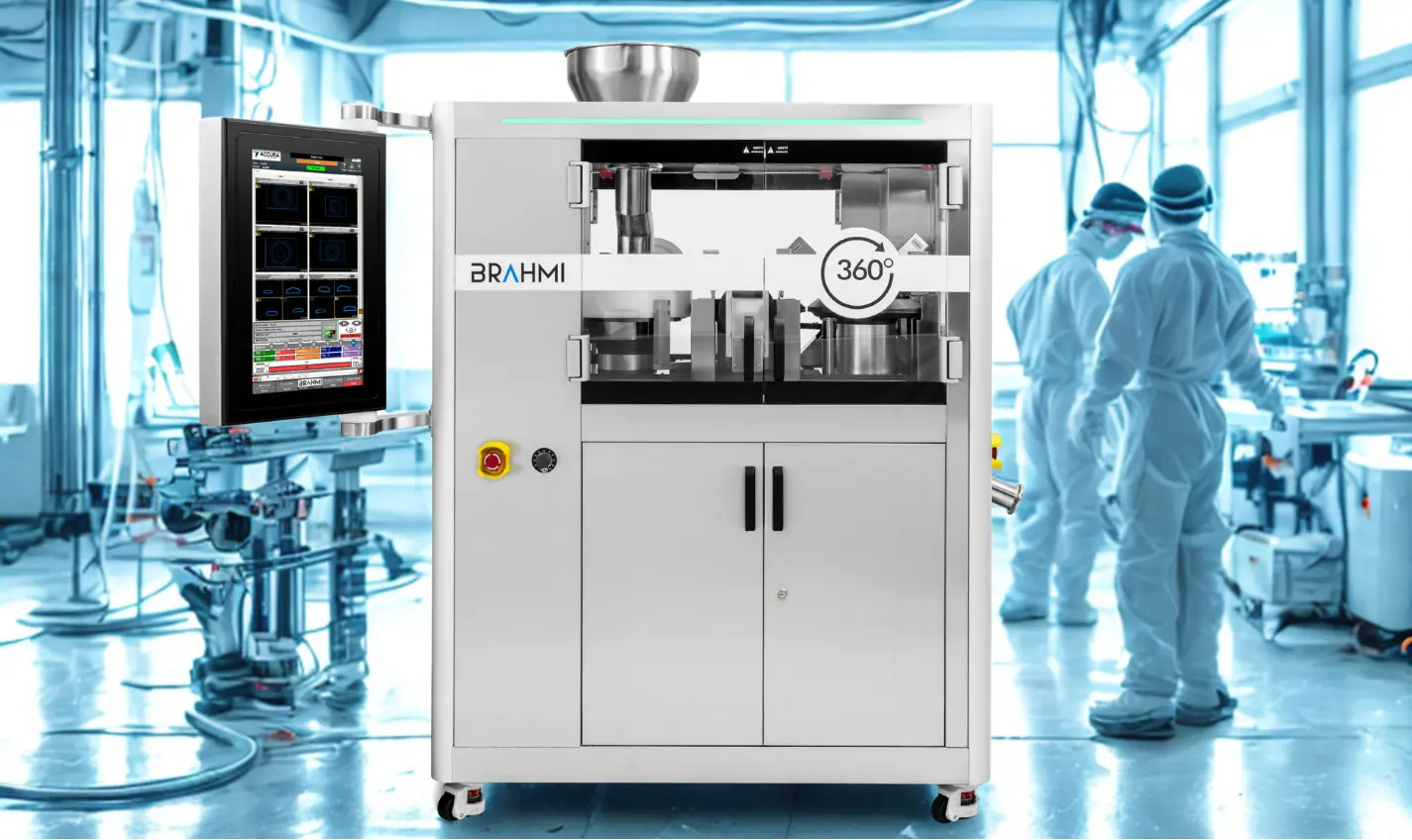
Suppose a scenario. A shipment of pills departs a pharma plant. They don’t know it, but som...
Read More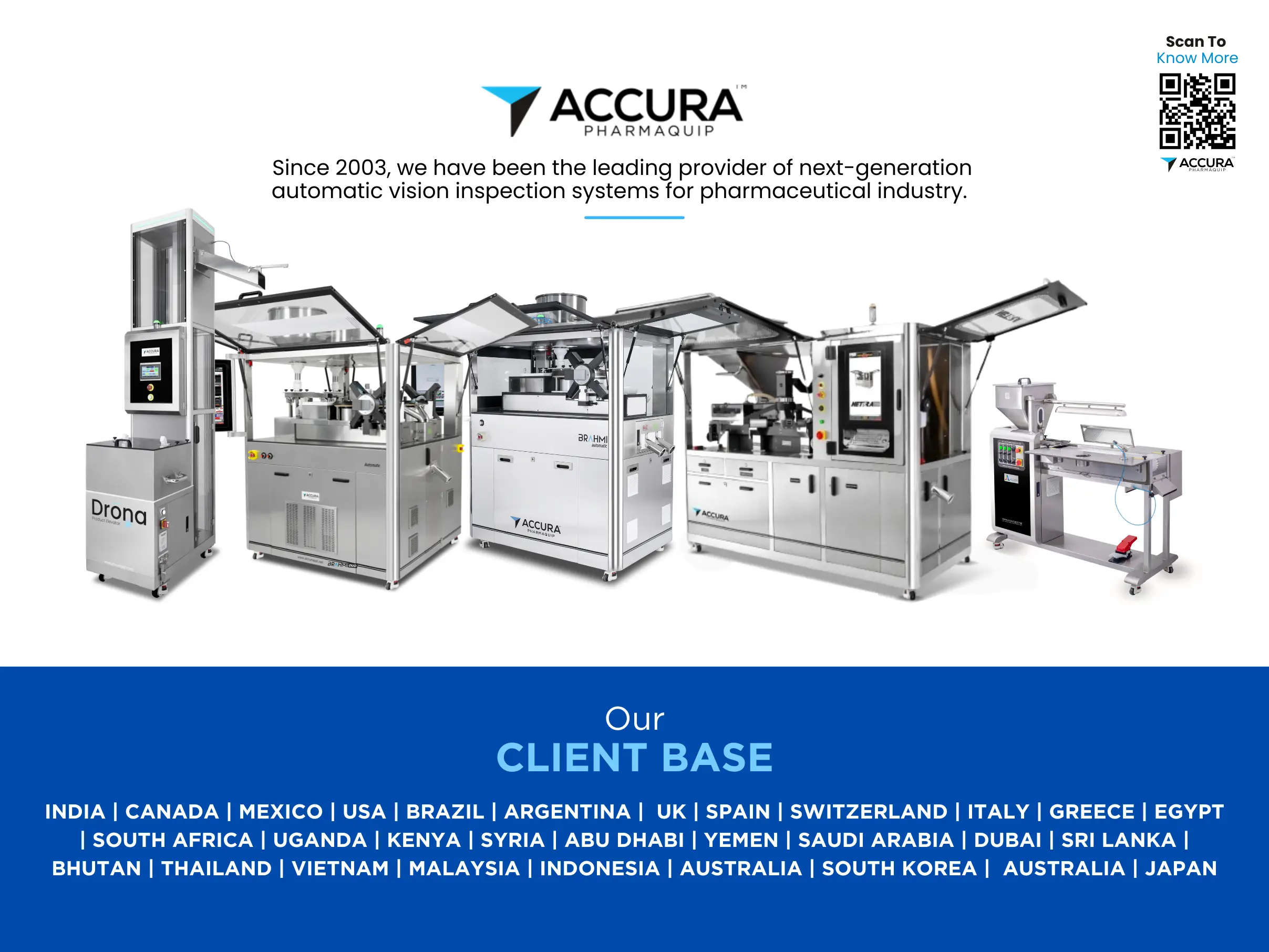
Accura Pharmaquip continues to lead the charge in pharmaceutical quality inspection technology wi...
Read More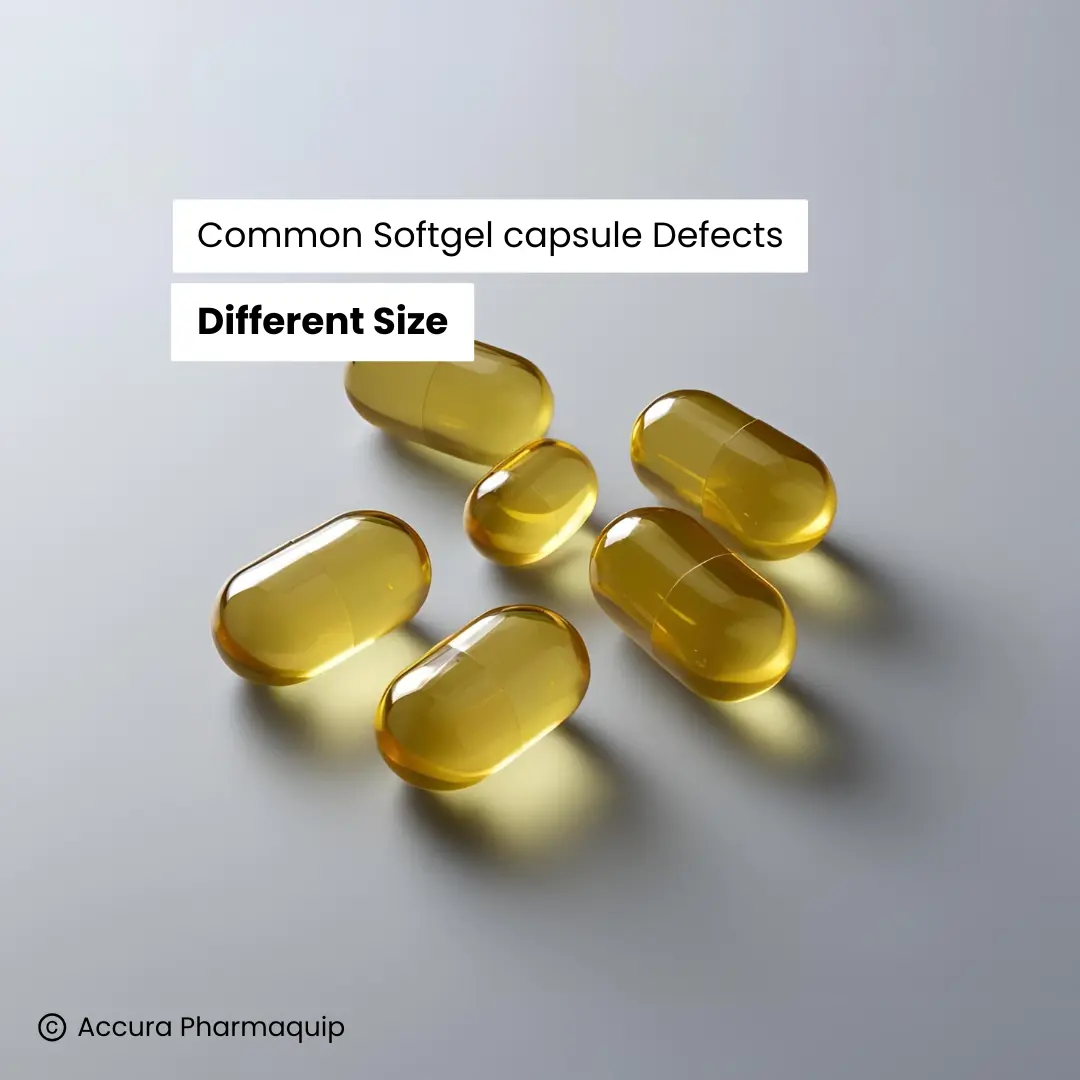
The Revolutionary Brahmi DUO (Automatic Tablet and Capsule Inspection Machine) working principle:...
Read More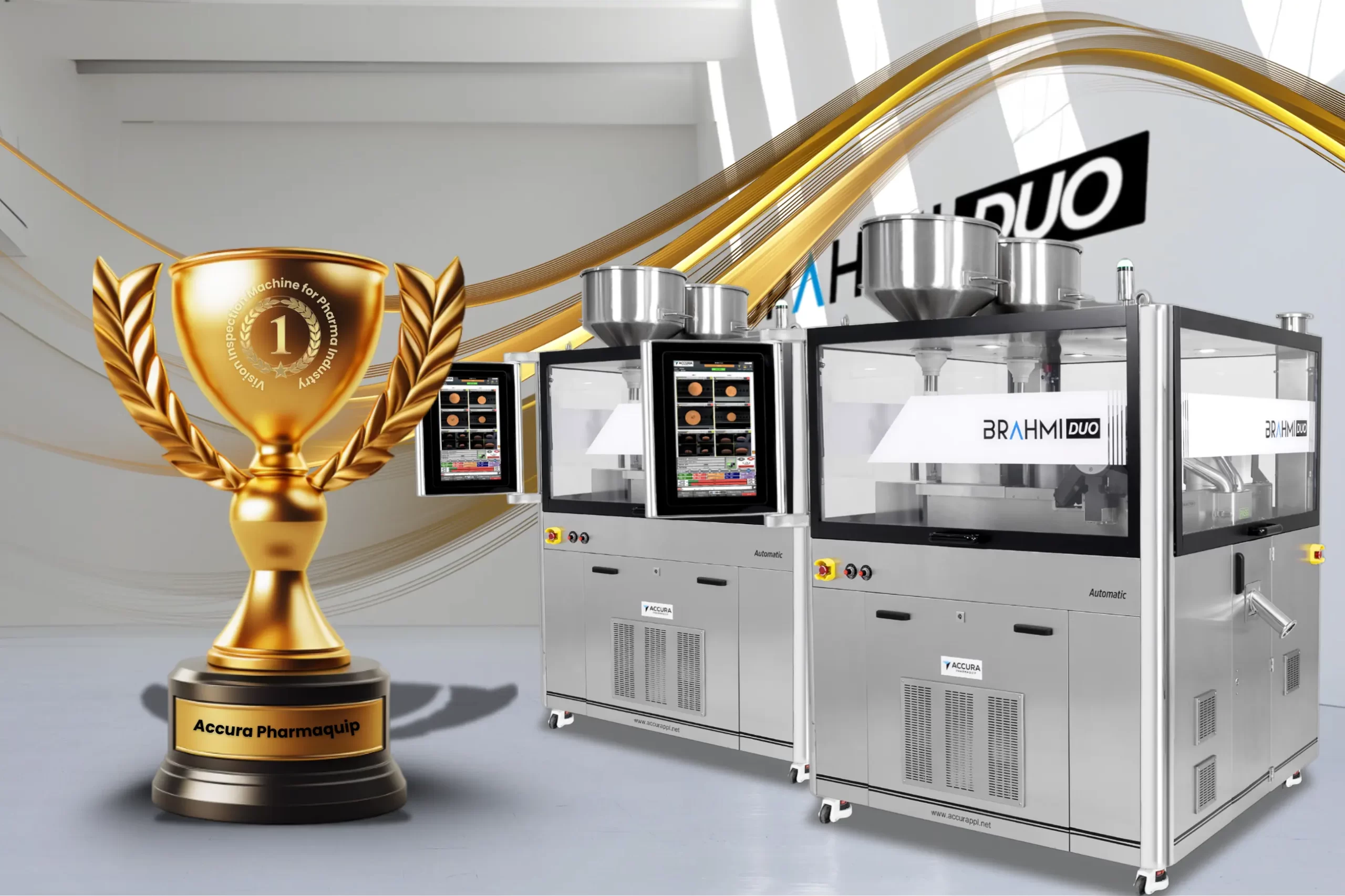
Brahmi DUO (Automatic tablet and capsule inspection machine): Revolutionizing Pharmaceutical Qual...
Read More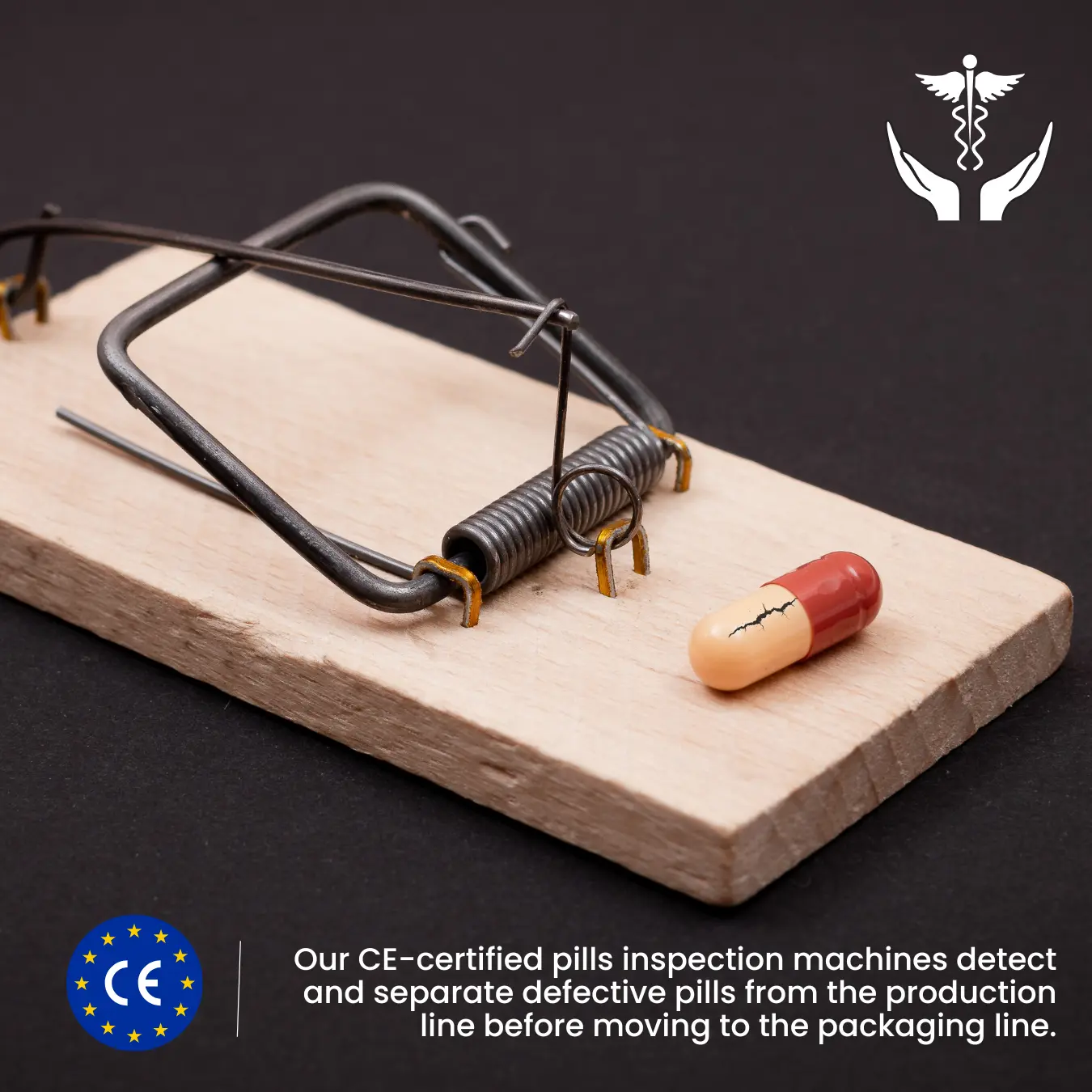
Protect Your Brand: By Detecting Defective Capsules in Production: In the ever-evolving pharmaceu...
Read More
Drona: The Innovative Product Elevator Transforming the Pharmaceutical Industry. In an era where ...
Read More
Pharmaceutical companies have a crucial responsibility to ensure that their products are of the h...
Read More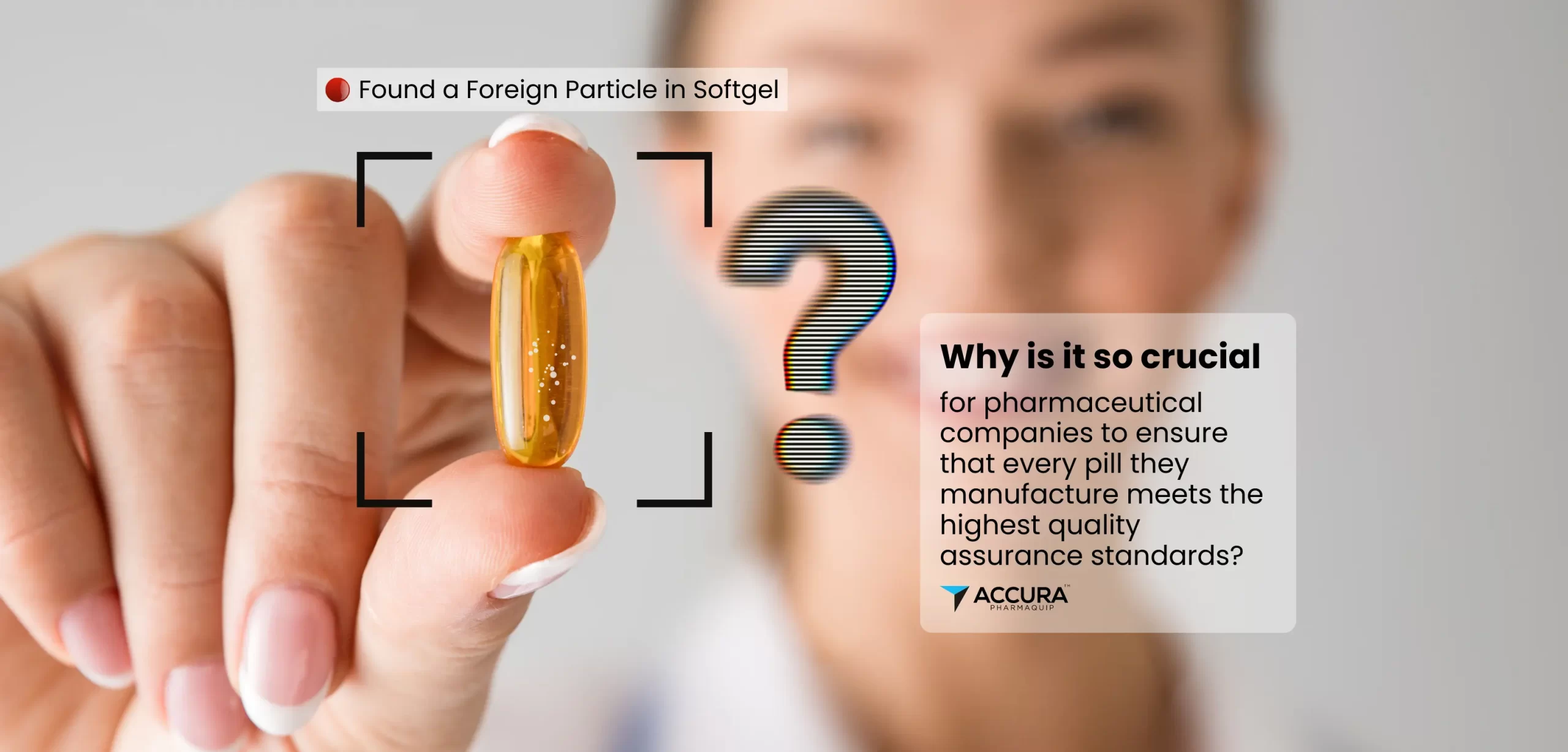
Why is quality assurance critical in pharmaceutical production? Why is it so crucial for pharmace...
Read More
In the fast-paced world of pharmaceutical manufacturing, quality control is paramount. Every tabl...
Read More
In the pharmaceutical industry, the inspection of pills is a crucial step in ensuring the quality...
Read More
Accura Pharmaquip is a leading provider of advanced vision inspection systems for the pharmaceuti...
Read More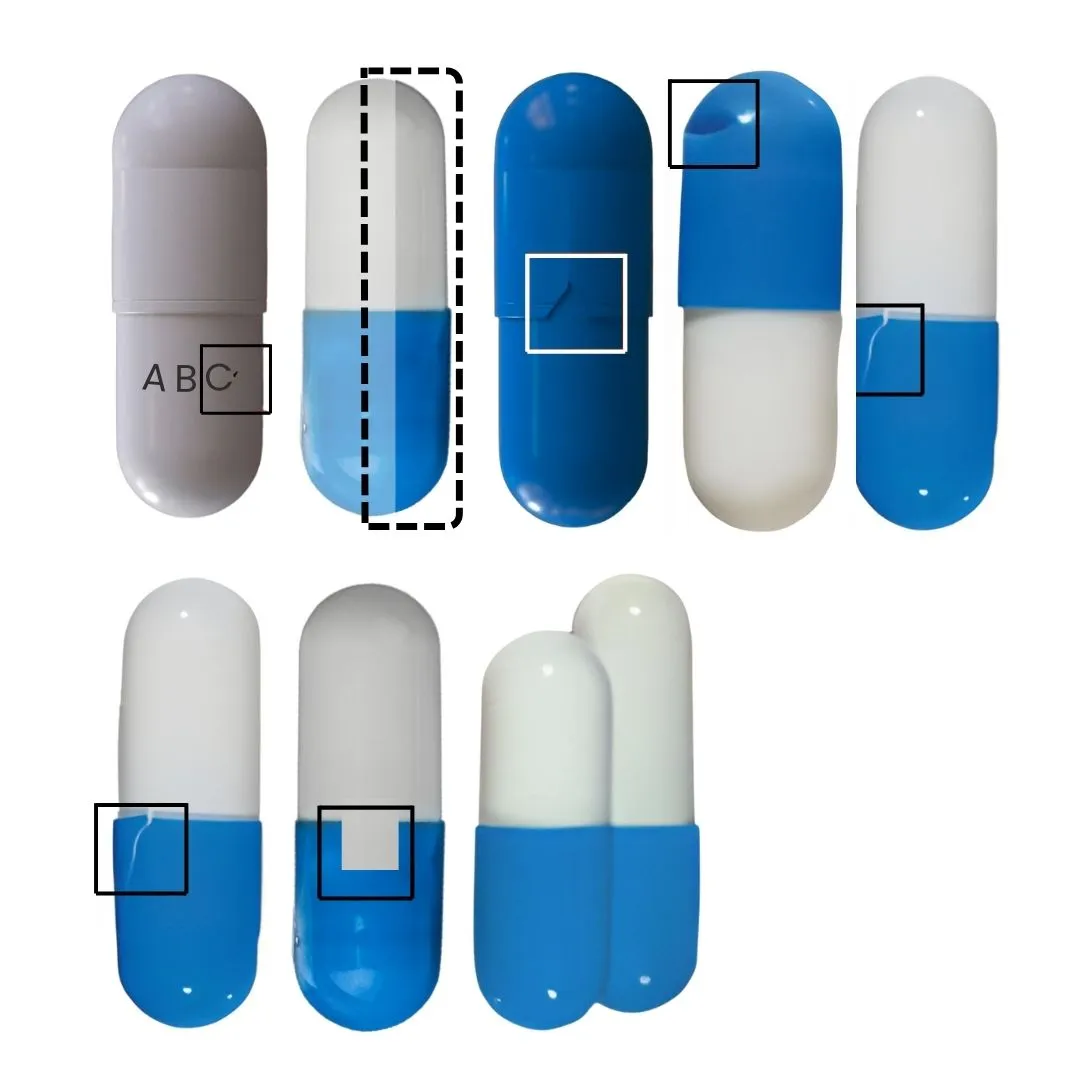
A View on the Most Popular and COMMON HARD GEL CAPSULE DEFECTS and Its Reasons. In the world of p...
Read More
25 compelling reasons to use ACCURA PHARMAQUIP’s automatic tablet and capsule inspection ma...
Read More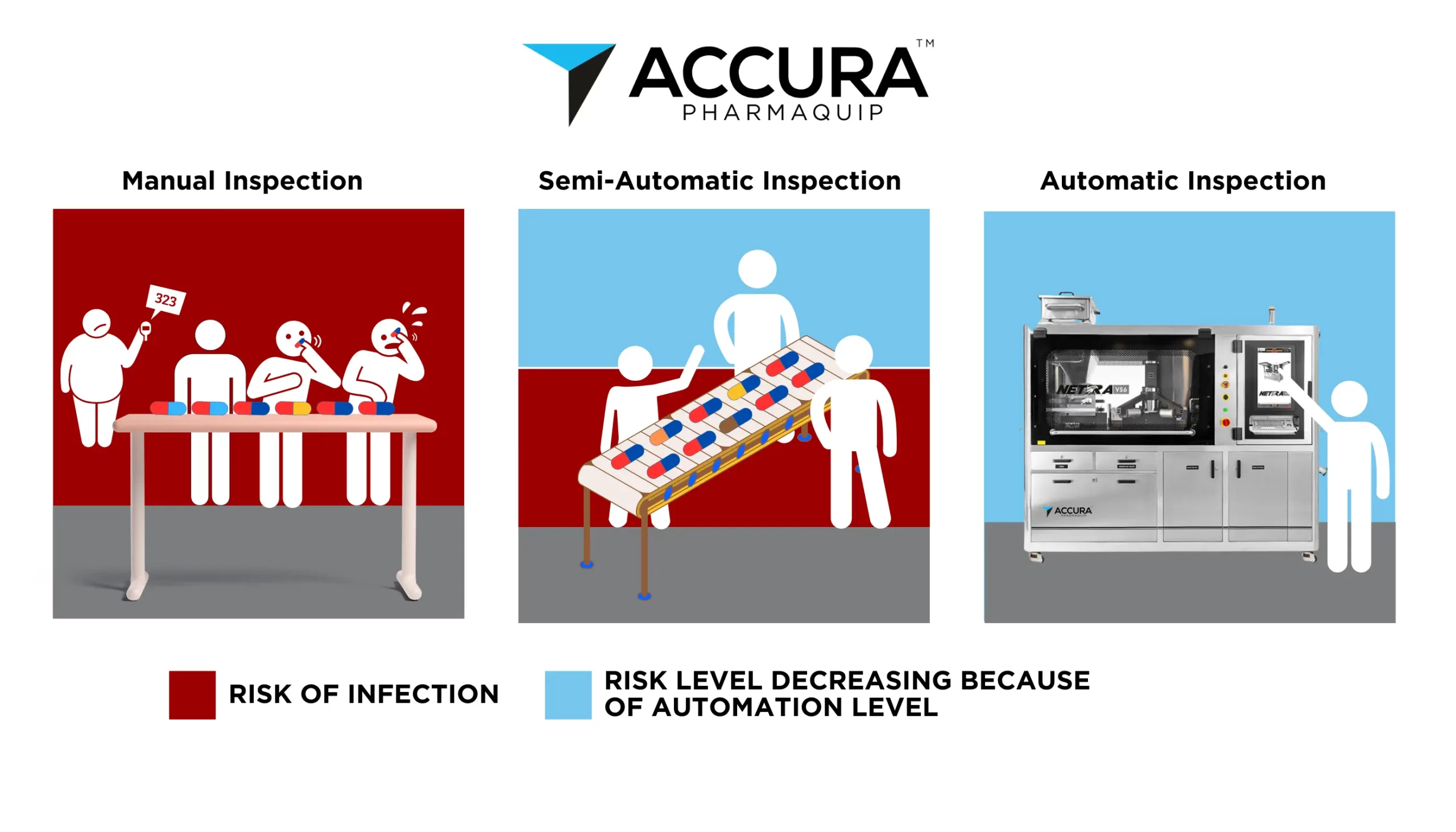
Amid the COVID-19 pandemic and other potential global health crises, the pharmaceutical industry ...
Read More
Accura Pharmaquip, a leading provider of tablet and capsule inspection technology, has been revol...
Read More
Why is 21 CFR Part 211 so crucial for the pharma industry? In the pharmaceutical industry, ensuri...
Read More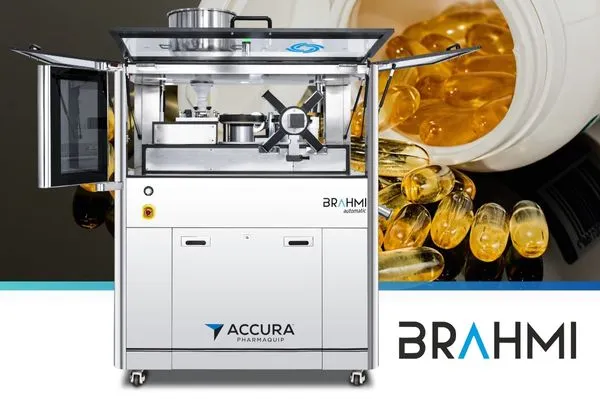
In today’s fast-paced pharmaceutical industry, quality control is of utmost importance. The...
Read More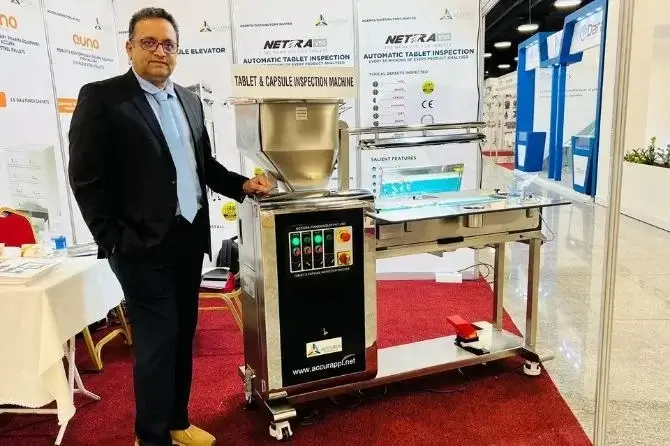
Thanks for visiting our booth and for showing your interest. We were excited to present at ARAB P...
Read More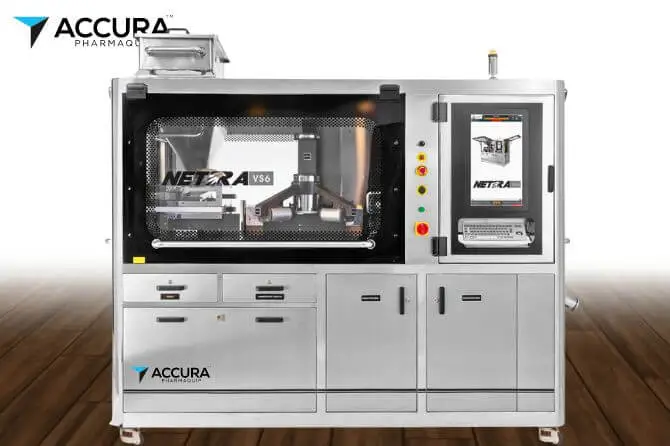
NETRA VS6 is the solution for automatic tablet and capsule inspection in the pharma industry. Our...
Read More
Accura Pharmaquip understands the critical importance of quality control in the pharmaceutical an...
Read More
 Apr 28, 2026