

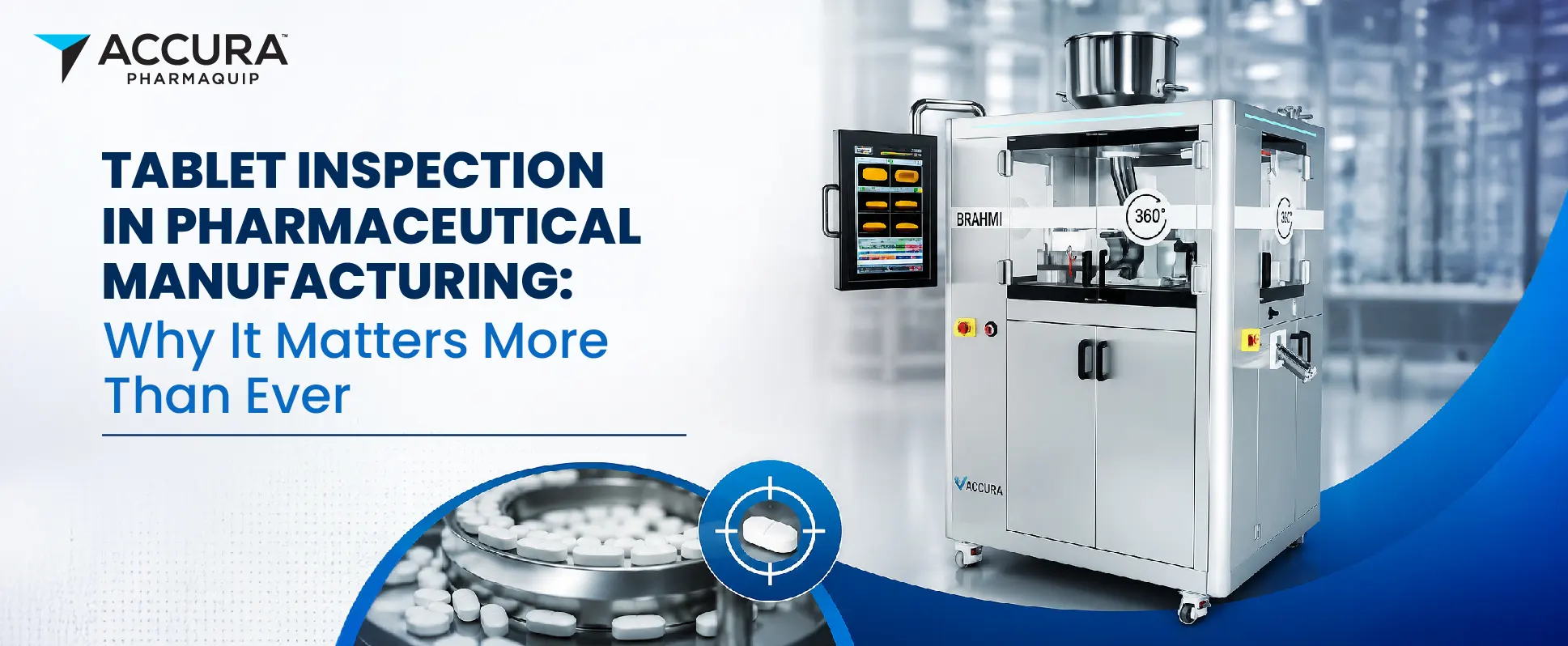
Today’s pharmaceutical manufacturing is far more sophisticated than in years past, due to a multitude of factors such as high-speed manufacturing processes, strict compliance regulations and global demand for product delivery. Maintaining consistent quality throughout the manufacturing process is particularly important in solid dosage products (tablets). A single defect could result in an entire batch being rejected by a regulatory body, or more importantly, could result in harm to consumers. The tablet inspection process has become an extremely important step in ensuring the quality of each manufactured tablet prior to entering the marketplace.
Due to the evolving nature of regulatory bodies and increased consumer awareness, there are greater demands placed on the pharmaceutical industry regarding quality, safety and consistency. Therefore, the importance of inspecting tablets has never been greater.
Tablet inspection refers to the examination of tablets for conformance to quality specifications in relation to their physical characteristics and the overall construction or composition of the tablet.
The area where tablet inspection takes place is at the end of the compression section, and before packaging. This phase serves as an ultimate checkpoint that identifies and removes defective tablets from continuing along the rest of the production route.
Identifies visible defects such as cracks, discoloration, or contamination.
Measures critical attributes like weight, thickness, and hardness to ensure consistency.
Detects structural issues such as chips, lamination, or foreign particles.
The regulatory environment has strict guidelines called Good Manufacturing Practices (GMP), which help to protect patients from dangerous drugs. The process of inspecting tablets, and removing defective ones as soon as possible will help tablet manufacturers to follow GMP and avoid potential recalls, fines, or shutdowns if they fail to do so.
If there are defective tablets produced and taken by a patient, it could cause incorrect dosages, unsafe dosages, and potentially cause harm to a patient. Also, having a large number of poor-quality products could be detrimental to the overall image of a company’s brand and decrease trust in their customers’ eyes. Companies would want to have a good image in order to increase sales and customer base.
Most modern manufacturing facilities produce tens of thousands of tablets each hour. As such, manual inspections are often unable to provide enough time to look over all tablets. With that being said, automated inspection systems will allow the ability to produce millions of tablets per day while still providing consistent quality.
The number of pharmaceutical companies competing globally is increasing daily. There are many countries with varying levels of regulations and requirements for quality of pharmaceutical products. However, one thing remains constant: the need for consistent product quality throughout the world. Tablet inspection is critical in maintaining quality throughout various countries.
Cause: Improper compression force or air entrapment
Risk: Tablets split into layers, affecting dosage and stability
Cause: Mechanical stress during handling or improper formulation
Risk: Compromised integrity and reduced patient confidence
Cause: Inconsistent powder flow or feeder issues
Risk: Incorrect dosage, leading to inefficacy or overdose
Cause: Poor mixing or uneven coating
Risk: Indicates formulation inconsistency and affects brand perception
Cause: Environmental exposure or equipment contamination
Risk: Serious health hazards and regulatory non-compliance
The cost to implement automation for tablet inspection will be greater than traditional manual inspections; however, through reduced waste, increased compliance and improved efficiency through enhanced production output, long-term benefits are achieved.
Automation technology has changed tablet inspections from a simple quality test into an intelligent inspection process that provides data-driven analysis on the tablets being inspected.
Machine vision technologies use high-resolution cameras to take pictures of each tablet, inspecting for small defects.
Advanced AI-powered defect detection uses artificial intelligence to recognize defects by learning data patterns as they occur.
Data collected during real-Time monitoring allows for trend identification and prevention of repeat failures.
Smart Manufacturing (Industry 4.0) integration enables MES integration with the inspection system to provide full control, traceability and optimization.
Accura Pharmaquip is an established brand name within the field of pharmaceutical machinery fabrication that produces quality products as well as precise and regulated products.
Precision Engineering: Designed to find small imperfections at a very accurate level.
Compliance with Global Standards: Equipment will meet GMP as well as internationally required compliance standards.
Customization Options: The product can be made to fit different product sizes, shapes, or scales.
Ease of Integration: Systems have been created so they can easily be added to the current production line.
Value Proposition: Accura Pharmaquip provides pharmaceutical manufacturers with higher levels of performance and reliability to support their desire to produce high-quality products efficiently while maintaining compliance with evolving regulations.
Regular Calibration and Maintenance: This will help the equipment perform consistently and accurately over time.
Operator Training: Operator training is essential in providing skilled operators who can operate the systems effectively, identify problems early on, and correct them.
Validation and Documentation: Proper validation documentation will provide evidence that an organization has complied with regulatory requirements.
Continuous Process Improvement: Continuous process improvement through analysis of inspection results will allow organizations to continually improve processes so that fewer defects occur, and when they do, it is at the beginning of the process.
The time when checking tablets was simply a quality check has long passed – today, tablet inspection has become one of the most important components of pharmaceutical manufacturing. In addition to the increased regulatory focus on all aspects of the drug development process (from clinical trials through commercialization), with growing demand for products, as well as an increasingly competitive market globally, there has never been a better time than now to invest in new technology that provides improved accuracy and efficiency in the inspection process.
Advanced inspection technologies are poised to take their place as major players in the push towards automation and “smart” manufacturing. They will be used by manufacturers to ensure the highest levels of product quality, product safety and regulatory compliance.
Accura Pharmaquip is positioned to lead this revolution forward – we provide proven and forward-thinking solutions.
Call us at Accura Pharmaquip for high-accuracy, high-performance tablet inspection solutions designed to meet your specific requirements.
Technology enables faster, more accurate detection of defects through machine vision, AI, and real-time monitoring, reducing reliance on manual processes.
It ensures that only quality-compliant tablets proceed to packaging, helping manufacturers meet GMP standards and avoid penalties or recalls.
Yes, modern tablet inspection systems can be tailored for different tablet sizes, shapes, and production requirements.
Accura Pharmaquip offers precision-engineered, compliant, and customizable inspection solutions that enhance efficiency, accuracy, and overall product quality.
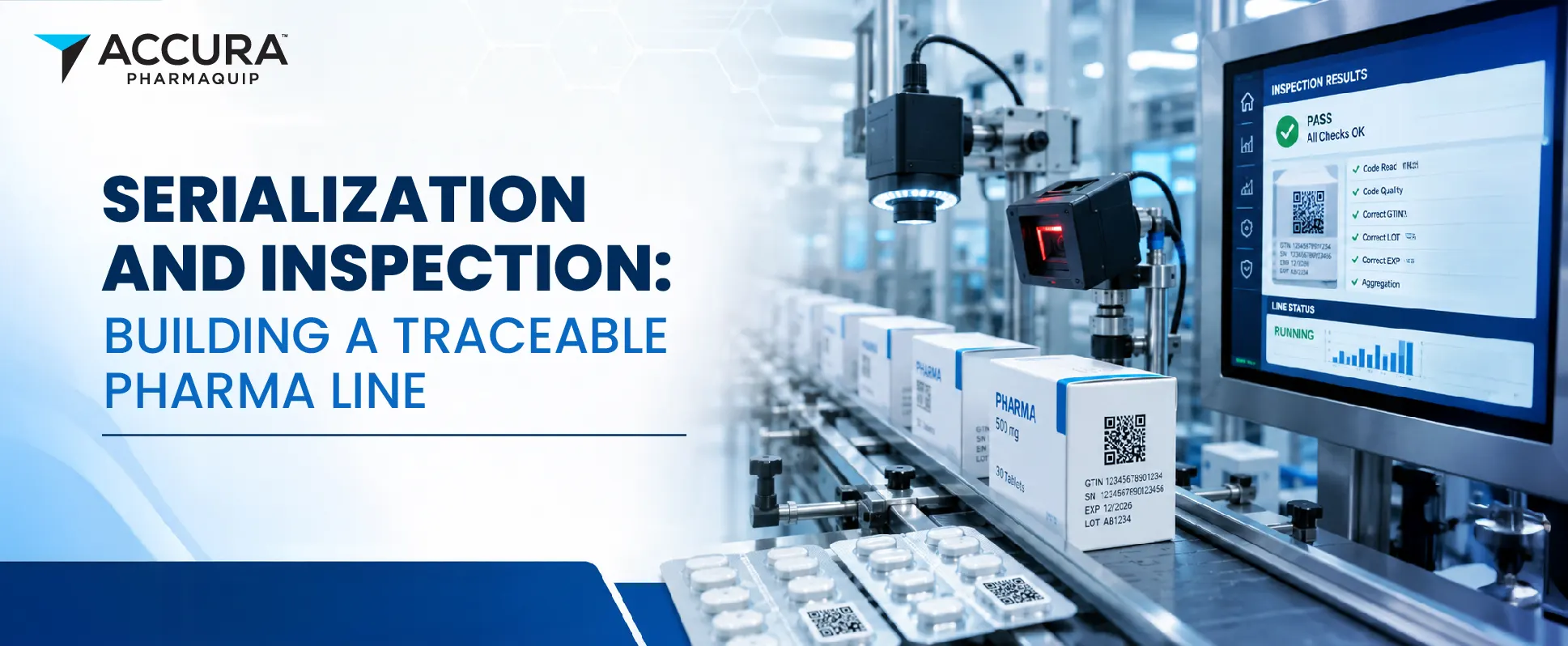
How Accura Pharmaquip’s advanced inspection techno...
Read More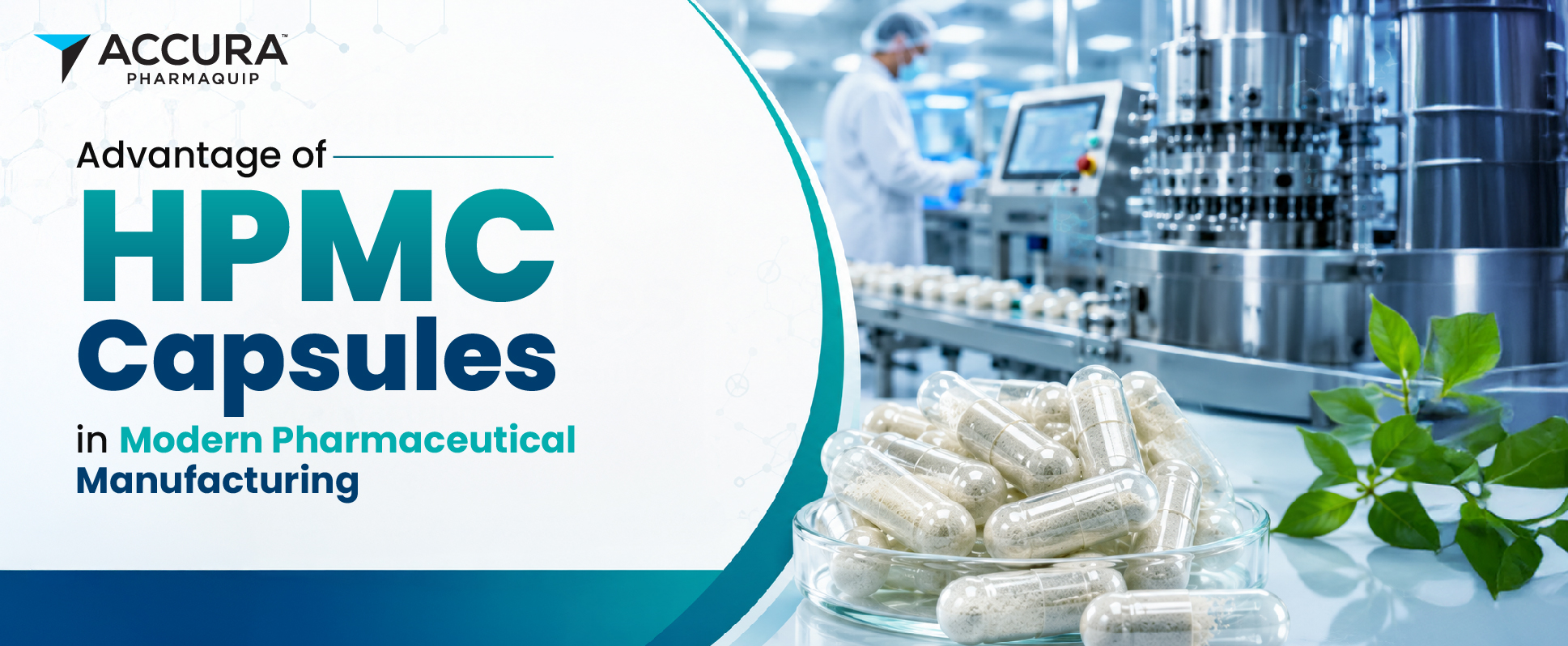
Pharmaceutical companies are now choosing to selec...
Read More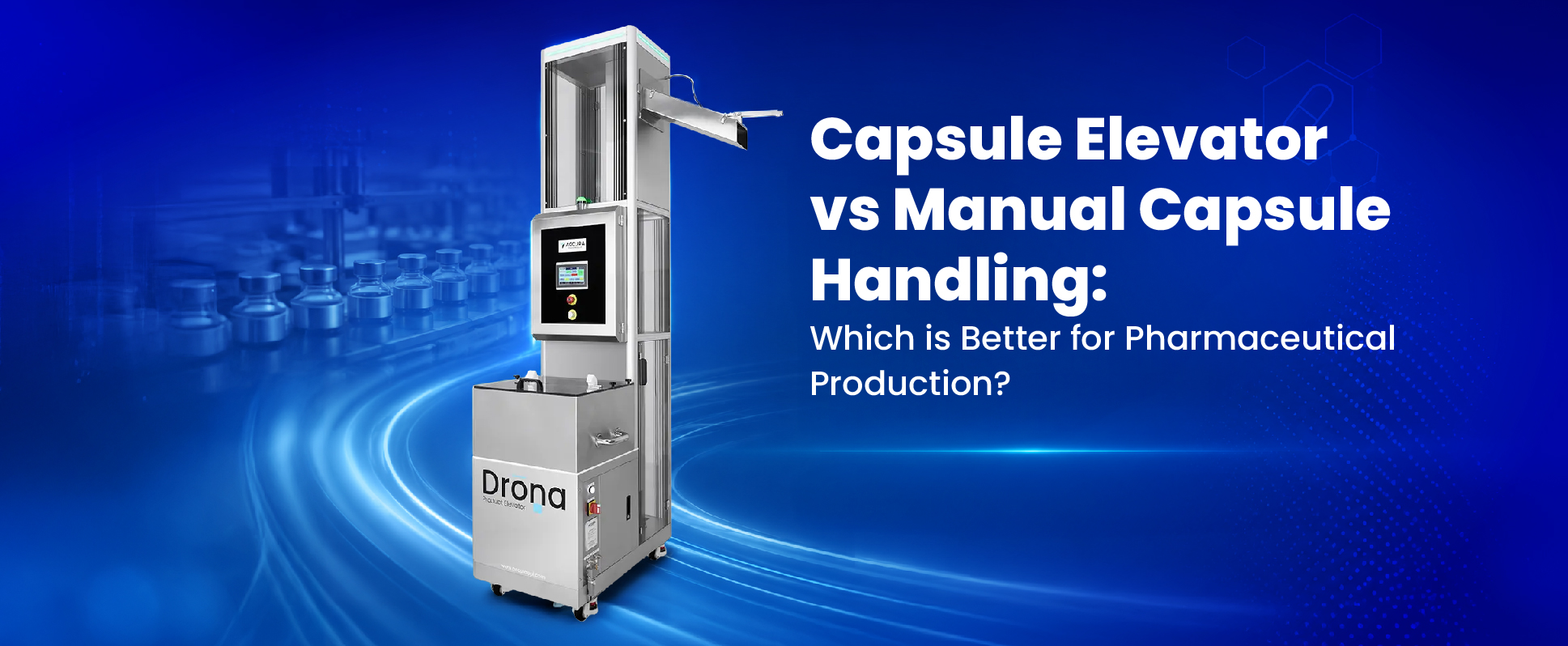
In addition to improving efficiency, reducing cost...
Read More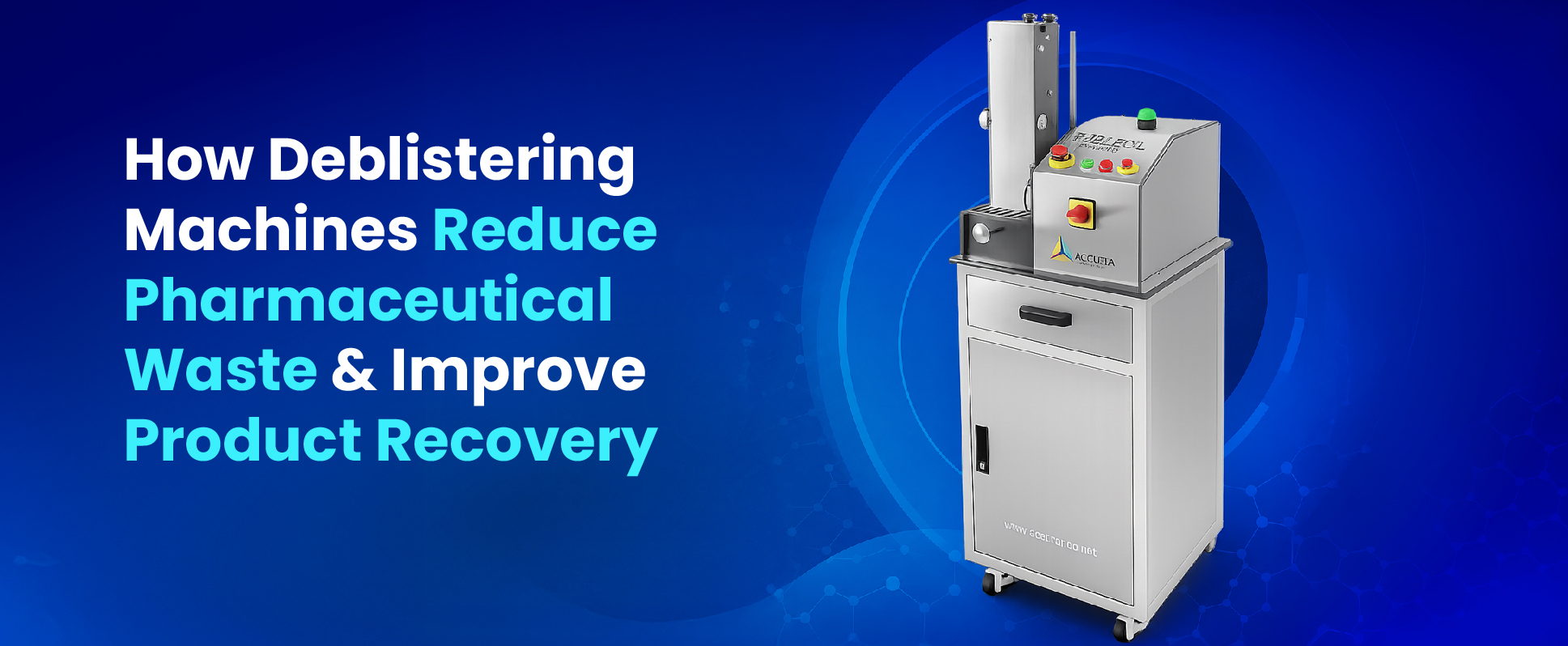
Modern Pharmaceutical manufacturing needs to be pr...
Read More

How Accura Pharmaquip’s advanced inspection technologies can help you implement serializat...
Read More
Pharmaceutical companies are now choosing to select capsules as an alternative to simply p...
Read More
In addition to improving efficiency, reducing costs, and improving productivity, efficient...
Read More
Modern Pharmaceutical manufacturing needs to be precise, compliant and economical. Minor b...
Read More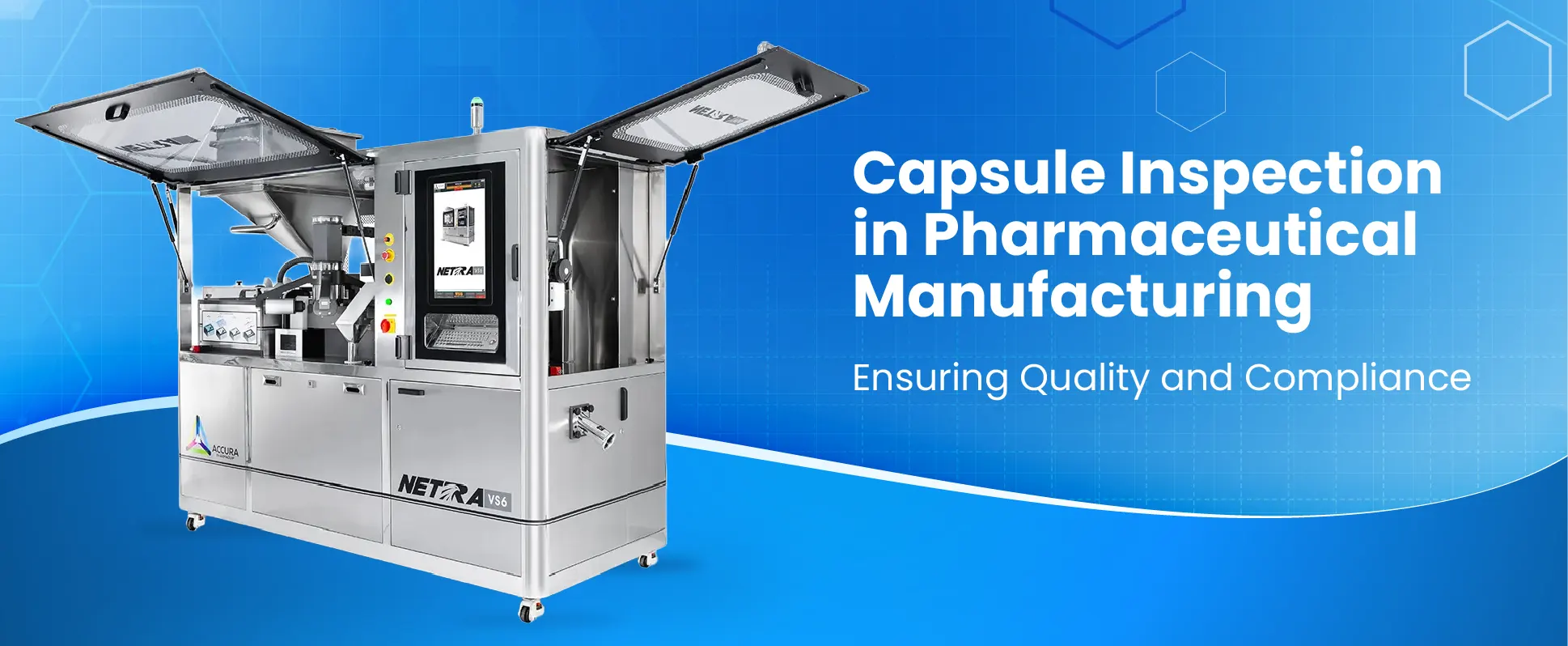
Capsules have been an extremely common dosage form for many years in the pharmaceutical ma...
Read More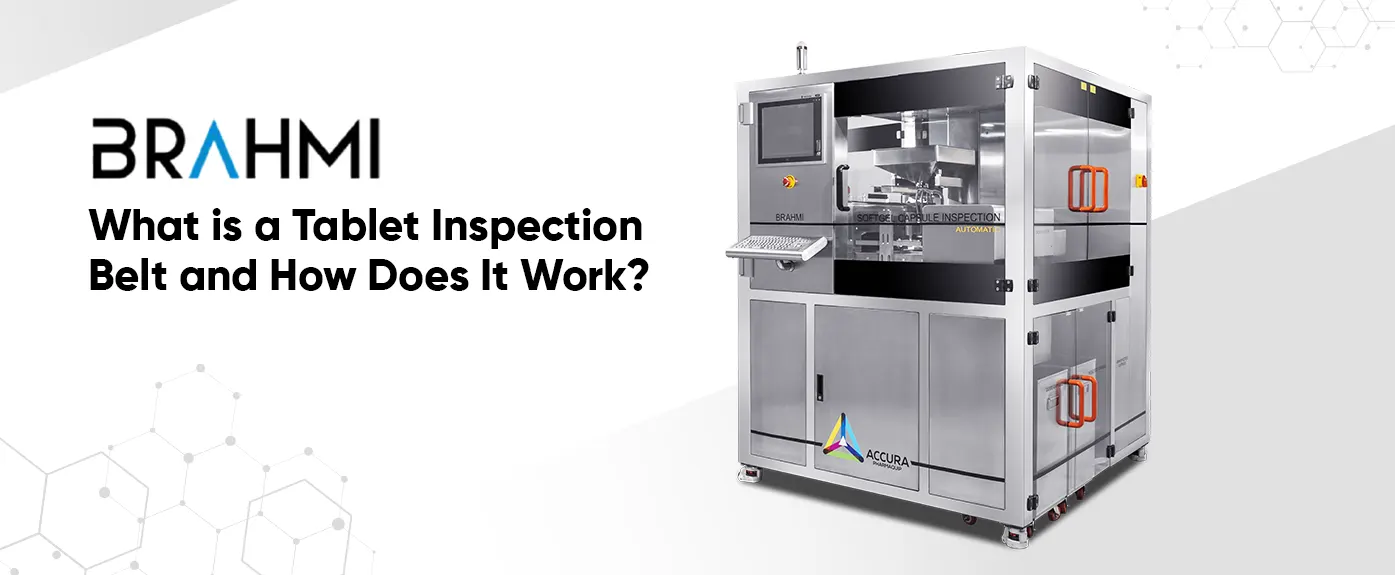
In drug manufacturing, the focus on quality control is paramount. The presence of one defe...
Read More
Packing line conveyor are an excellent solution for eliminating inefficiencies created in ...
Read More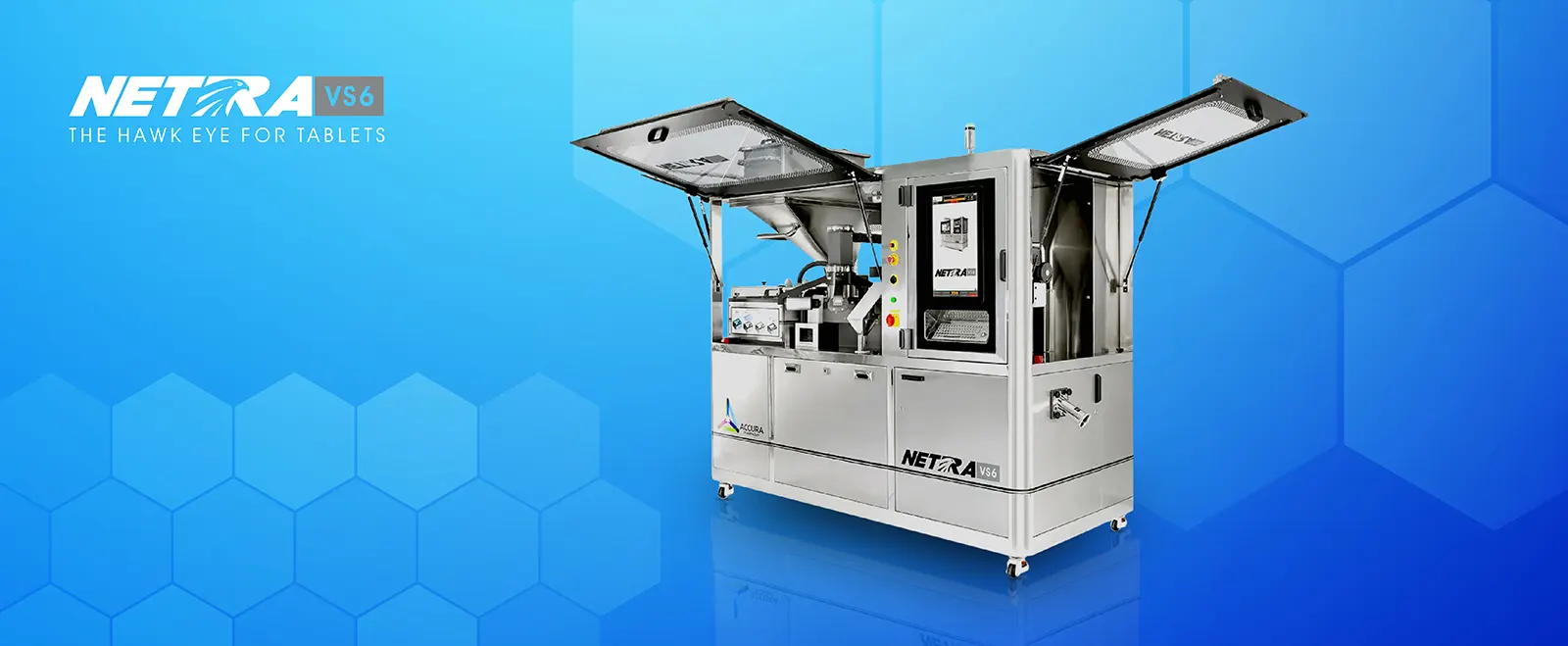
Automatic Inspection Systems are an integral part of today’s Pharmaceutical Manufact...
Read More
Regulatory compliance is mandatory in Solid Dosage Manufacturing as a means of protecting ...
Read More
Liquid drug products require very high levels of quality and precision. Microscopic contamination...
Read More
Ensuring that all of the drug ampules produced for injection are complete and meet the required q...
Read More
Automated inspection of injectable vials, vaccine vials, biologic vials and many other high value...
Read More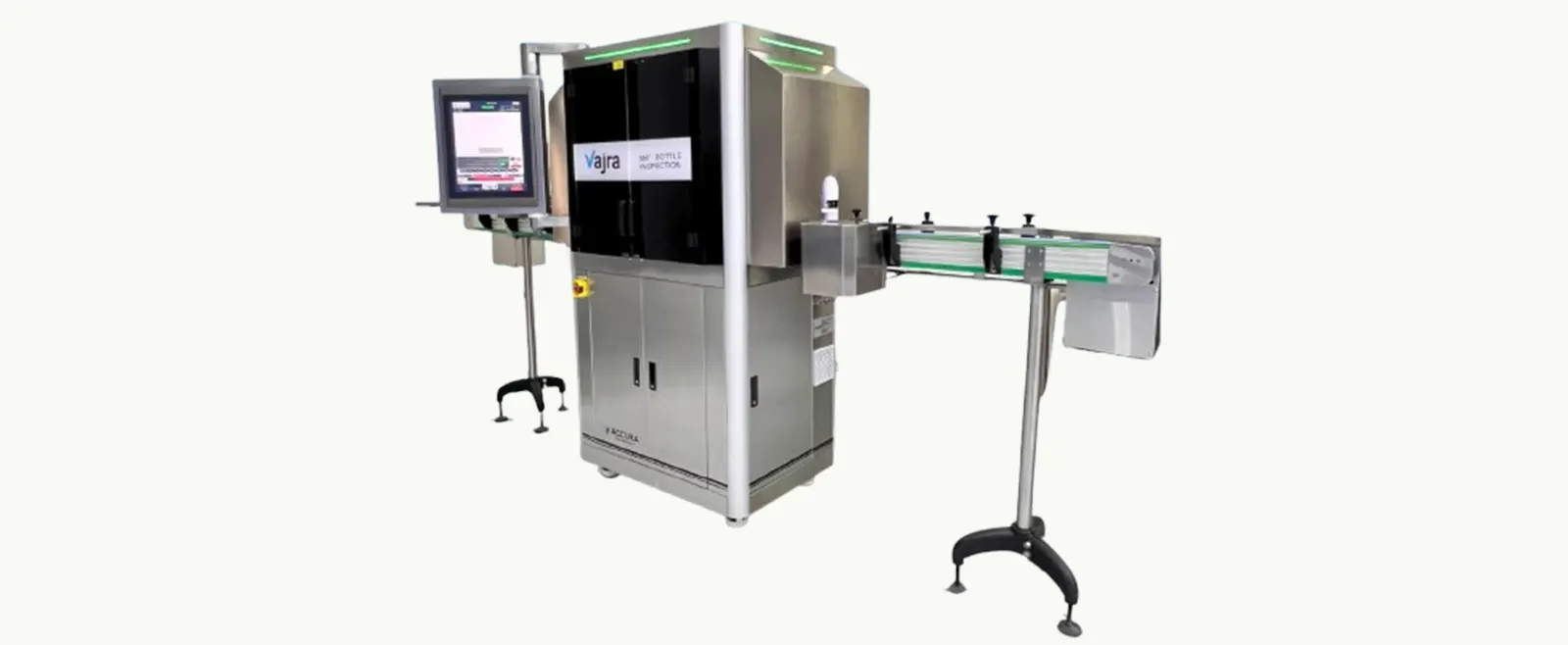
In the glass packaging industry, maintaining high-quality standards is essential. Whether used fo...
Read More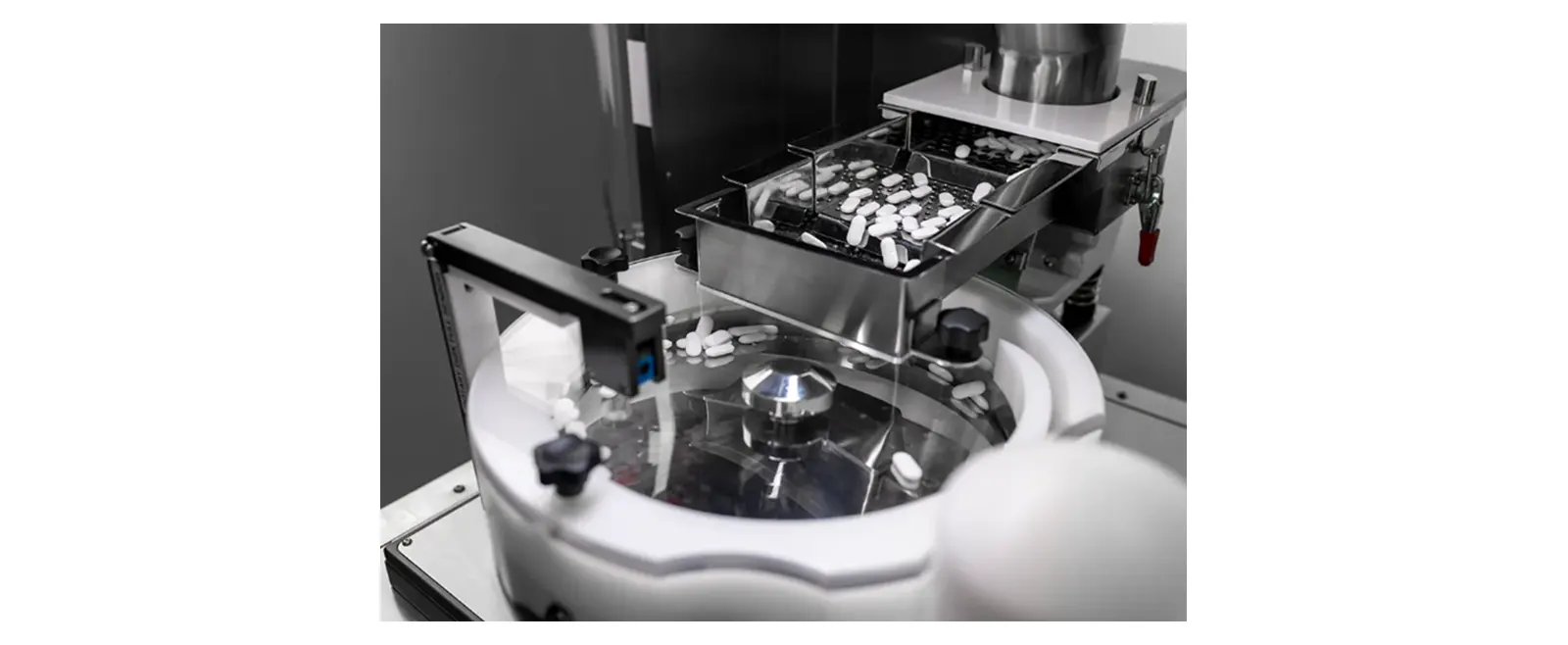
The pharmaceutical industry requires tablets produced at its highest possible quality to protect ...
Read More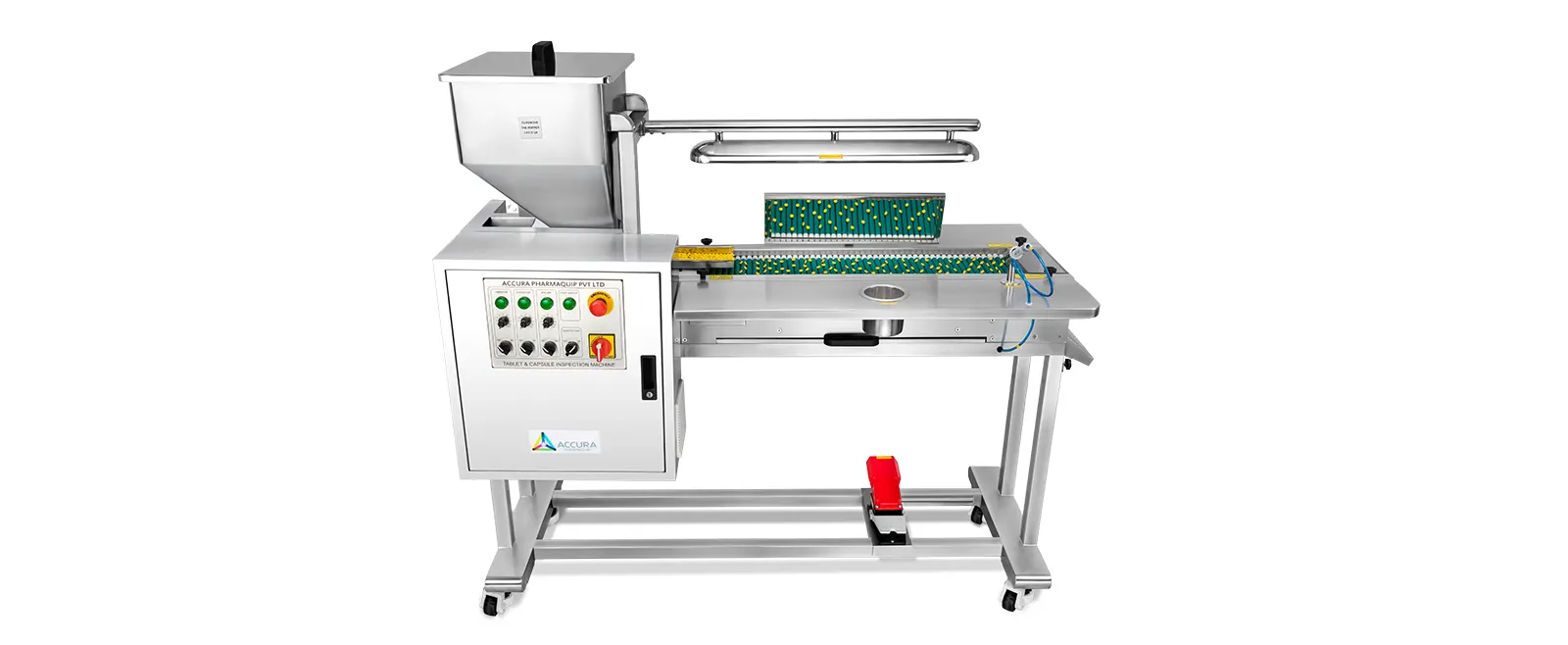
Quality assurance in the pharmaceutical industry is not simply a legal requirement; it is a moral...
Read More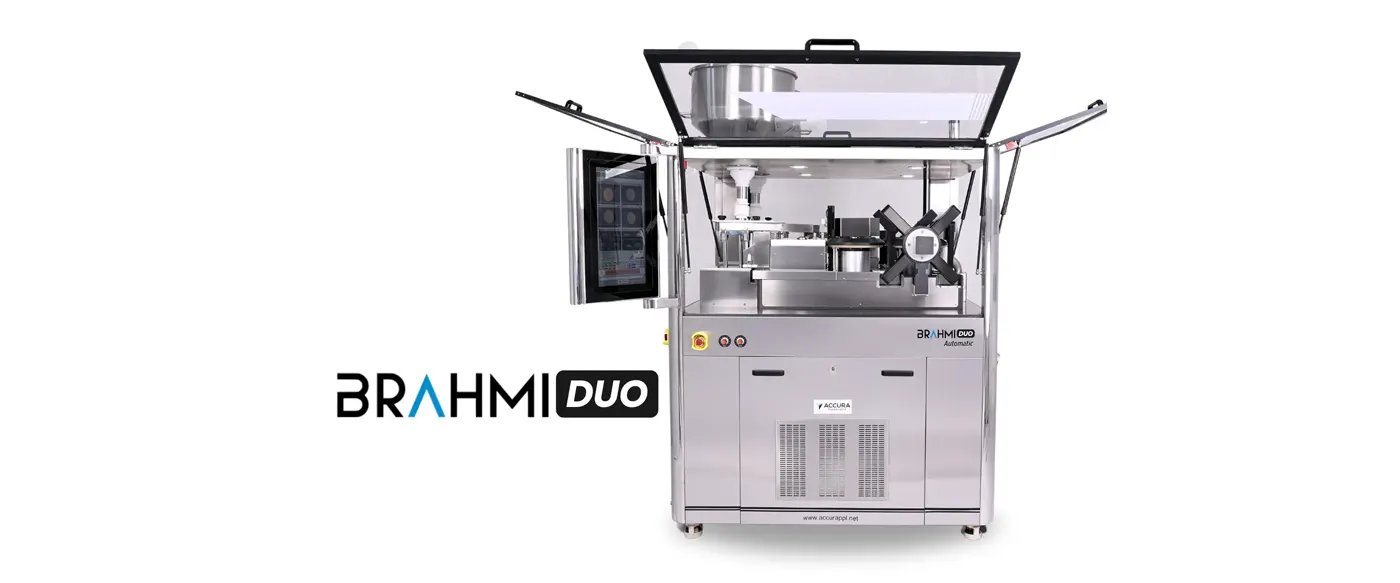
Precision, efficiency and adherence to regulatory requirements are essential in the manufacture o...
Read More
Strip packing is the most preferred and high-volume method of packaging solid oral dose forms, in...
Read More
Pharmaceutical and nutraceutical manufacturers need to accurately count tablets and capsules to g...
Read More
Blister packaging plays a significant function in product safety, correct dosing, and consumer co...
Read More
Within pharma production, accuracy and productivity are not an option. Among the most critical bu...
Read More
Nutraceutical and pharmaceutical production quality assurance is a no-compromise necessity. Ensur...
Read More
Deblistering machines play a vital role in pharmaceutical production by ensuring that tablet and ...
Read More
With the speed of the world accelerating further, efficiency and hygiene are increasingly importa...
Read More
In the pharmaceutical industry, packaging is not just about presentation, it is a critical part o...
Read More
Have you ever wonder why automated inspection is no longer optional and how Automatic Tablet and ...
Read More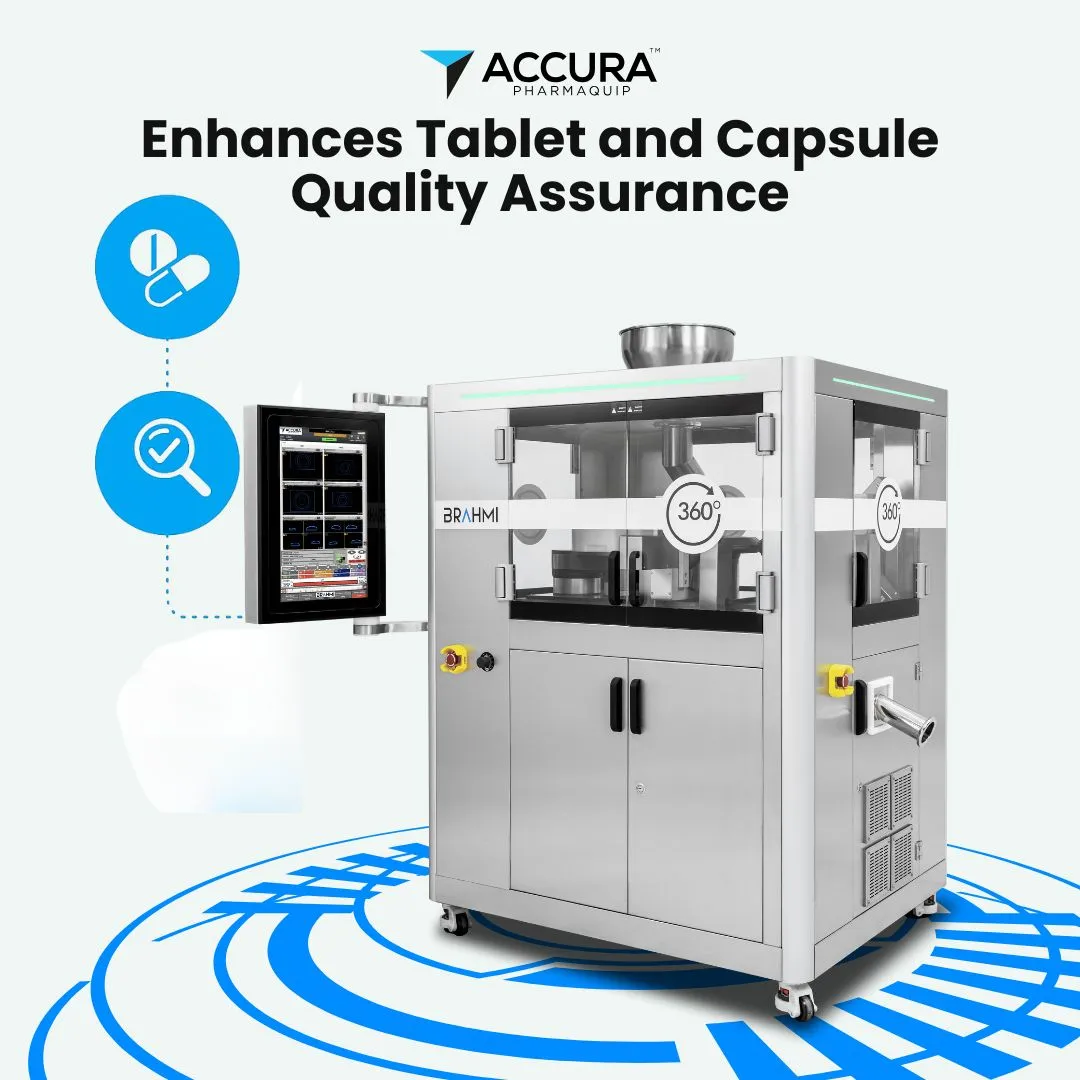
Quality control in pharmaceuticals isn’t just a step — it’s the heart of safe medication. Every p...
Read More
Enhancing Pharmaceutical Quality Control with Brahmi: The Best Tablet and Capsule Sorter. Common ...
Read More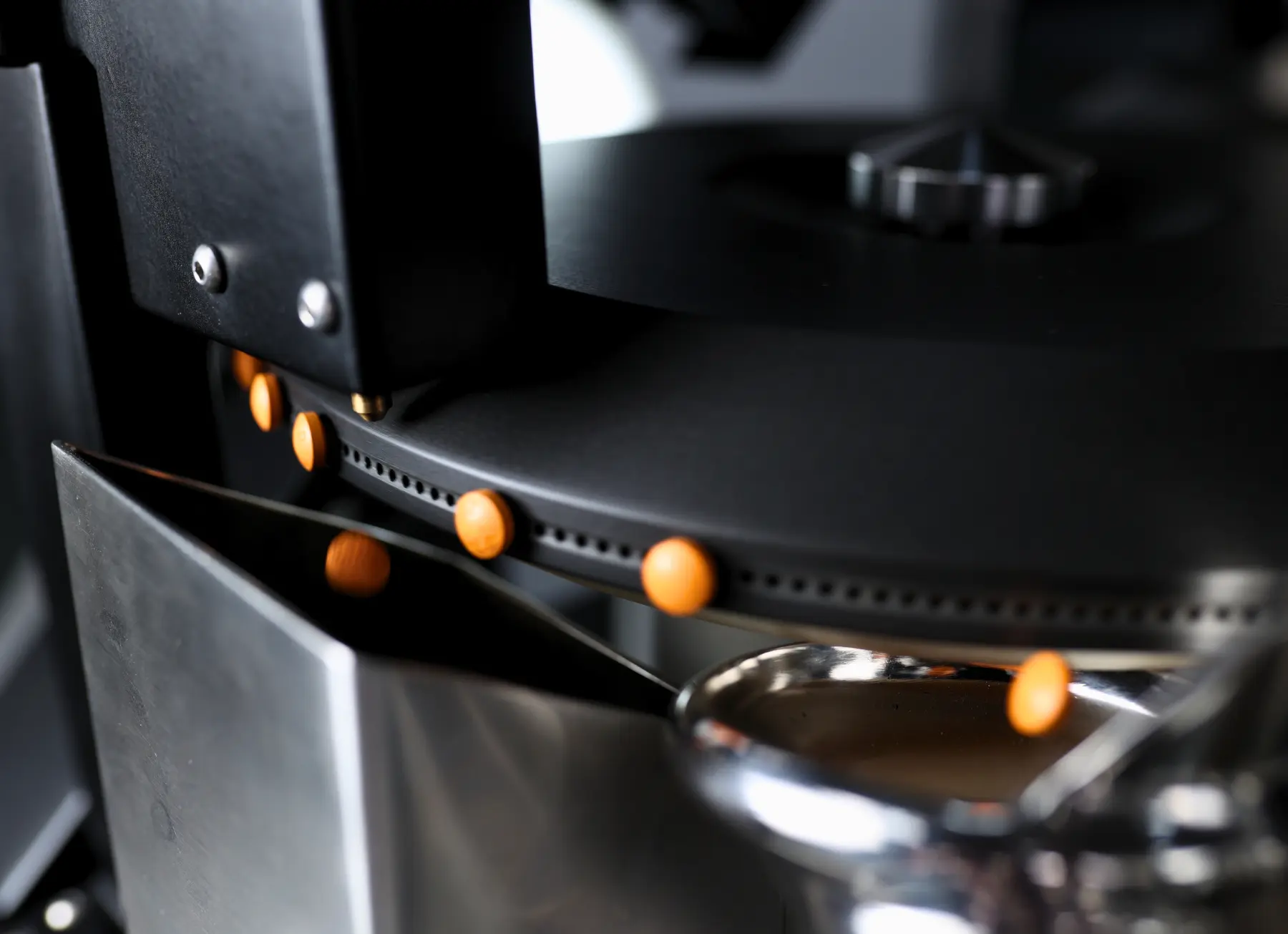
In pharmaceutical manufacturing, quality control is essential. The safety of medicines depends on...
Read More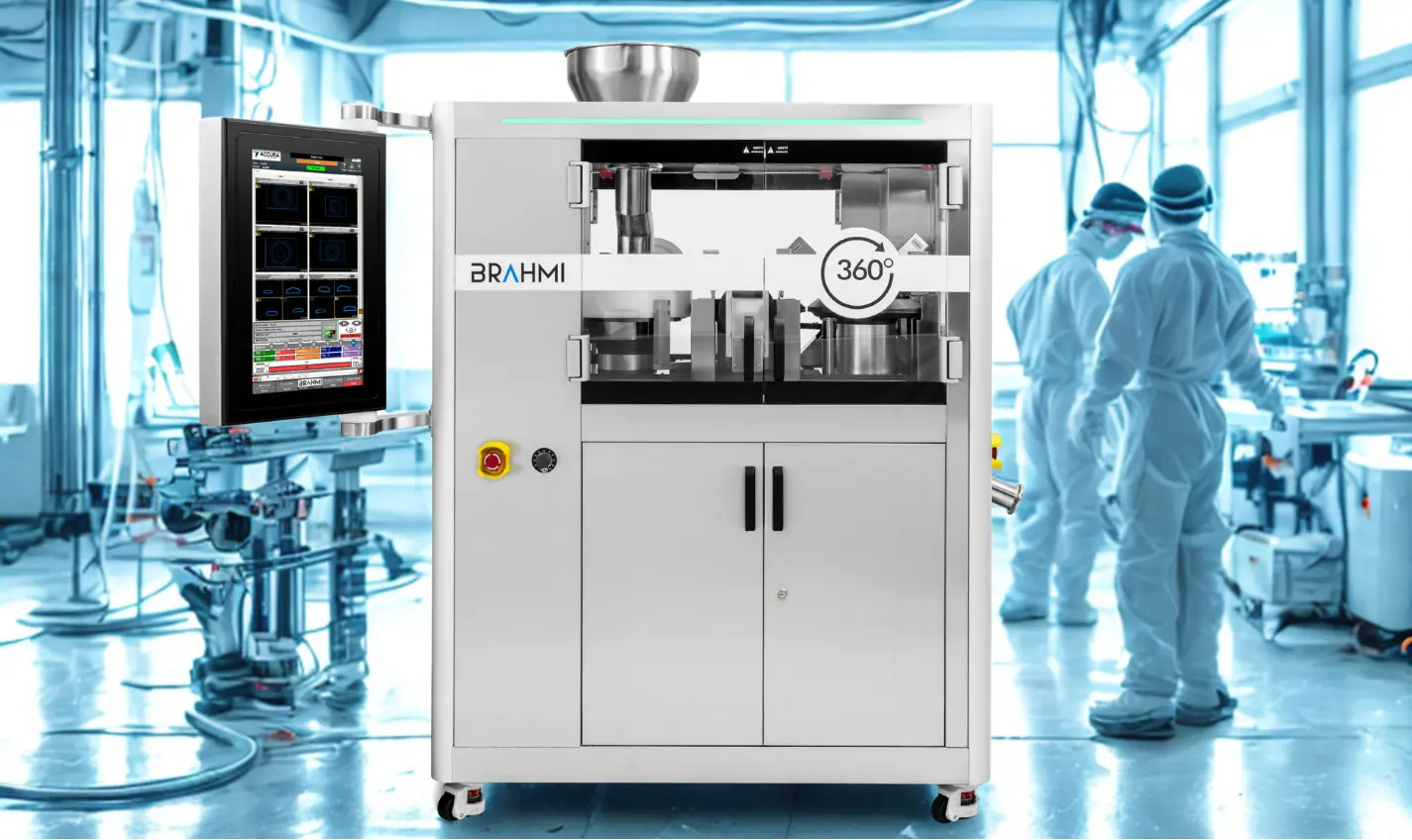
Suppose a scenario. A shipment of pills departs a pharma plant. They don’t know it, but som...
Read More
Accura Pharmaquip continues to lead the charge in pharmaceutical quality inspection technology wi...
Read More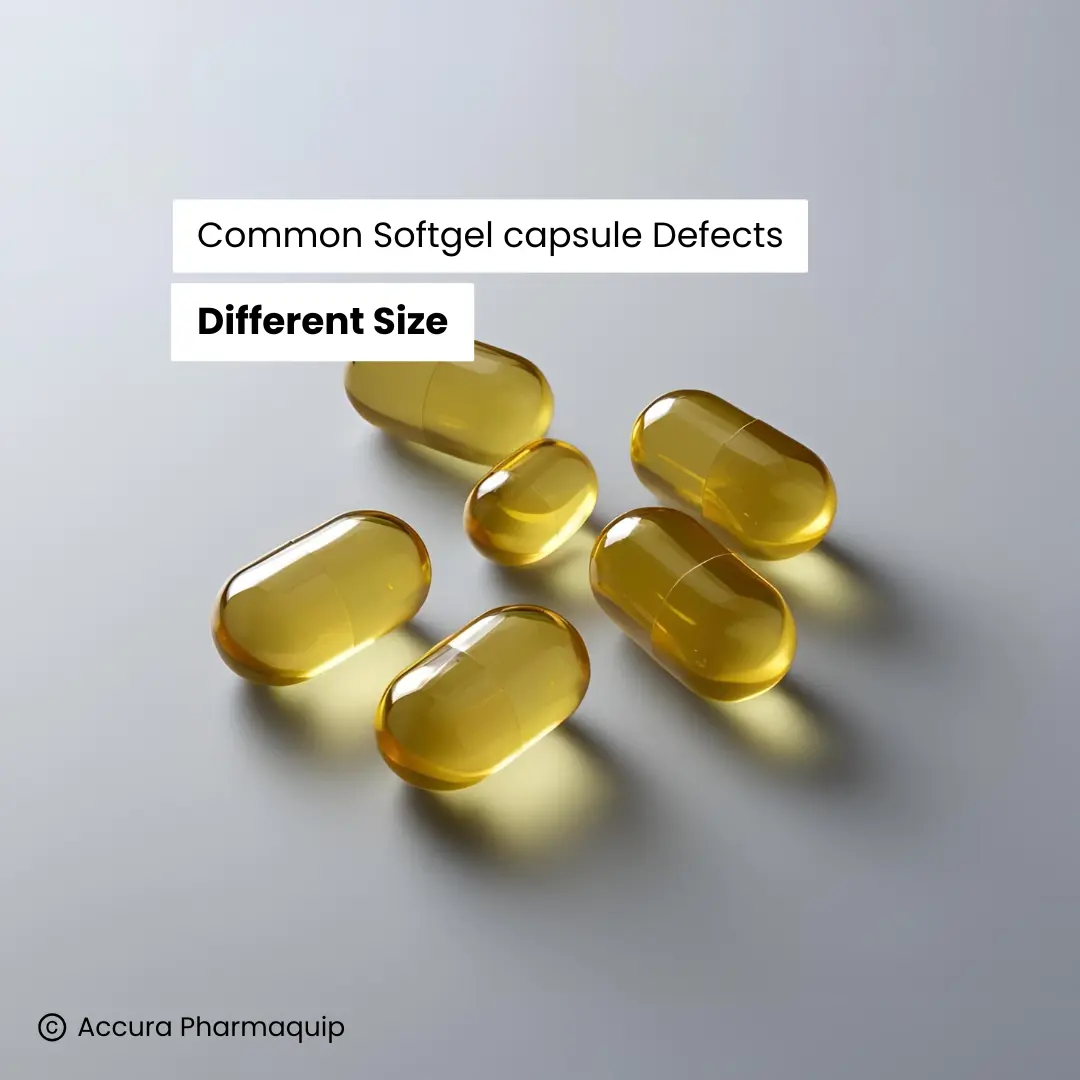
The Revolutionary Brahmi DUO (Automatic Tablet and Capsule Inspection Machine) working principle:...
Read More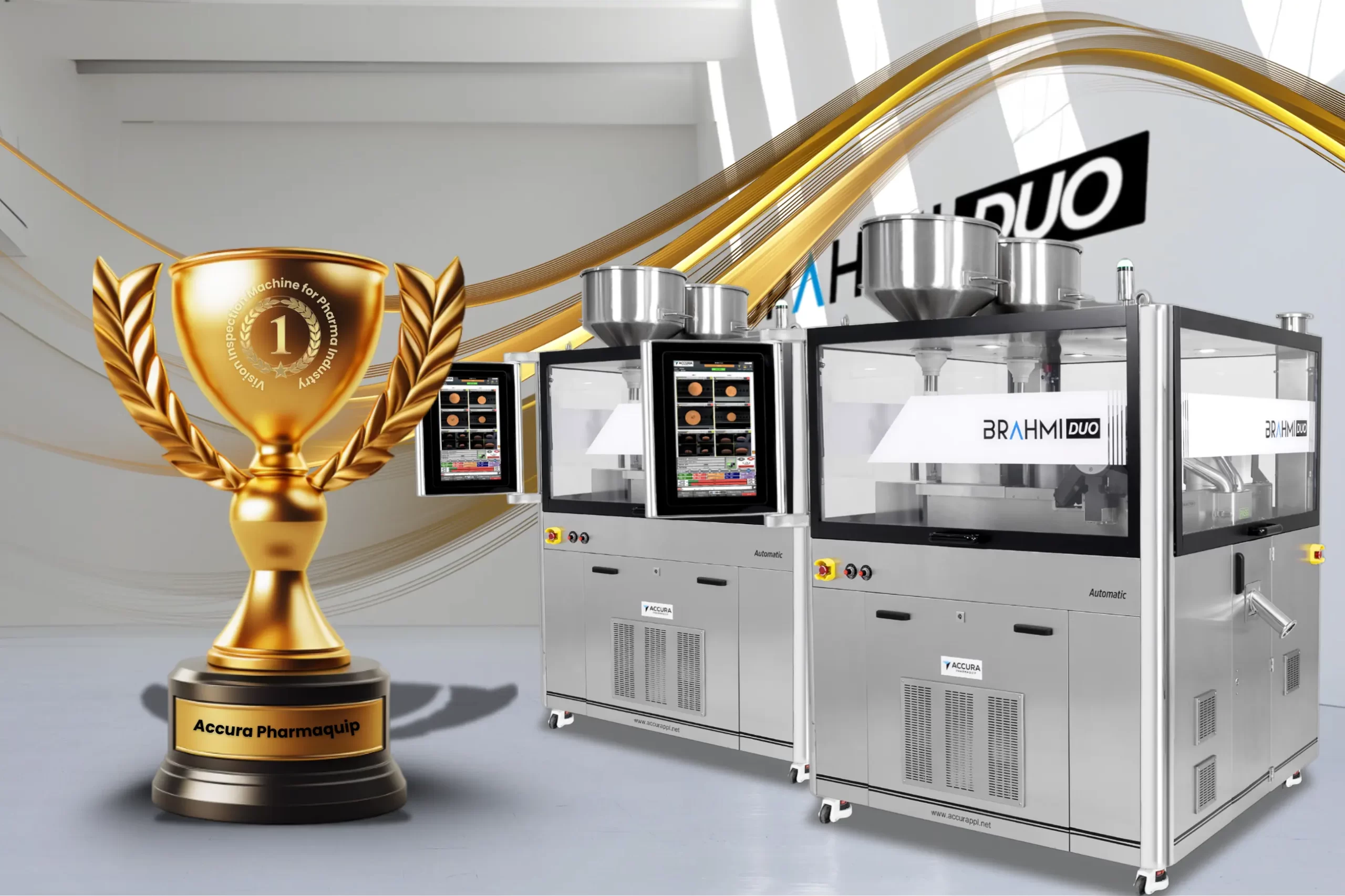
Brahmi DUO (Automatic tablet and capsule inspection machine): Revolutionizing Pharmaceutical Qual...
Read More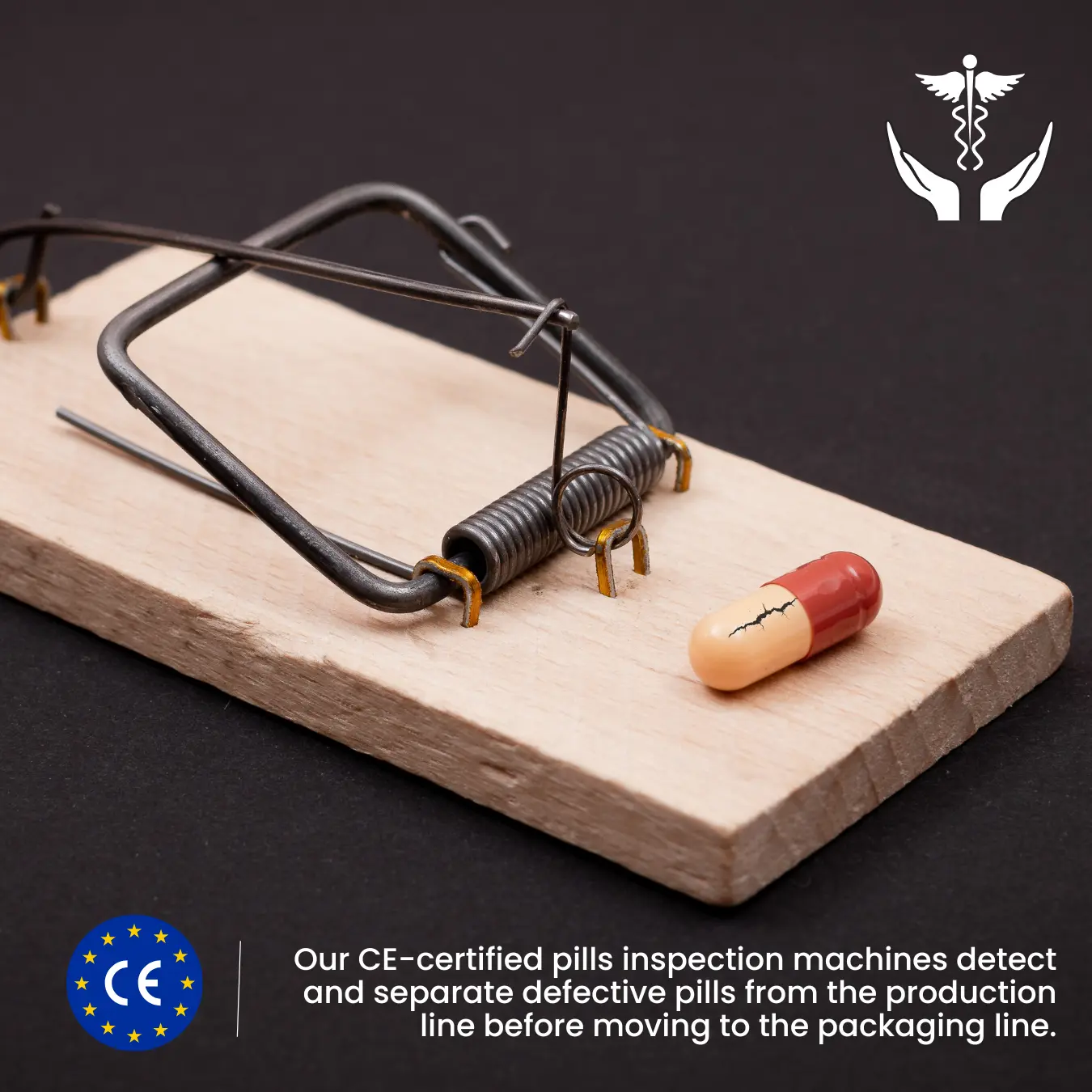
Protect Your Brand: By Detecting Defective Capsules in Production: In the ever-evolving pharmaceu...
Read More
Drona: The Innovative Product Elevator Transforming the Pharmaceutical Industry. In an era where ...
Read More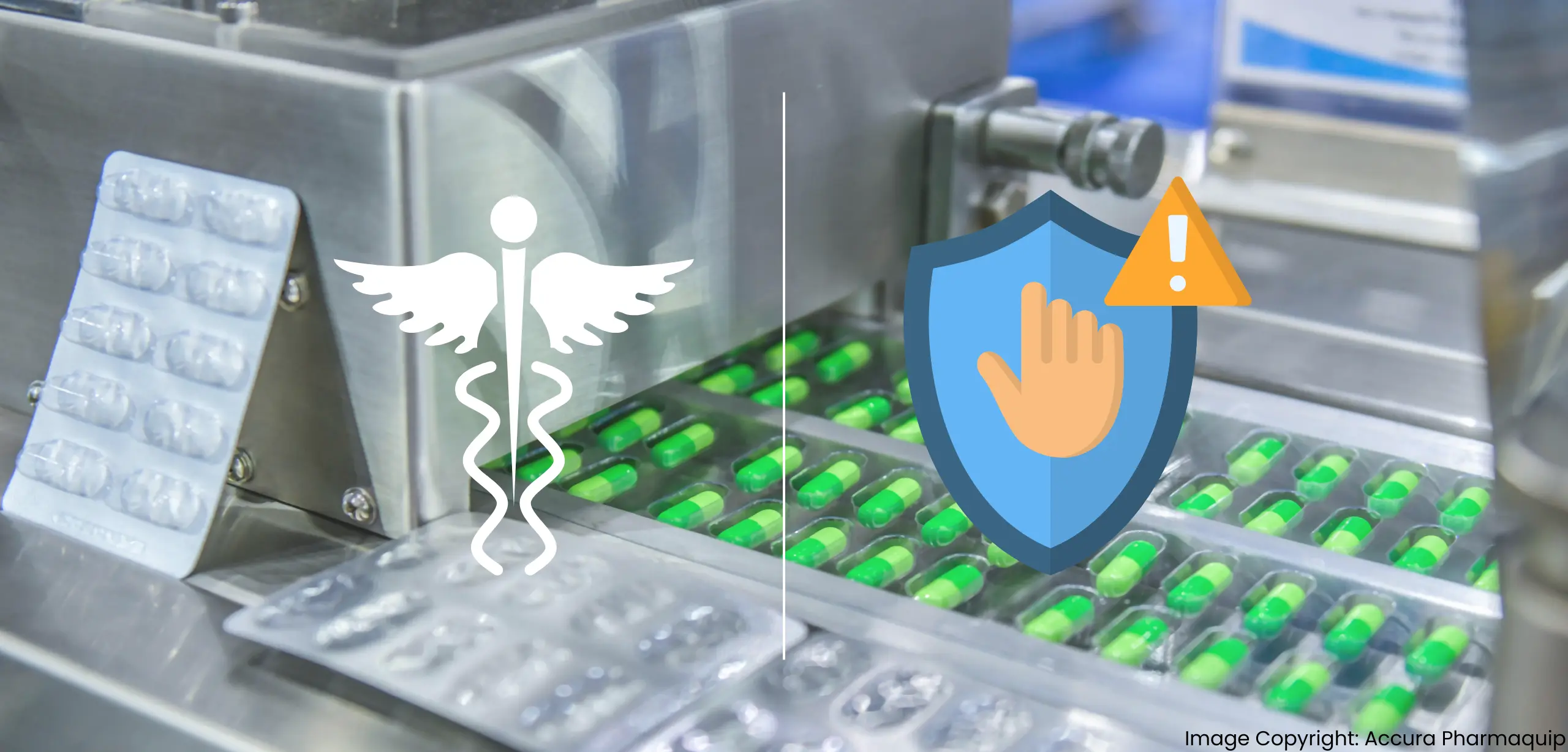
Pharmaceutical companies have a crucial responsibility to ensure that their products are of the h...
Read More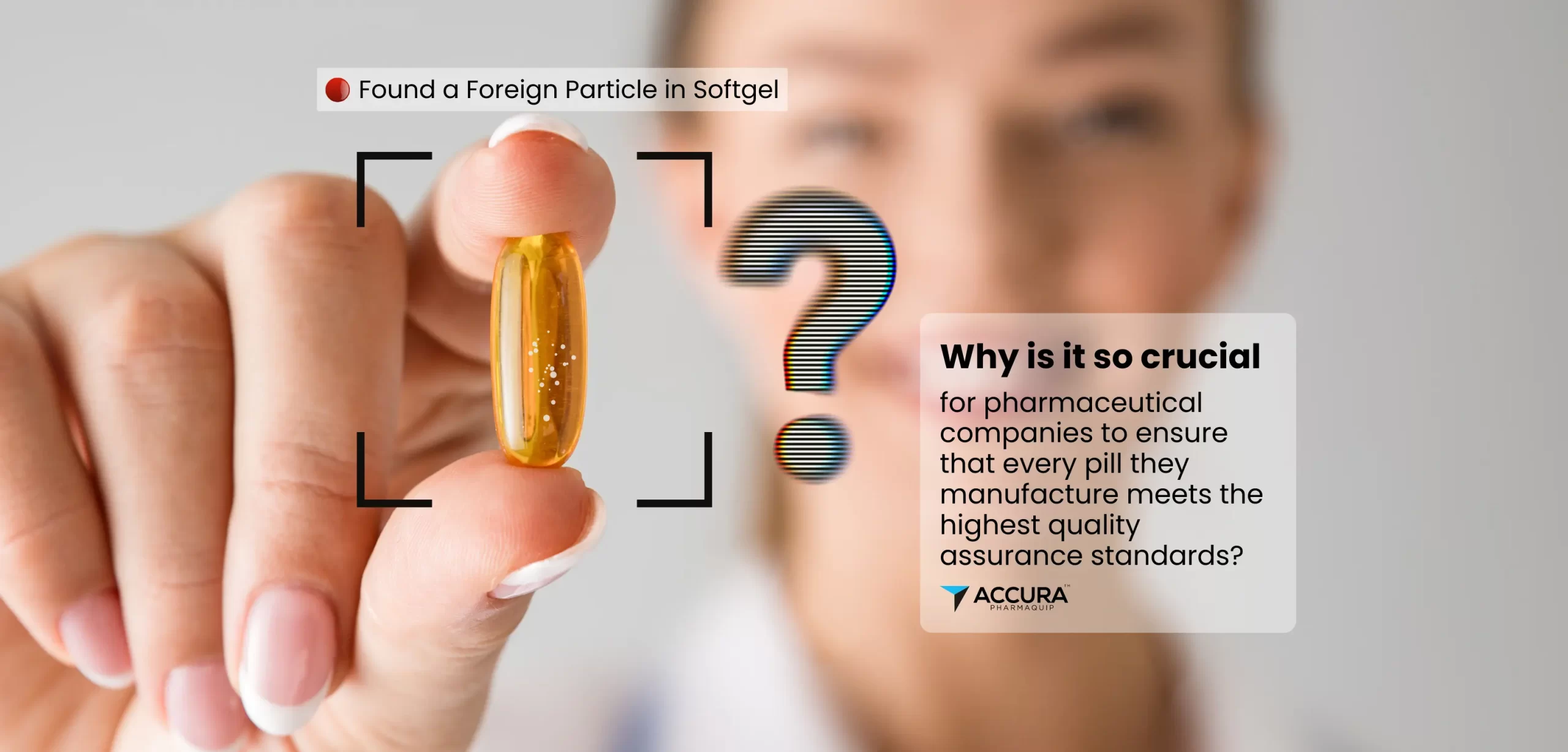
Why is quality assurance critical in pharmaceutical production? Why is it so crucial for pharmace...
Read More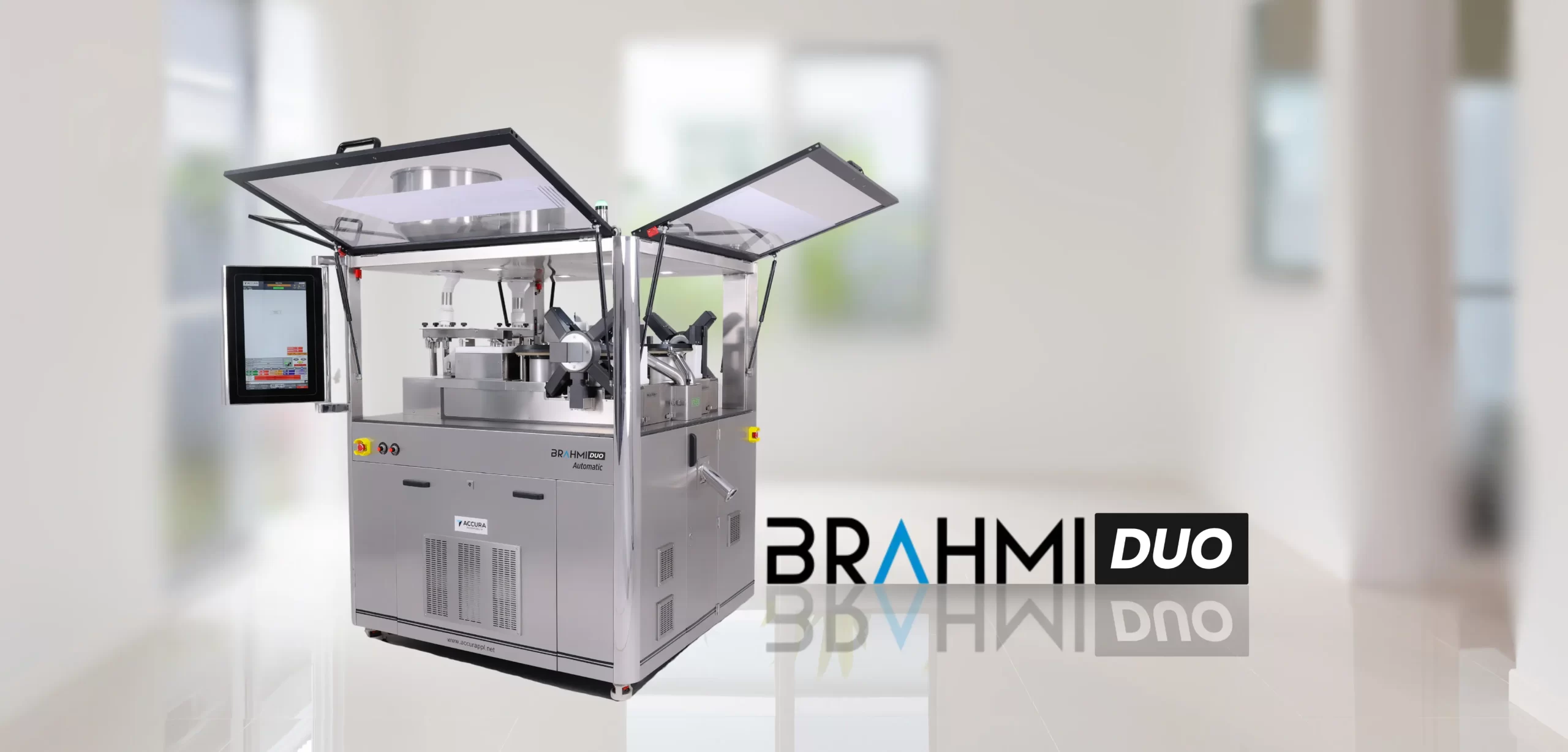
In the fast-paced world of pharmaceutical manufacturing, quality control is paramount. Every tabl...
Read More
In the pharmaceutical industry, the inspection of pills is a crucial step in ensuring the quality...
Read More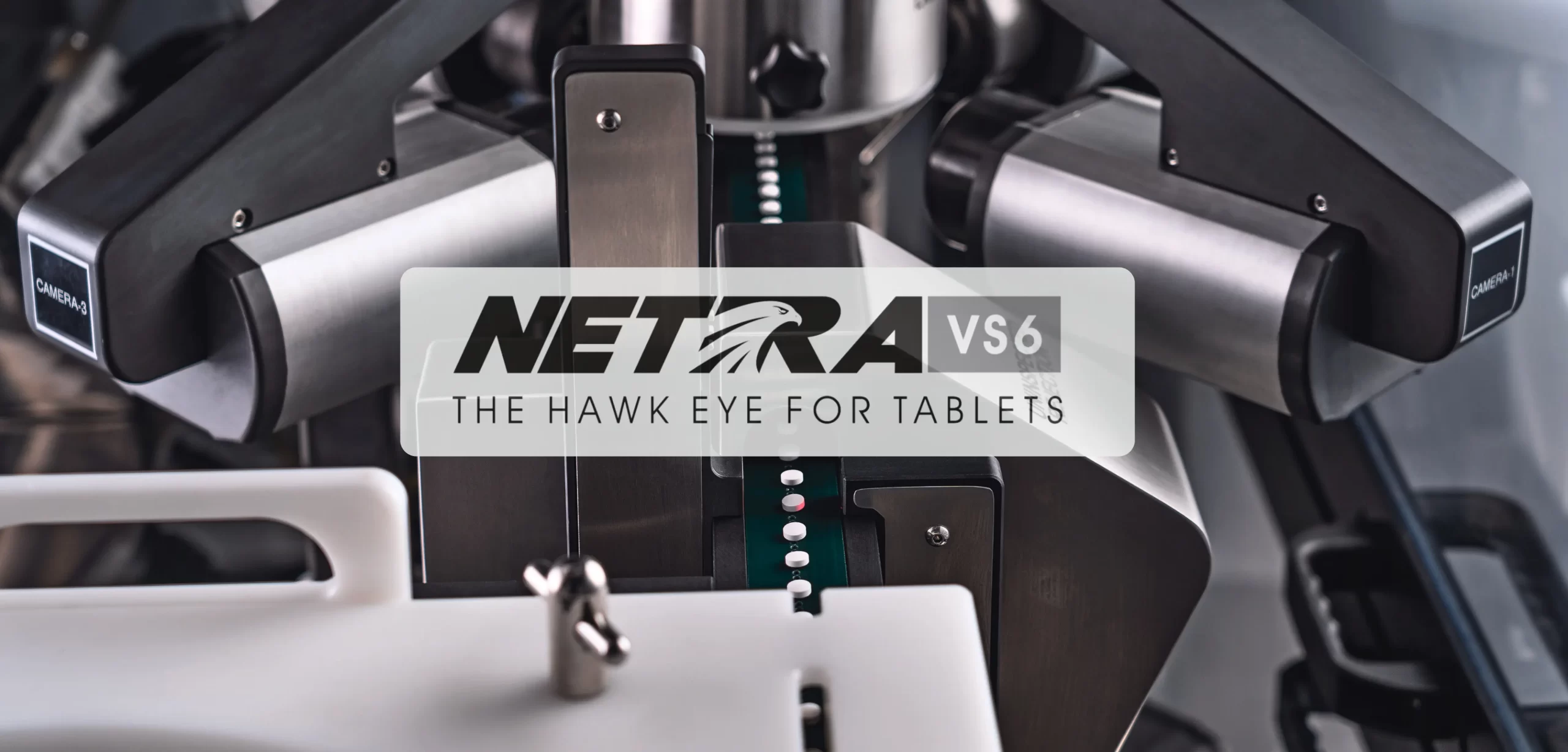
Accura Pharmaquip is a leading provider of advanced vision inspection systems for the pharmaceuti...
Read More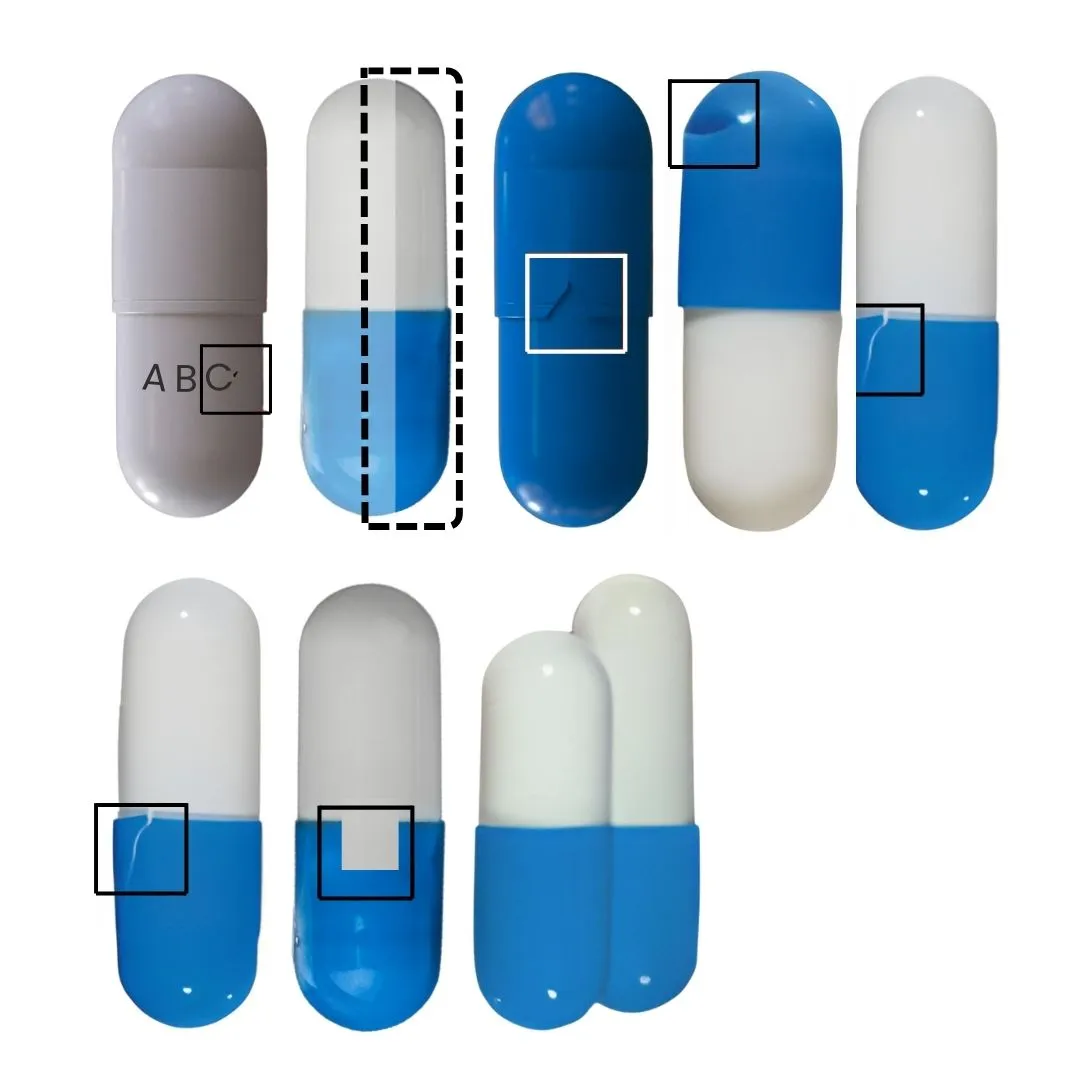
A View on the Most Popular and COMMON HARD GEL CAPSULE DEFECTS and Its Reasons. In the world of p...
Read More
25 compelling reasons to use ACCURA PHARMAQUIP’s automatic tablet and capsule inspection ma...
Read More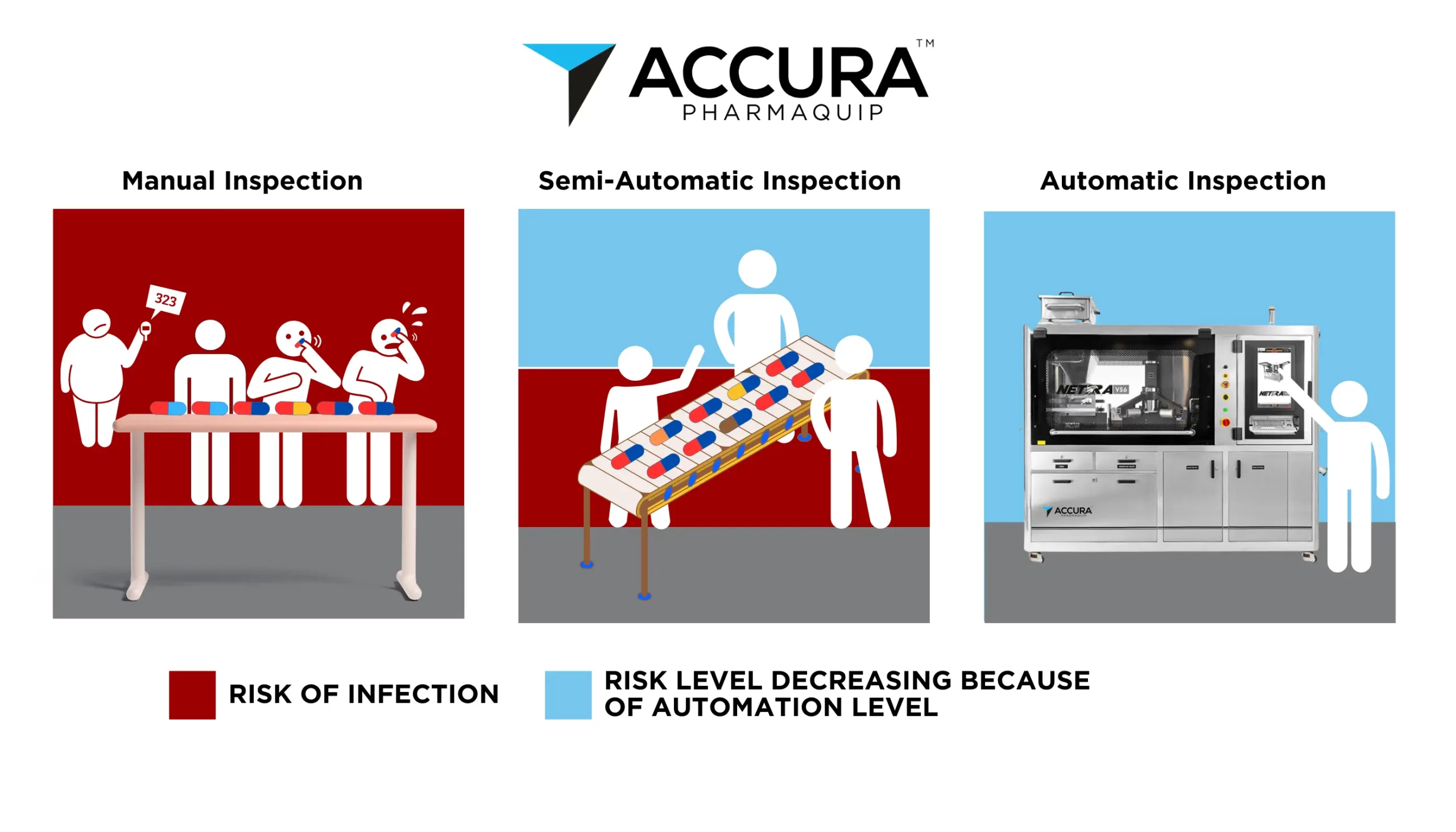
Amid the COVID-19 pandemic and other potential global health crises, the pharmaceutical industry ...
Read More
Accura Pharmaquip, a leading provider of tablet and capsule inspection technology, has been revol...
Read More
Why is 21 CFR Part 211 so crucial for the pharma industry? In the pharmaceutical industry, ensuri...
Read More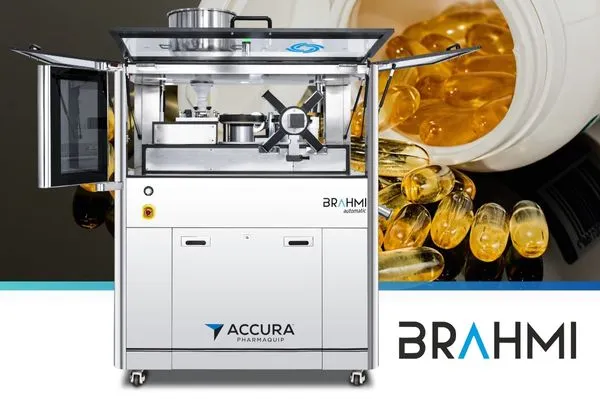
In today’s fast-paced pharmaceutical industry, quality control is of utmost importance. The...
Read More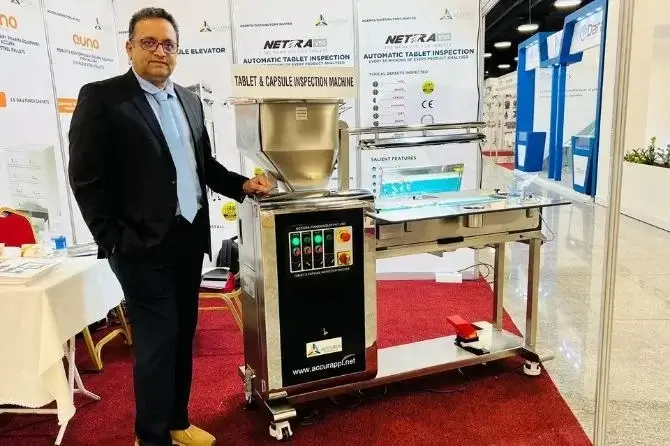
Thanks for visiting our booth and for showing your interest. We were excited to present at ARAB P...
Read More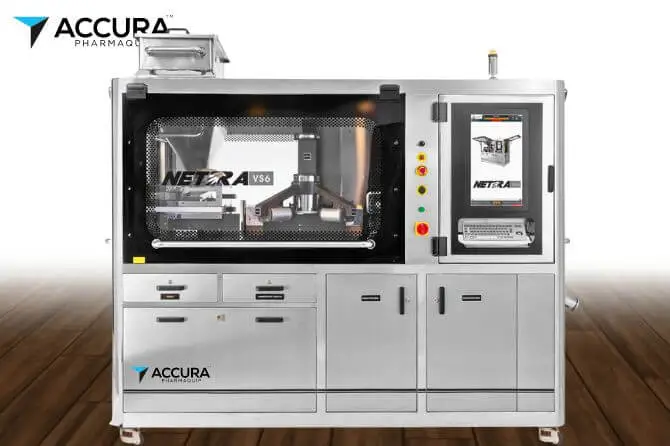
NETRA VS6 is the solution for automatic tablet and capsule inspection in the pharma industry. Our...
Read More
Accura Pharmaquip understands the critical importance of quality control in the pharmaceutical an...
Read More
 Apr 28, 2026