

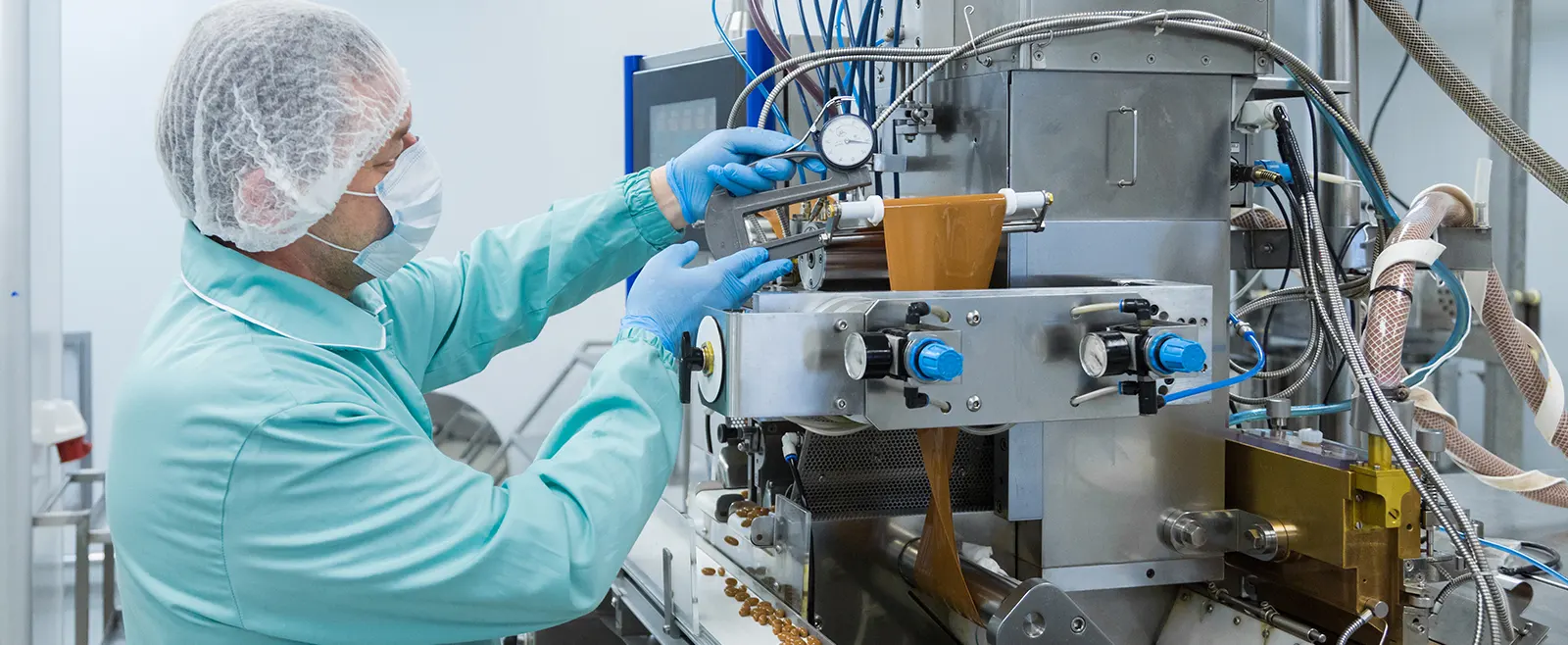
Liquid drug products require very high levels of quality and precision. Microscopic contamination, incorrect fill volume, or container flaws all pose significant risks to patients’ safety and regulatory compliance for drug manufacturers. The Liquid Dosage Inspection Machine is the most important component in the manufacturing process to ensure that liquid medications exiting the production line meet safety standards as well as be free of defects and be filled accurately.
The Pharmaceutical Industry has made a rapid transition from manual inspections based on a visual check to automated systems using cameras to inspect product. By doing so, manufacturers can achieve greater accuracy, consistency, and productivity. In this guide we will explain what a Liquid Dosage Inspection Machine is, how it operates, its key components, its advantages, its uses, and future trends, helping manufacturers with their decision-making related to inspection.
A liquid drug testing inspection machine is a high-tech quality control (QC) device which is specifically developed to perform visual inspections on liquid medications to detect product defects, contamination and dosages. The machine’s main objective is to assure all of its tested liquid medication products meet strict regulatory standards for quality, prior to being available to patients.
Liquid drug testing inspection machines are used for testing liquid drugs such as injectable solutions, syrups, ophthalmic solutions, vaccine solutions, and biologic products. These machines determine if their containers are free from contaminants, have been properly filled, properly closed and visually satisfactory.
The Liquid Dosage Inspection Machine will test a variety of liquid drug packaging types, including Ampoule containers, Vial containers, Pre-Filled Syringe containers, Eye-Drop containers, Oral Liquid containers and other types of packaging systems that may be utilized by pharmaceutical manufacturers to package liquid drugs.
Liquid dosage inspection is a critical step in pharmaceutical quality assurance. It prevents particulate contamination, detects glass or plastic defects, and ensures dosage uniformity across batches. Even minor defects can pose serious health risks, particularly for injectable and ophthalmic products.
Automated inspection systems help manufacturers comply with global regulatory standards such as US FDA, EU GMP, WHO guidelines, and 21 CFR Part 11. By detecting defects early, they reduce costly product recalls, improve patient safety, and enhance overall manufacturing reliability, especially in high-volume liquid production environments.
In comparison to older machines, the modern liquid dosing inspection system is capable of testing a large number of types of packaging that are commonly found in the pharmaceutical industry such as:
The ability of these units to test a multitude of different products allows them to be placed in facilities where many different products are manufactured.
Handheld lighting and human operator visual inspection is often used in manual inspection machines. These types of machines are usually limited to very low volume/production runs (small batch/pilot) and are susceptible to human error, as well as human fatigue.
These semi-automatic machine types assist with container management and provide an operator who visually inspects containers for defects. This type of machine is commonly used for medium production volume applications; however, a significant amount of human judgment is still required for defect detection.
Automated cameras are used in automatic liquid dosage inspection machines to inspect liquid-filled containers for defects at high speeds. The machines can be designed to be fully automatic, producing accurate and repeatable results with minimal human involvement. They are most effective when producing high volumes of products for pharmaceutical applications.
Machines utilizing advanced Artificial Intelligence (AI), such as deep learning technology, learn from product defects over time and are capable of classifying product defects, reducing false rejects, and improving ability to handle complex product behaviours.
Inspection is an ordered sequence of steps that guarantee that each of the containers will be thoroughly inspected in order to ensure that they meet specifications.
Containers are placed on the machine by means of conveyor belts or rotary feeders. Spacing between the containers and their alignment is carefully monitored so as to maintain steady inspection conditions.
Each container is rotated or subjected to liquid agitation at very high speeds to produce turbulent flow. Turbulence produces sufficient flow to make particulate material observable; additionally, this method also differentiates between bubble formation and particulate matter that may have been introduced during the filling operation. The agitation methods applied to injectable products differ from those applied to syrupy products, which differ from the agitation methods applied to thick, viscous liquids.
Several lighting options are available including:
High speed cameras capture many pictures of the product from several directions with optical zoom capability and multi-frame capture to assure detection of defects in the product that could be small enough to be missed by one camera shot.
AI software is used to evaluate the images taken of bottles. The AI evaluates these images to determine:
The classification of the container is determined by applying predetermined thresholds to the data collected during the inspection process. If the data collected during the inspection falls outside of the predetermined threshold it is classified as defective.
Containers that fail the classification test are rejected from continuing through the production line with a pneumatic or mechanical rejection system. Containers that pass the classification test will proceed to labelling and packaging.
The developing trends are cloud-based batch analytics, deep-learning defect classification, 3D vision and tomographic imaging, robotic handling systems, improved inspection of very thick liquid, and seamless integration into a completely automatic smart factory.
Liquid Dosage Inspection Systems are among the most important tools used by the modern Pharmaceutical Quality Assurance Industry. These systems combine the benefits of automated processes with advanced vision technology capabilities, as well as AI-driven analytical capabilities to provide a safe, compliant, and high-quality liquid medicine product for consumers.
In addition to improving efficiency, reducing cost...
Read More
Modern Pharmaceutical manufacturing needs to be pr...
Read More
Capsules have been an extremely common dosage form...
Read More
Today’s pharmaceutical manufacturing is far ...
Read More
In addition to improving efficiency, reducing costs, and improving productivity, efficient...
Read More
Modern Pharmaceutical manufacturing needs to be precise, compliant and economical. Minor b...
Read More
Capsules have been an extremely common dosage form for many years in the pharmaceutical ma...
Read More
Today’s pharmaceutical manufacturing is far more sophisticated than in years past, d...
Read More
In drug manufacturing, the focus on quality control is paramount. The presence of one defe...
Read More
Packing line conveyor are an excellent solution for eliminating inefficiencies created in ...
Read More
Automatic Inspection Systems are an integral part of today’s Pharmaceutical Manufact...
Read More
Regulatory compliance is mandatory in Solid Dosage Manufacturing as a means of protecting ...
Read More
Ensuring that all of the drug ampules produced for injection are complete and meet the required q...
Read More
Automated inspection of injectable vials, vaccine vials, biologic vials and many other high value...
Read More
In the glass packaging industry, maintaining high-quality standards is essential. Whether used fo...
Read More
The pharmaceutical industry requires tablets produced at its highest possible quality to protect ...
Read More
Quality assurance in the pharmaceutical industry is not simply a legal requirement; it is a moral...
Read More
Precision, efficiency and adherence to regulatory requirements are essential in the manufacture o...
Read More
Strip packing is the most preferred and high-volume method of packaging solid oral dose forms, in...
Read More
Pharmaceutical and nutraceutical manufacturers need to accurately count tablets and capsules to g...
Read More
Blister packaging plays a significant function in product safety, correct dosing, and consumer co...
Read More
Within pharma production, accuracy and productivity are not an option. Among the most critical bu...
Read More
Nutraceutical and pharmaceutical production quality assurance is a no-compromise necessity. Ensur...
Read More
Deblistering machines play a vital role in pharmaceutical production by ensuring that tablet and ...
Read More
With the speed of the world accelerating further, efficiency and hygiene are increasingly importa...
Read More
In the pharmaceutical industry, packaging is not just about presentation, it is a critical part o...
Read More
Have you ever wonder why automated inspection is no longer optional and how Automatic Tablet and ...
Read More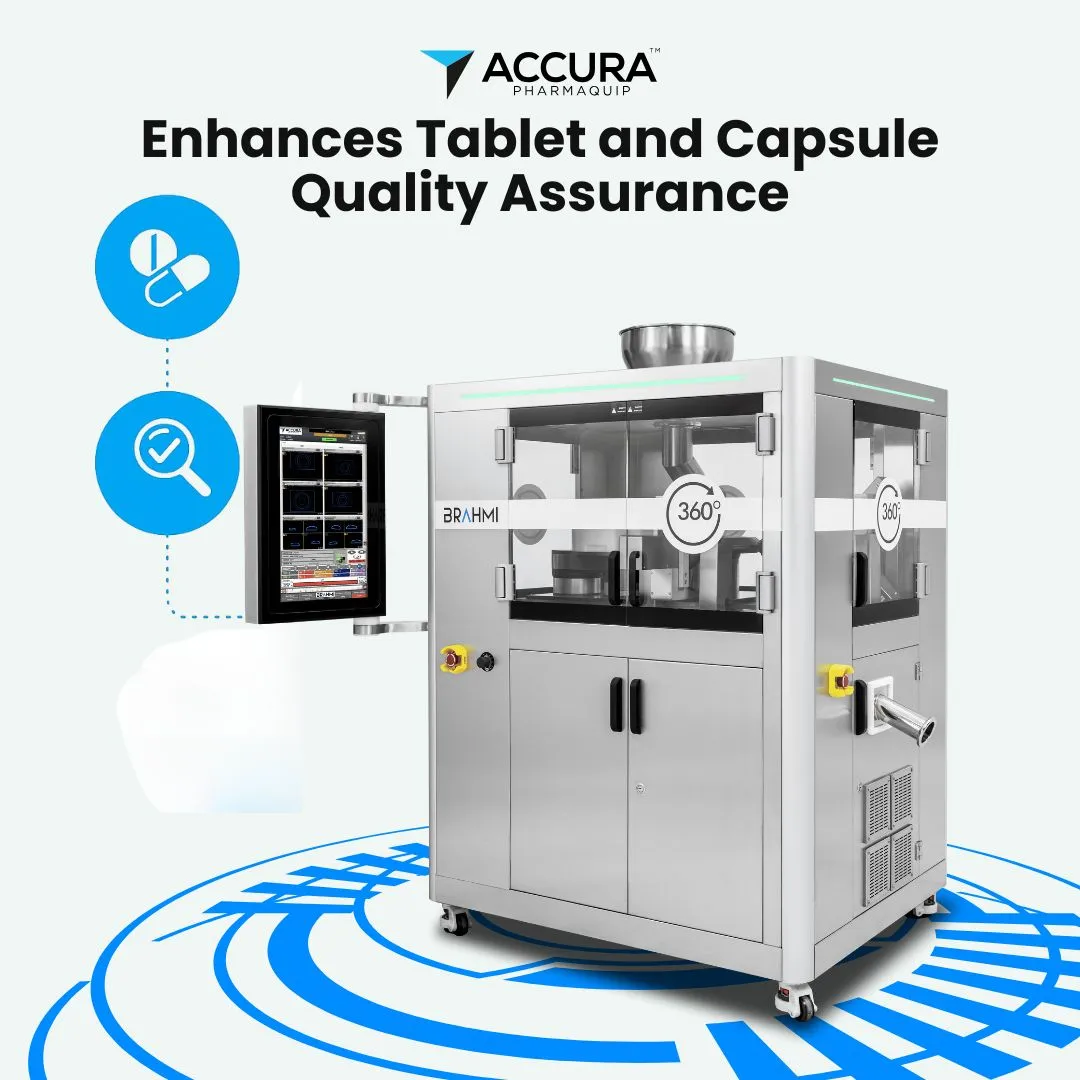
Quality control in pharmaceuticals isn’t just a step — it’s the heart of safe medication. Every p...
Read More
Enhancing Pharmaceutical Quality Control with Brahmi: The Best Tablet and Capsule Sorter. Common ...
Read More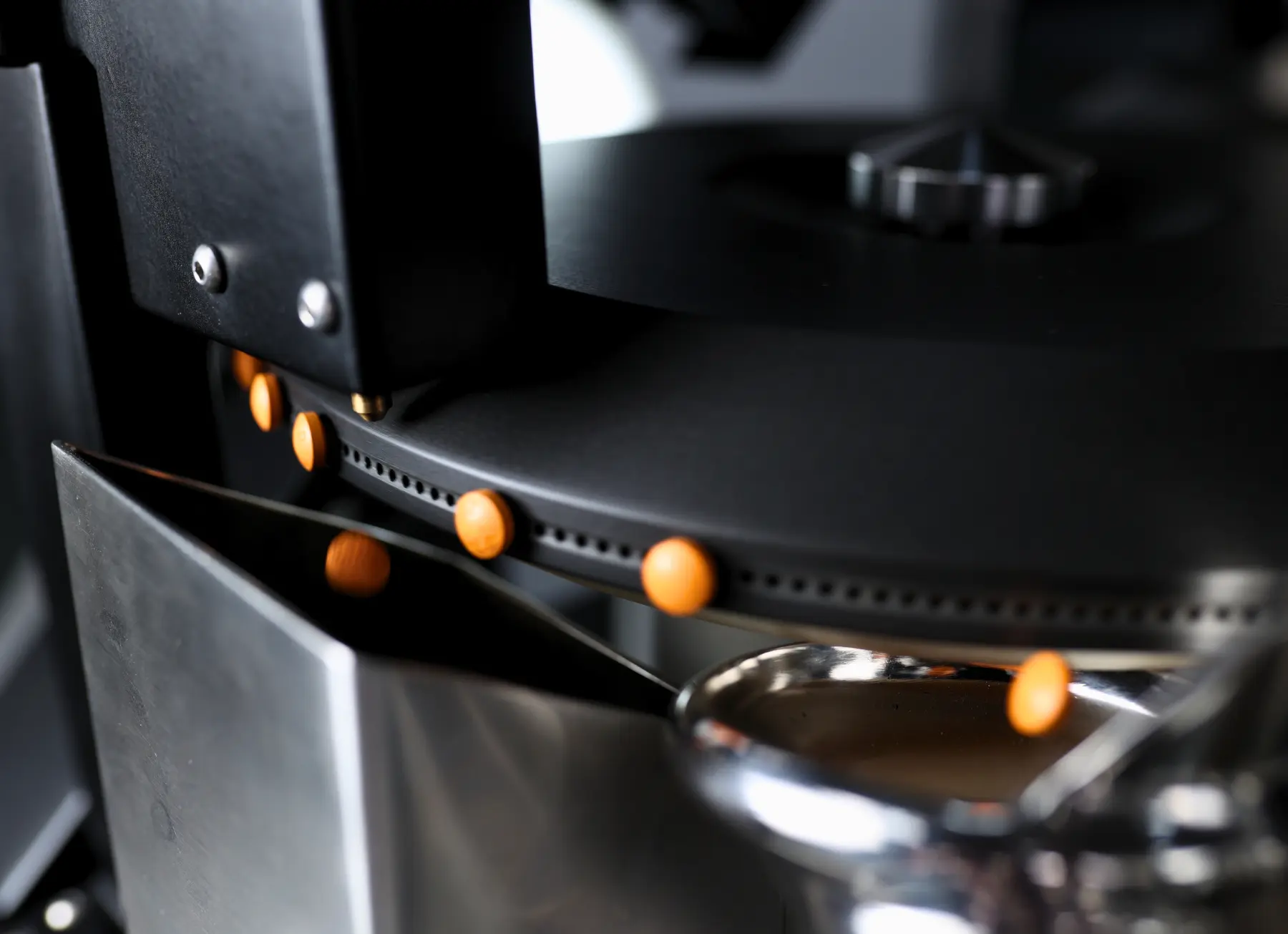
In pharmaceutical manufacturing, quality control is essential. The safety of medicines depends on...
Read More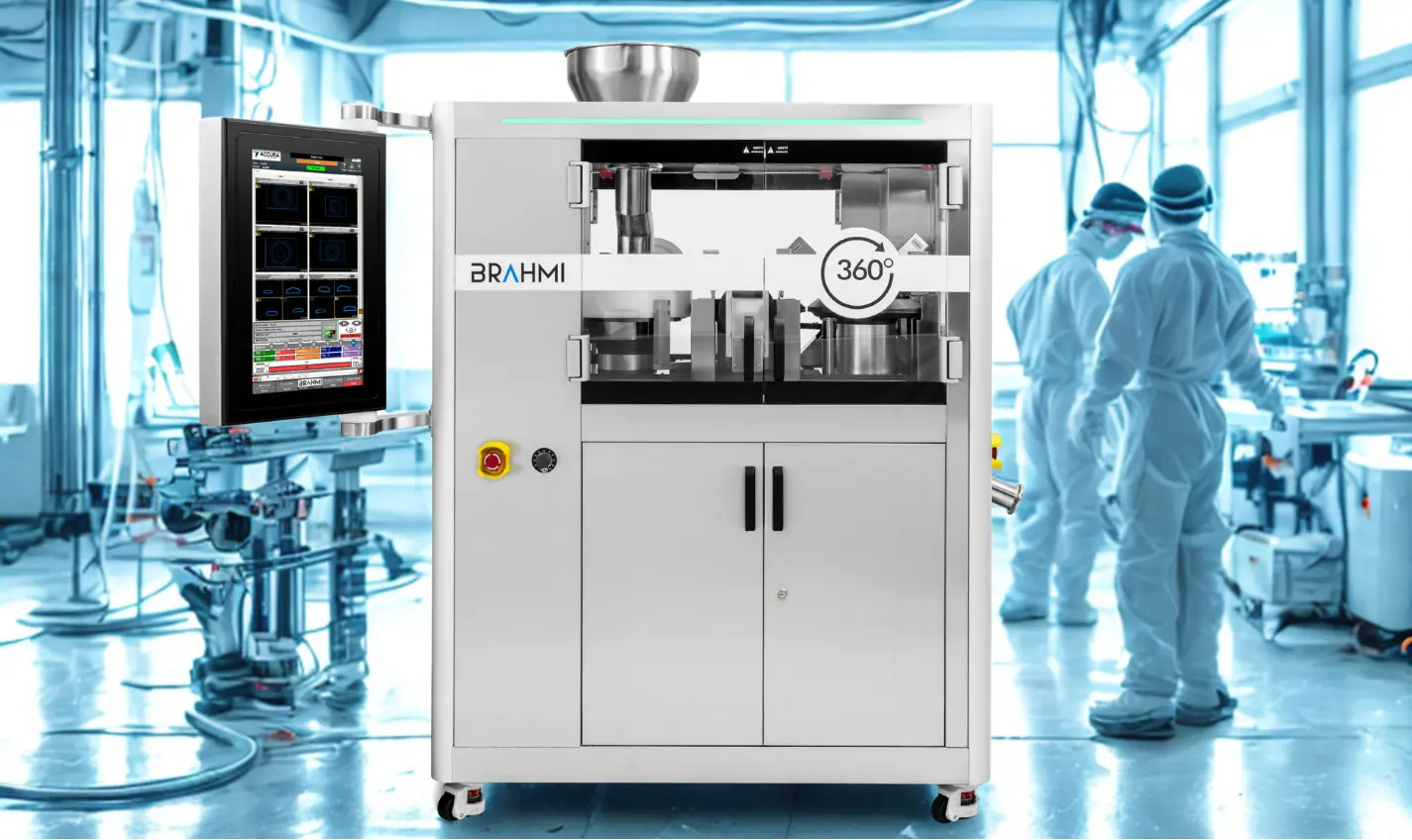
Suppose a scenario. A shipment of pills departs a pharma plant. They don’t know it, but som...
Read More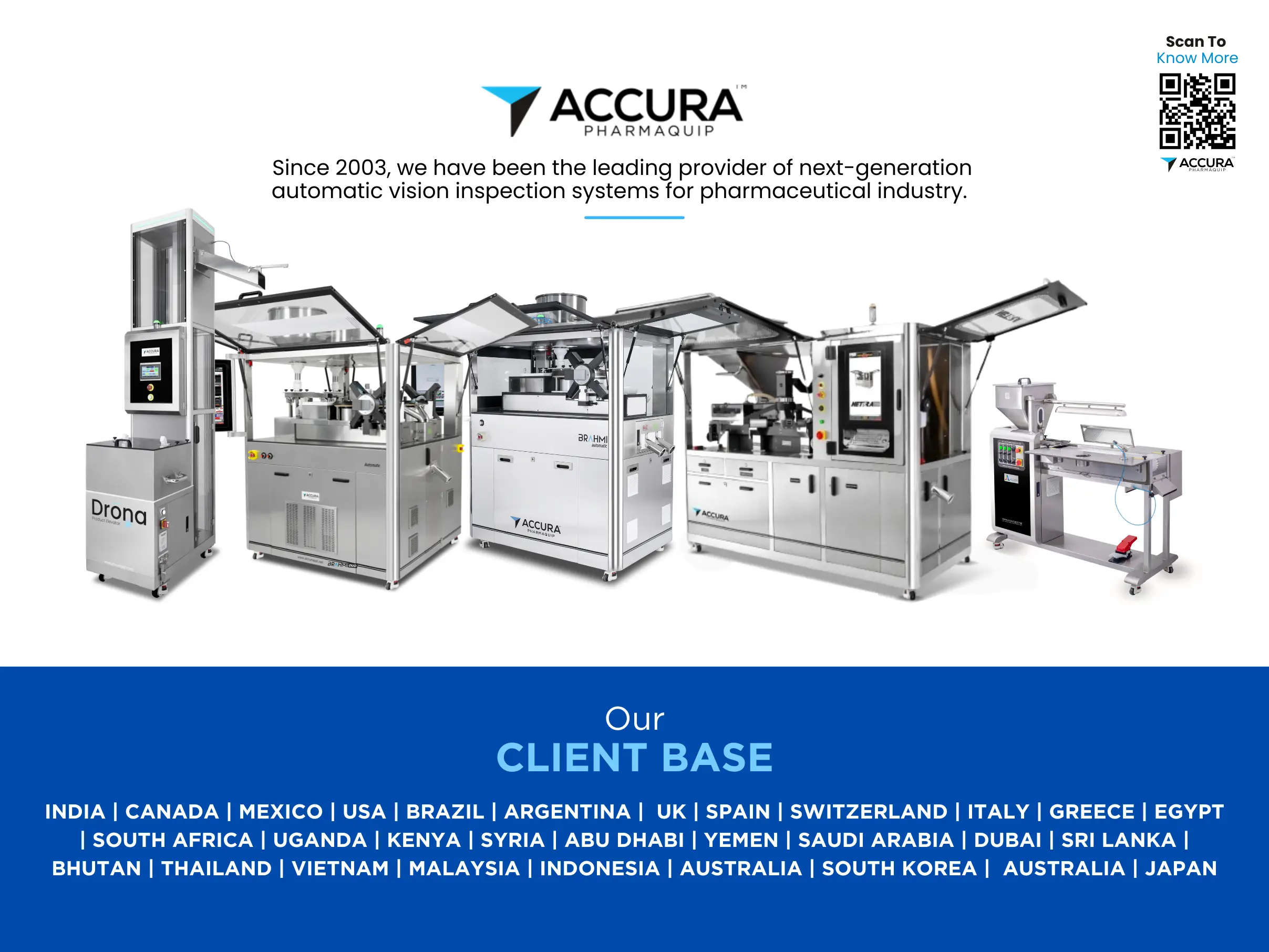
Accura Pharmaquip continues to lead the charge in pharmaceutical quality inspection technology wi...
Read More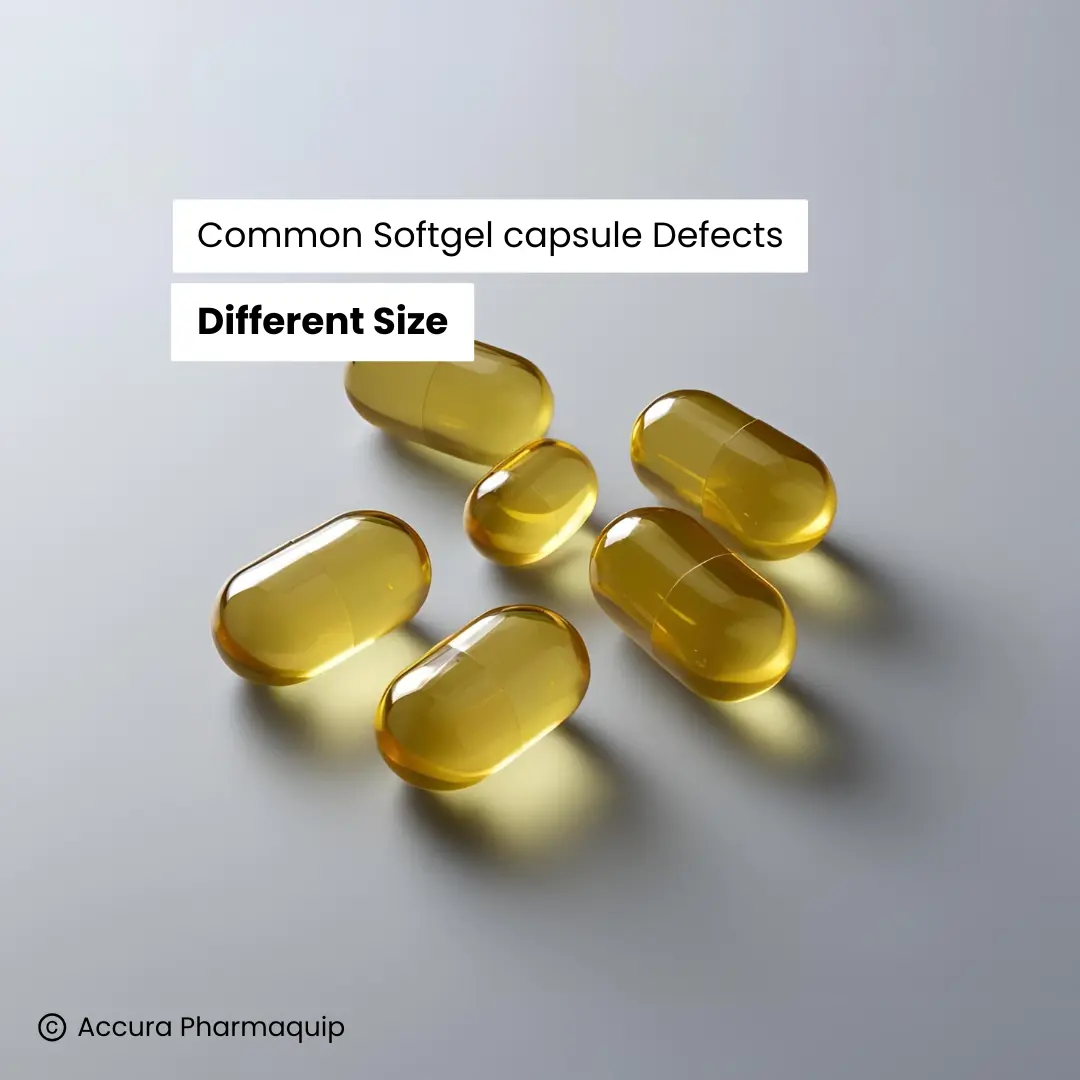
The Revolutionary Brahmi DUO (Automatic Tablet and Capsule Inspection Machine) working principle:...
Read More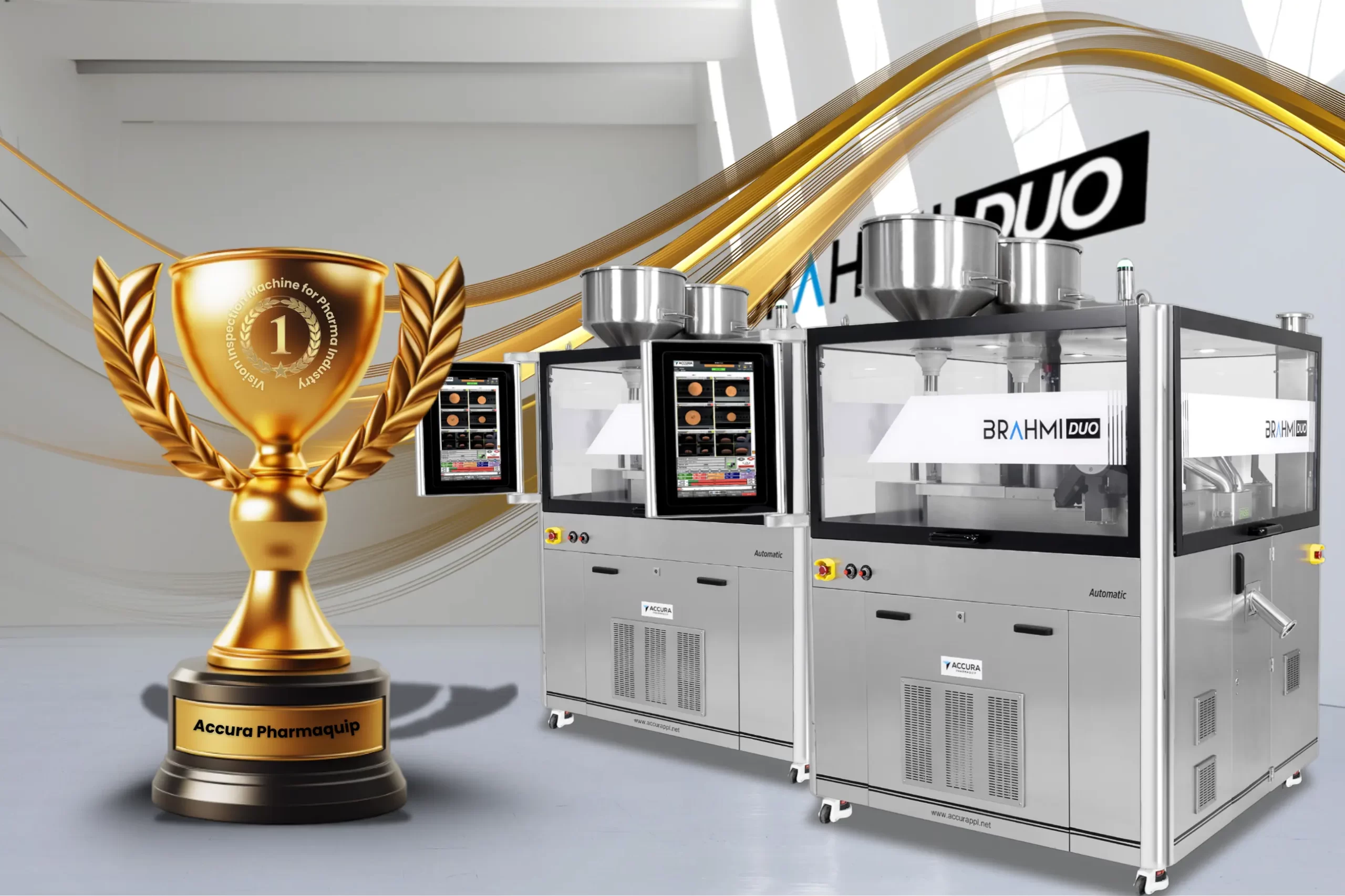
Brahmi DUO (Automatic tablet and capsule inspection machine): Revolutionizing Pharmaceutical Qual...
Read More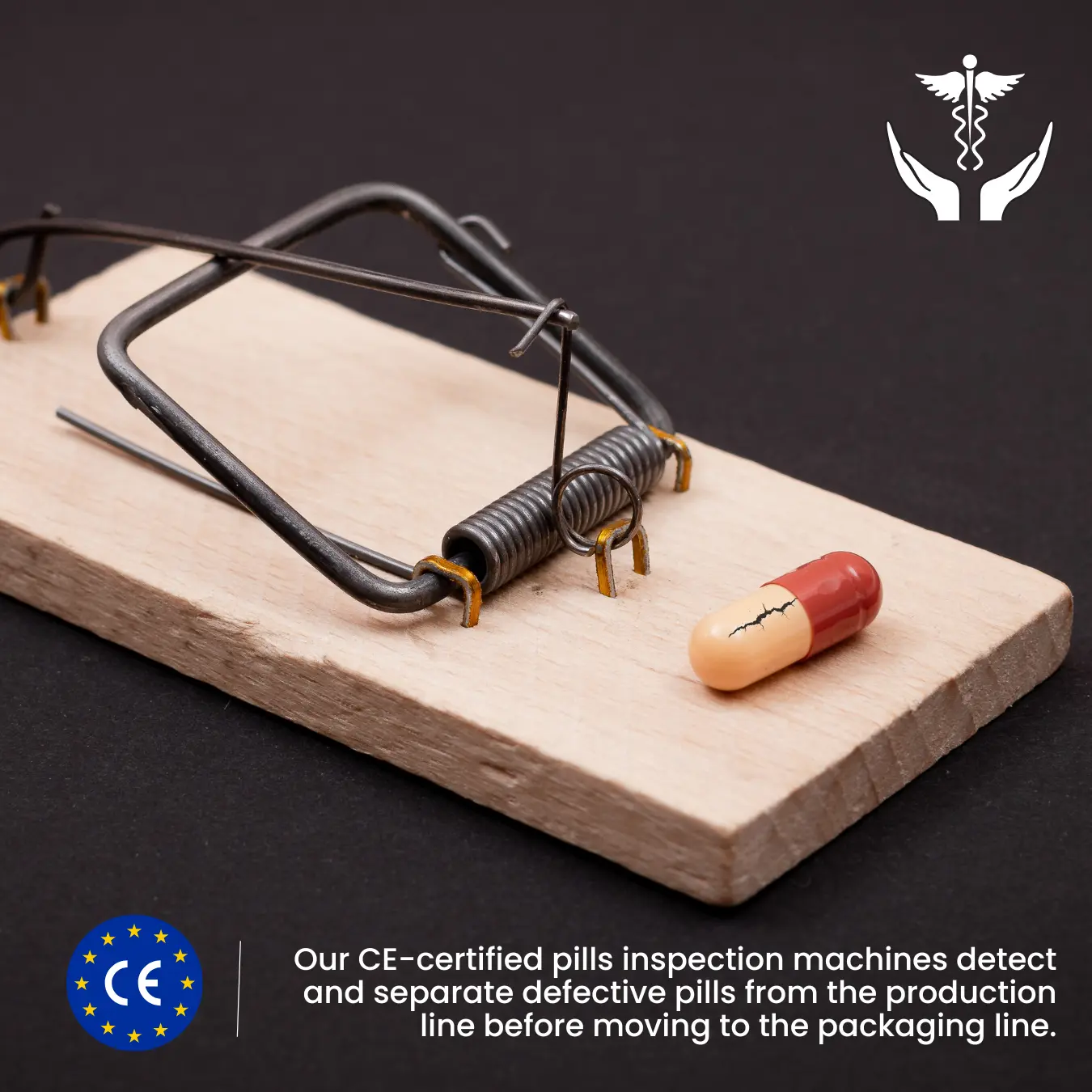
Protect Your Brand: By Detecting Defective Capsules in Production: In the ever-evolving pharmaceu...
Read More
Drona: The Innovative Product Elevator Transforming the Pharmaceutical Industry. In an era where ...
Read More
Pharmaceutical companies have a crucial responsibility to ensure that their products are of the h...
Read More
Why is quality assurance critical in pharmaceutical production? Why is it so crucial for pharmace...
Read More
In the fast-paced world of pharmaceutical manufacturing, quality control is paramount. Every tabl...
Read More
In the pharmaceutical industry, the inspection of pills is a crucial step in ensuring the quality...
Read More
Accura Pharmaquip is a leading provider of advanced vision inspection systems for the pharmaceuti...
Read More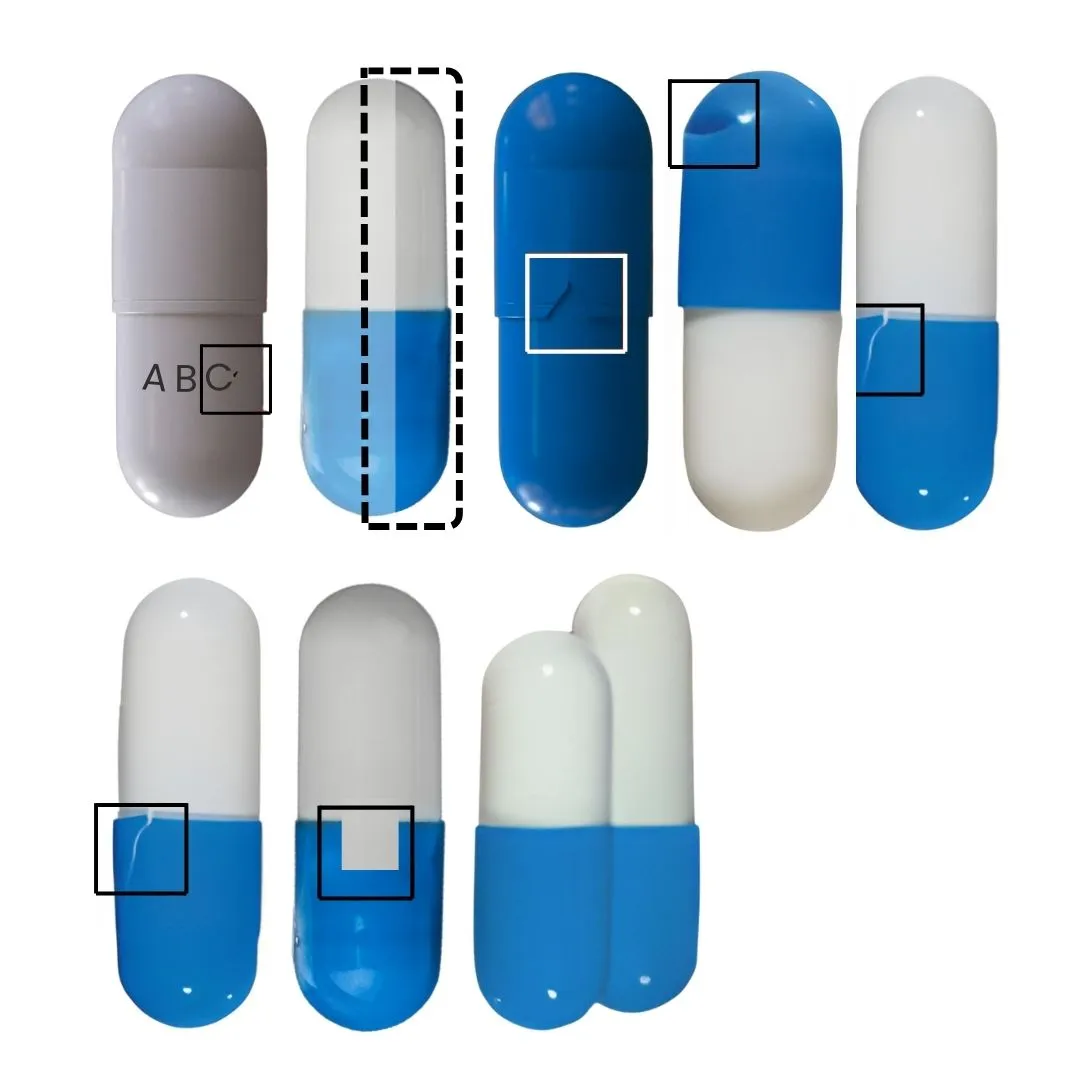
A View on the Most Popular and COMMON HARD GEL CAPSULE DEFECTS and Its Reasons. In the world of p...
Read More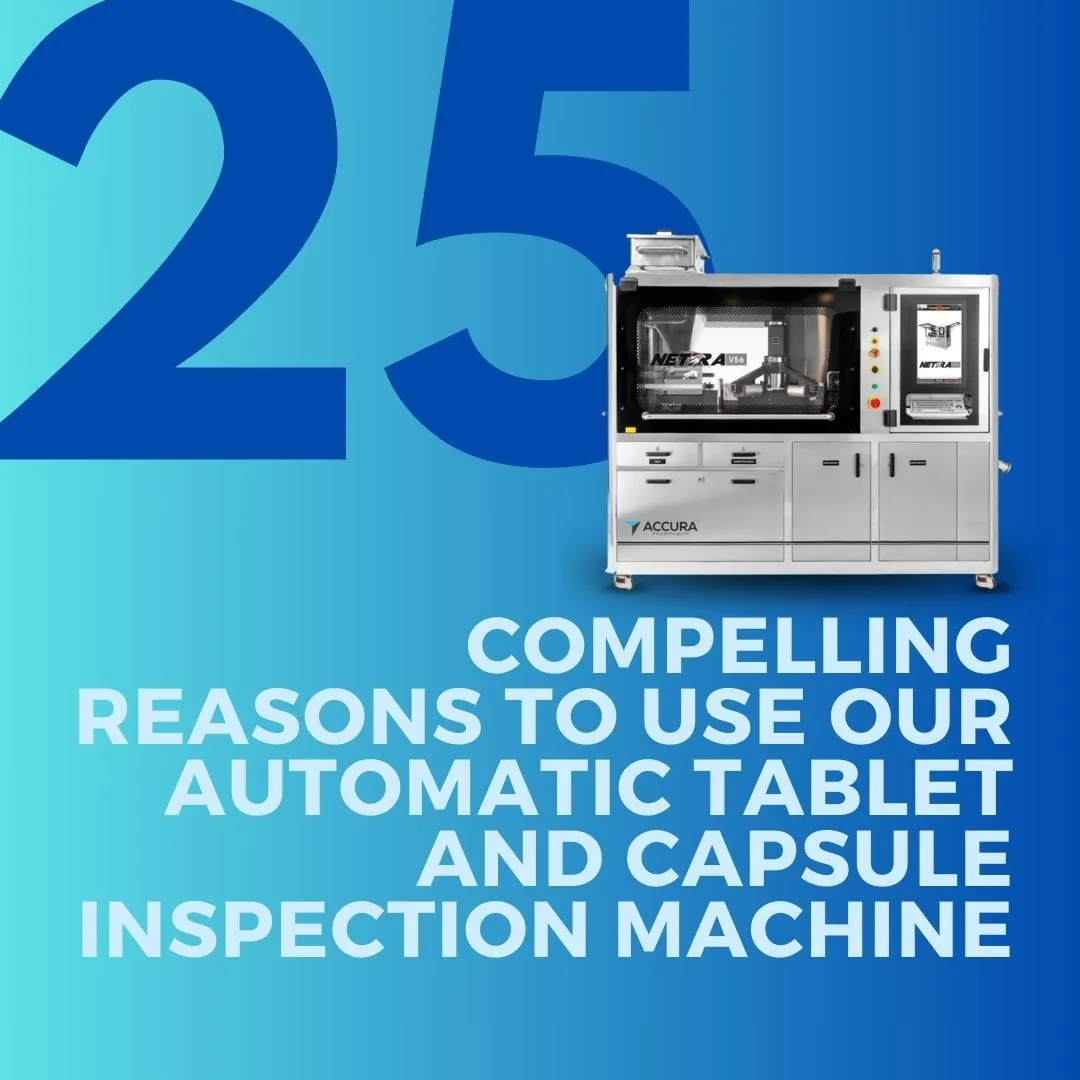
25 compelling reasons to use ACCURA PHARMAQUIP’s automatic tablet and capsule inspection ma...
Read More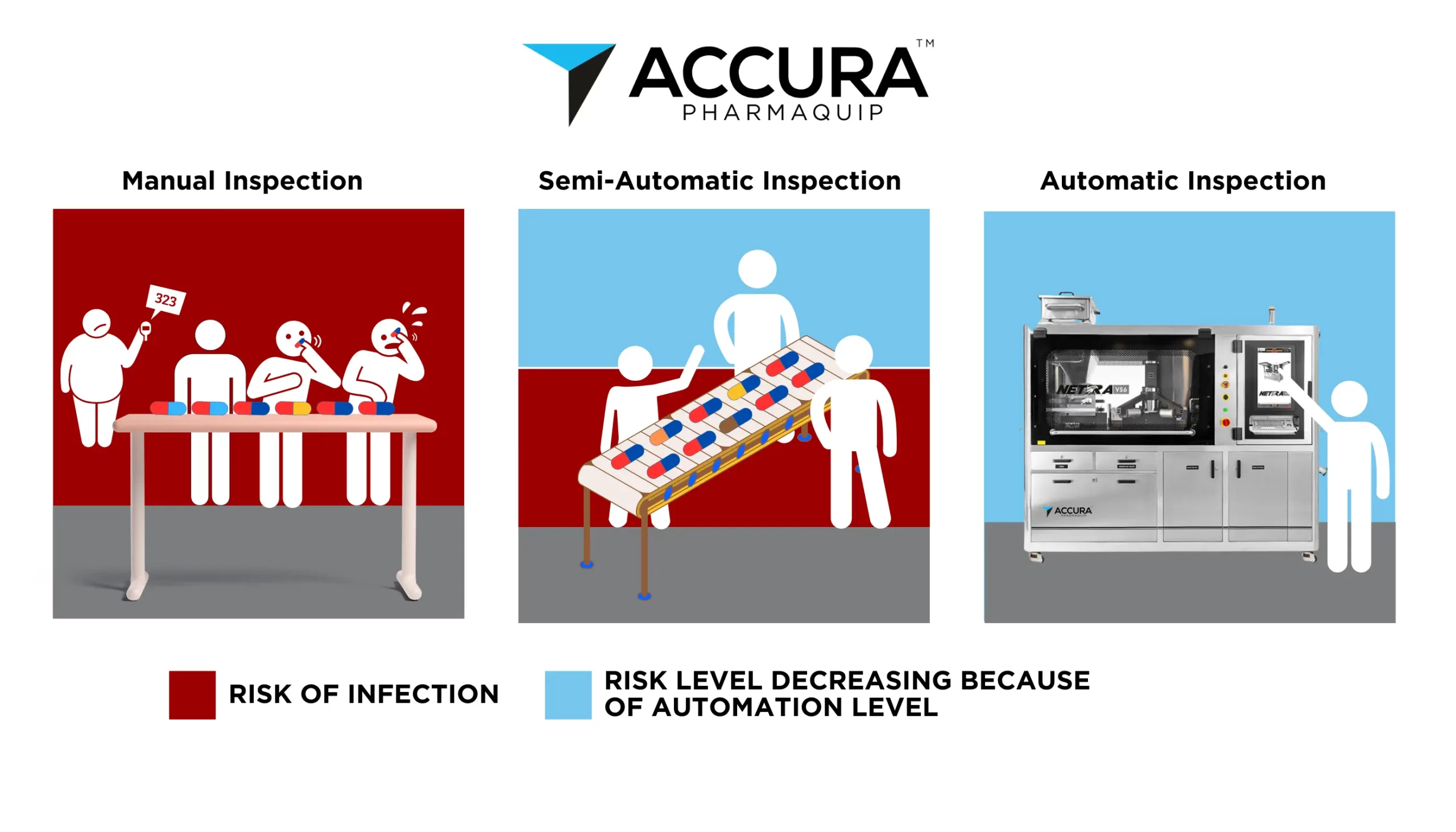
Amid the COVID-19 pandemic and other potential global health crises, the pharmaceutical industry ...
Read More
Accura Pharmaquip, a leading provider of tablet and capsule inspection technology, has been revol...
Read More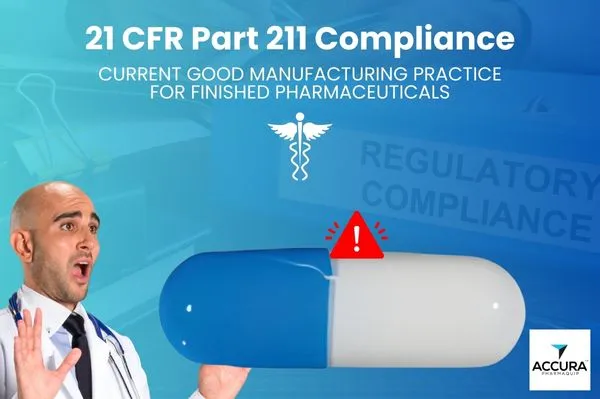
Why is 21 CFR Part 211 so crucial for the pharma industry? In the pharmaceutical industry, ensuri...
Read More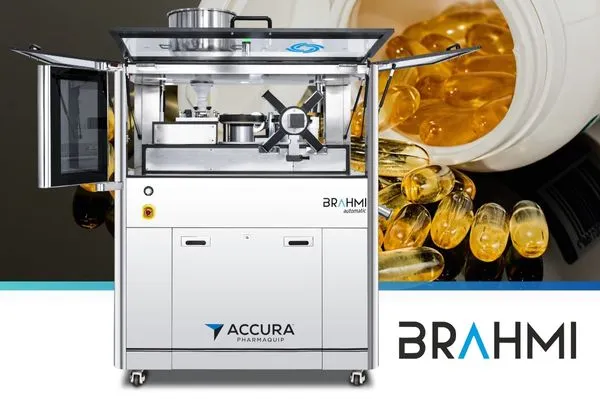
In today’s fast-paced pharmaceutical industry, quality control is of utmost importance. The...
Read More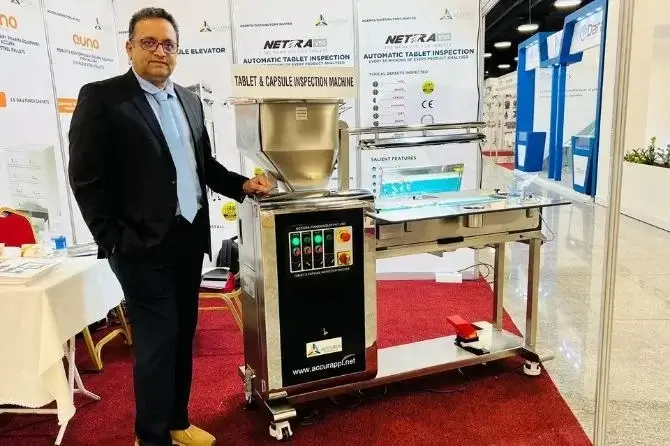
Thanks for visiting our booth and for showing your interest. We were excited to present at ARAB P...
Read More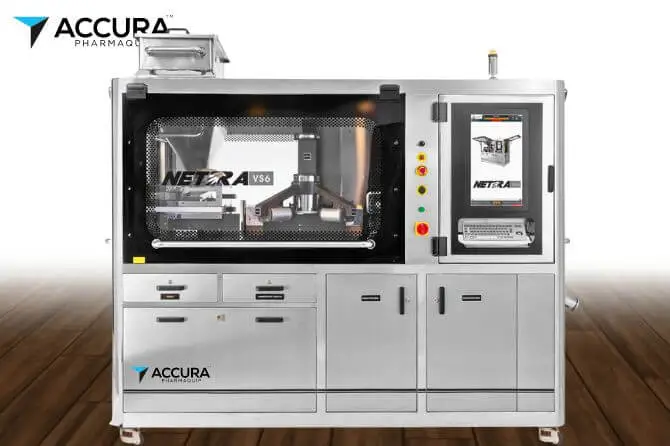
NETRA VS6 is the solution for automatic tablet and capsule inspection in the pharma industry. Our...
Read More
Accura Pharmaquip understands the critical importance of quality control in the pharmaceutical an...
Read More
 Dec 18, 2025